THE ADVENTURE COLLECTIVE® · Independent discovery and booking for outdoor travel

Board a day-long boat from Iquitos to see river dolphins and visit Monkey Island, a live primate rehabilitation project on the Amazon. Expect close wildlife viewing, uneven island trails, and real conservation-focused interpretation from local guides.
Board a day-long boat from Iquitos to see river dolphins and visit Monkey Island, a live primate rehabilitation project on the Amazon. Expect close wildlife viewing, uneven island trails, and real conservation-focused interpretation from local guides.
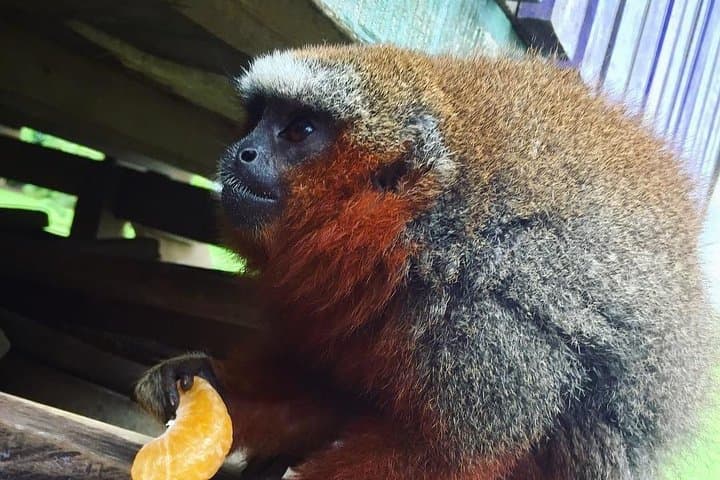
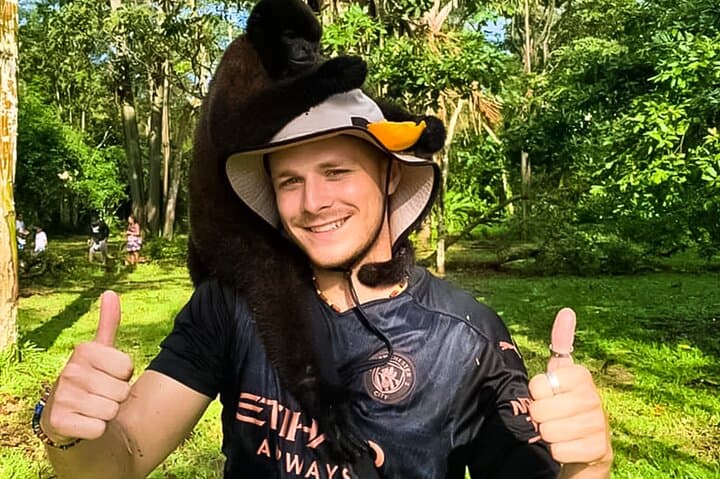
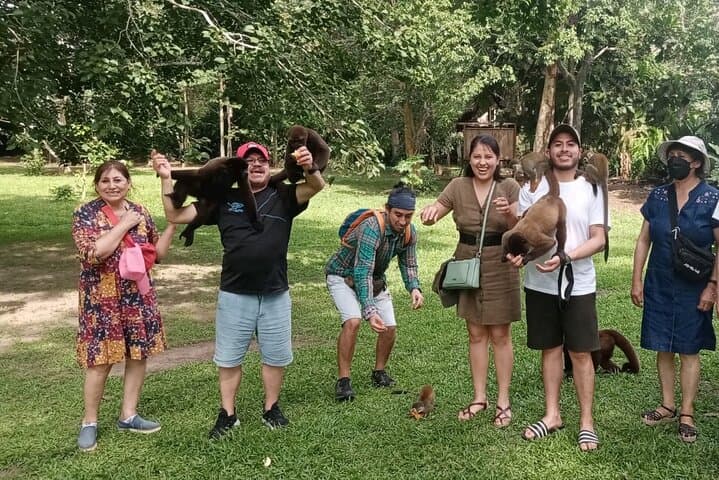
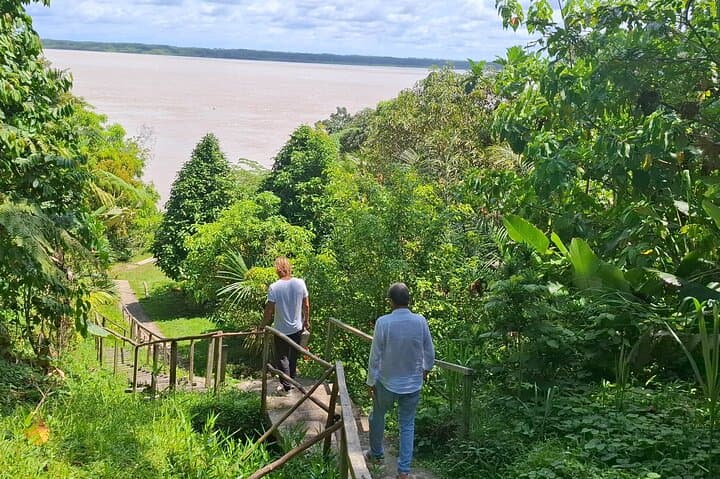
The Amazon widens as you push off from Iquitos, the hull cutting through coffee-colored water while humidity presses the air against your skin. Pink river dolphins surface like dark question marks, and a distant cry from the canopy announces primates on a small oxbow — Monkey Island — where rescued species are rehabilitated for release.
Verified experiences and guided adventures in the surrounding area.
Operated by Kelwin Peña Andrade · Iquitos, Loreto
The Amazon widens as you push off from Iquitos, the hull cutting through coffee-colored water while humidity presses the air against your skin. Pink river dolphins surface like dark question marks, and a distant cry from the canopy announces primates on a small oxbow — Monkey Island — where rescued species are rehabilitated for release.
This stretch of the Amazon sits in Peru’s Loreto region, shaped by millennia of sediment from the Andes and home to communities whose livelihoods have long been tied to river rhythms. Geologically recent river channels create islands and flooded forests; culturally, the waterways serve as highways, markets and medicine cabinets for indigenous groups. The Monkey Island project combines wildlife rescue with sustainable tourism: caretakers monitor primate health, rehabilitate juveniles confiscated from illegal trade, and prepare them for return to wild stands of remnant forest.
Expect a full-day boat excursion (about seven hours) with stops for wildlife viewing and a supervised island visit. Terrain on the island is uneven—short trails, muddy sections and simple boardwalks. Wildlife encounters are frequent but brief; guides will brief you on distance and touching rules to protect both animals and visitors. Bring reefers and waterproof storage: camera gear will get splashed, and river humidity can fog lenses. Hydration and insect protection are essential. The operator’s fitness and health warnings (no pregnant travelers, certain age limits, and people with severe spinal or heart problems) reflect real river logistics and boat access.
Plan mornings for dolphin activity and late afternoons for cooler light on the forest. Respect caretakers’ rules: the goal is the primates’ safe return to the wild, and responsible visitors help that mission.
moderate.
7 hours.
Moderate fitness—able to board small boats, walk short uneven trails, and tolerate heat and humidity.
The tour lasts about seven hours total, including river transfers, wildlife viewing stops and the supervised island visit.
Pickup details depend on booking choices; the operator typically offers pickup from central Iquitos points—confirm when booking.
No—caretakers prohibit touching or feeding to prevent stress and disease and to support successful rehabilitation for release.
Not recommended for very young children, people over 70, pregnant travelers, or those with serious spinal or cardiac conditions due to boat access and physical demands.
The Loreto region grew around river trade routes; Iquitos became a rubber boom hub in the late 19th century and remains a riverport where Amazonian conservation efforts now converge.
Rehabilitation projects like Monkey Island work to reverse illegal wildlife trade by rehabilitating and releasing primates; visitors are urged to follow strict viewing rules to reduce stress and disease risk.
Kelwin Peña Andrade operates guided outdoor trips and adventures with an emphasis on safety, stewardship, and memorable experiences.
The Amazon widens as you push off from Iquitos, the hull cutting through coffee-colored water while humidity presses the air against your skin. Pink river dolphins surface like dark question marks, and a distant cry from the canopy announces primates on a small oxbow — Monkey Island — where rescued species are rehabilitated for release.
The Amazon widens as you push off from Iquitos, the hull cutting through coffee-colored water while humidity presses the air against your skin. Pink river dolphins surface like dark question marks, and a distant cry from the canopy announces primates on a small oxbow — Monkey Island — where rescued species are rehabilitated for release.
This stretch of the Amazon sits in Peru’s Loreto region, shaped by millennia of sediment from the Andes and home to communities whose livelihoods have long been tied to river rhythms. Geologically recent river channels create islands and flooded forests; culturally, the waterways serve as highways, markets and medicine cabinets for indigenous groups. The Monkey Island project combines wildlife rescue with sustainable tourism: caretakers monitor primate health, rehabilitate juveniles confiscated from illegal trade, and prepare them for return to wild stands of remnant forest.
Expect a full-day boat excursion (about seven hours) with stops for wildlife viewing and a supervised island visit. Terrain on the island is uneven—short trails, muddy sections and simple boardwalks. Wildlife encounters are frequent but brief; guides will brief you on distance and touching rules to protect both animals and visitors. Bring reefers and waterproof storage: camera gear will get splashed, and river humidity can fog lenses. Hydration and insect protection are essential. The operator’s fitness and health warnings (no pregnant travelers, certain age limits, and people with severe spinal or heart problems) reflect real river logistics and boat access.
Plan mornings for dolphin activity and late afternoons for cooler light on the forest. Respect caretakers’ rules: the goal is the primates’ safe return to the wild, and responsible visitors help that mission.