THE ADVENTURE COLLECTIVE® · Independent discovery and booking for outdoor travel

Float away from Iquitos on a full-day Amazon tour to a primate rescue on Monkey Island. Observe native monkeys, visit a riverside community, and finish the day watching the Amazon sunset while learning about local conservation.
Float away from Iquitos on a full-day Amazon tour to a primate rescue on Monkey Island. Observe native monkeys, visit a riverside community, and finish the day watching the Amazon sunset while learning about local conservation.
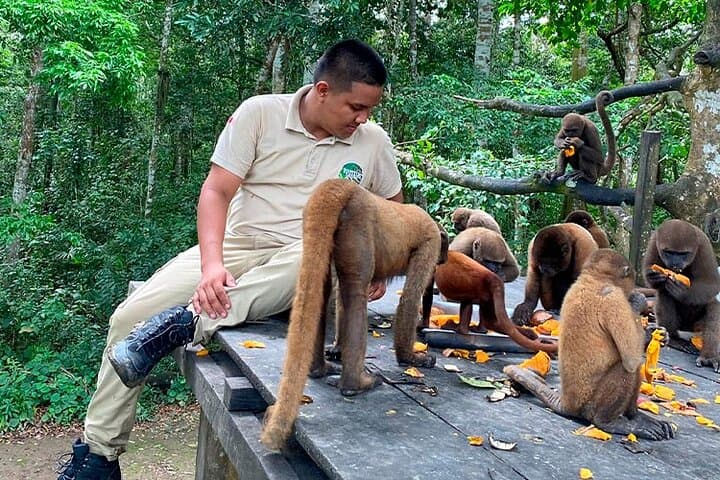
The boat slips away from Iquitos at first light and the Amazon takes the lead: a wide, slow current that nudges mangroves and river islands closer as the city falls behind. By mid-morning you’re standing on a wooden dock, humidity hanging like a warm blanket, listening to the island’s primates call across the canopy while a guide points out distinct behaviors—cheek-pouch activity, quick leaps, an occasional tussle.
Verified experiences and guided adventures in the surrounding area.
Operated by Iquitos Experience Tours · Iquitos, Loreto
The boat slips away from Iquitos at first light and the Amazon takes the lead: a wide, slow current that nudges mangroves and river islands closer as the city falls behind. By mid-morning you’re standing on a wooden dock, humidity hanging like a warm blanket, listening to the island’s primates call across the canopy while a guide points out distinct behaviors—cheek-pouch activity, quick leaps, an occasional tussle.
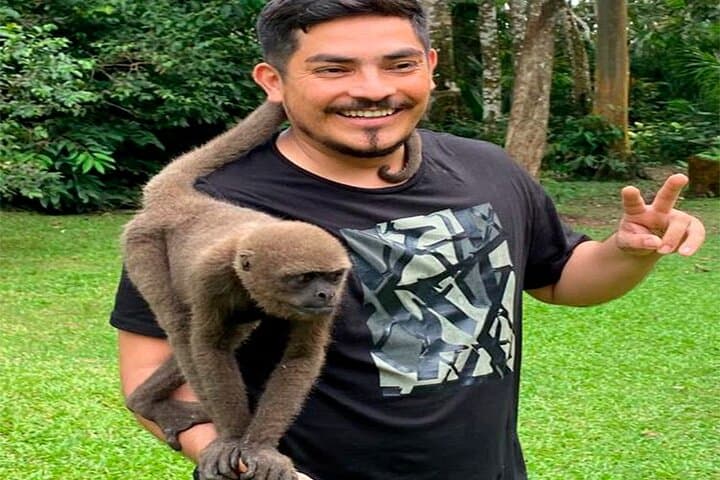
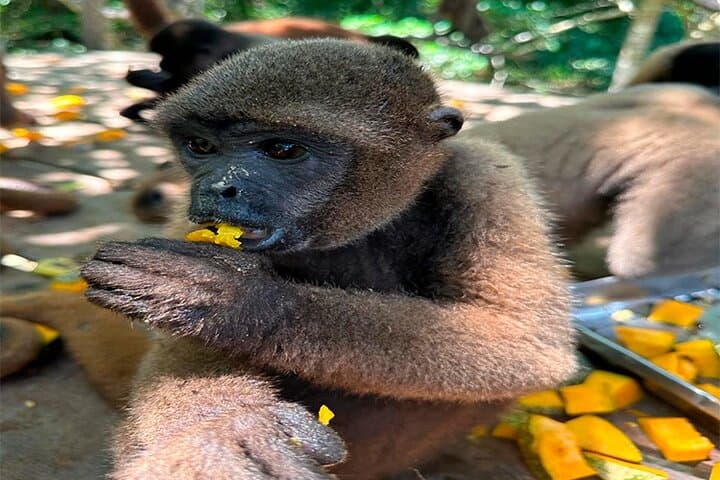
This day trip traces the human and natural history of the region: the Amazon’s braided geology of oxbow lakes and sediment-rich floodplains, the legacy of rubber-era towns upriver, and communities that still rely on seasonal pulses of the river. The rescue center on Monkey Island focuses on rehabilitating native primates and educating visitors about species protection; visits support local conservation and provide a close, respectful look at biodiversity in its rainforest edge habitat.
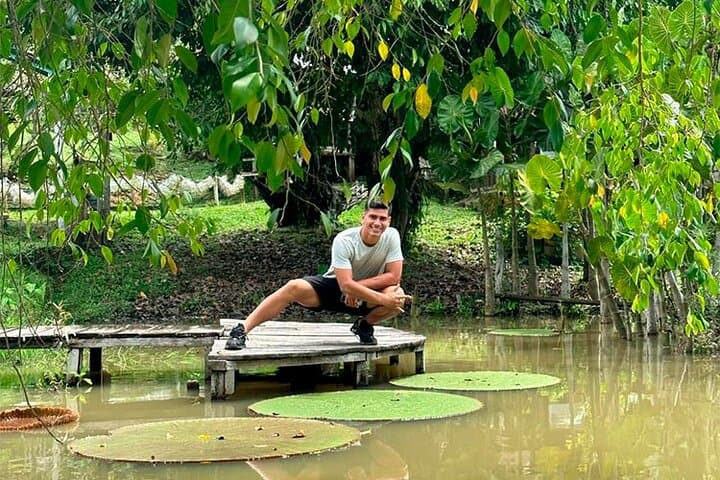
Expect easy walking on compacted paths and short wooden bridges, interspersed with stretches of boat transit. Guides introduce cultural context—how rivers shape livelihoods, local uses of medicinal plants, and the rhythm of market days on Iquitos’s waterfront.
Practical notes: the tour departs around 8:00 a.m., runs about seven hours, and includes lunch and entrance fees. Bring insect repellent, sun protection, a light rain layer, and steady, closed-toe shoes for wet docks. Binoculars and a camera with a zoom lens increase wildlife viewing odds. Keep distance from animals, follow guide instructions, and carry cash for small purchases in riverside communities. Time your trip in the dryer months if you prefer fewer mosquitoes and more predictable boat conditions.
easy.
7 hours.
Suitable for most fitness levels; requires getting on/off boats and short walks on uneven, sometimes muddy trails.
The tour runs about 7 hours and typically departs around 8:00 a.m.; exact pickup times depend on your booking and chosen pickup point.
Yes—this tour is family-friendly and notes stroller accessibility, though small children must be supervised on docks and during boat transfers.
You’ll reliably see monkeys at the rescue center and a variety of birds; river dolphins are possible but not guaranteed—sightings vary with season and water conditions.
Yes—lunch, entrance tickets, and a guide are included, as well as taxes; bring cash for souvenirs and gratuities.
Iquitos grew as a river port linked to the rubber boom in the late 19th century; the surrounding floodplain has supported indigenous communities for millennia.
The rescue center and community visits emphasize sustainable tourism—visitors are encouraged to avoid feeding wildlife, minimize waste, and support local conservation initiatives.
Iquitos Experience Tours operates guided outdoor trips and adventures with an emphasis on safety, stewardship, and memorable experiences.
The boat slips away from Iquitos at first light and the Amazon takes the lead: a wide, slow current that nudges mangroves and river islands closer as the city falls behind. By mid-morning you’re standing on a wooden dock, humidity hanging like a warm blanket, listening to the island’s primates call across the canopy while a guide points out distinct behaviors—cheek-pouch activity, quick leaps, an occasional tussle.
The boat slips away from Iquitos at first light and the Amazon takes the lead: a wide, slow current that nudges mangroves and river islands closer as the city falls behind. By mid-morning you’re standing on a wooden dock, humidity hanging like a warm blanket, listening to the island’s primates call across the canopy while a guide points out distinct behaviors—cheek-pouch activity, quick leaps, an occasional tussle.
This day trip traces the human and natural history of the region: the Amazon’s braided geology of oxbow lakes and sediment-rich floodplains, the legacy of rubber-era towns upriver, and communities that still rely on seasonal pulses of the river. The rescue center on Monkey Island focuses on rehabilitating native primates and educating visitors about species protection; visits support local conservation and provide a close, respectful look at biodiversity in its rainforest edge habitat.
Expect easy walking on compacted paths and short wooden bridges, interspersed with stretches of boat transit. Guides introduce cultural context—how rivers shape livelihoods, local uses of medicinal plants, and the rhythm of market days on Iquitos’s waterfront.
Practical notes: the tour departs around 8:00 a.m., runs about seven hours, and includes lunch and entrance fees. Bring insect repellent, sun protection, a light rain layer, and steady, closed-toe shoes for wet docks. Binoculars and a camera with a zoom lens increase wildlife viewing odds. Keep distance from animals, follow guide instructions, and carry cash for small purchases in riverside communities. Time your trip in the dryer months if you prefer fewer mosquitoes and more predictable boat conditions.