THE ADVENTURE COLLECTIVE® · Independent discovery and booking for outdoor travel

Spend a half-day out of Jaco watching white-faced capuchins, scanning the Rio Grande de Tárcoles for crocodiles, and relaxing at a quiet beach where sloths make slow appearances. This accessible wildlife loop mixes short walks, stunning viewpoints, and an optional boat tour for closer river viewing.
Spend a half-day out of Jaco watching white-faced capuchins, scanning the Rio Grande de Tárcoles for crocodiles, and relaxing at a quiet beach where sloths make slow appearances. This accessible wildlife loop mixes short walks, stunning viewpoints, and an optional boat tour for closer river viewing.
You step out of the van and the warm, humid air of the Central Pacific greets you—green hills pressing close to the ocean, the distant roar of surf, and a chorus of birds that seem to time their calls to each stop. The morning moves in chapters: a short walk through trees to watch white-faced capuchins, a view over the Rio Grande de Tárcoles for crocodile spotting, then a quiet coastside stretch where sloths hang slow and steady above a hidden beach.
Verified experiences and guided adventures in the surrounding area.
Operated by Geriold's Experiences · Jaco, Puntarenas
You step out of the van and the warm, humid air of the Central Pacific greets you—green hills pressing close to the ocean, the distant roar of surf, and a chorus of birds that seem to time their calls to each stop. The morning moves in chapters: a short walk through trees to watch white-faced capuchins, a view over the Rio Grande de Tárcoles for crocodile spotting, then a quiet coastside stretch where sloths hang slow and steady above a hidden beach.
This route threads recent natural-history with modern conservation. The capuchins here are a New World primate familiar to biologists for complex social systems; the Tarcoles River runs through ancient coastal alluvium carved from volcanic highlands, concentrating fish and attracting large American crocodiles. Local communities around Jaco evolved from fishing and small-scale agriculture to serving wildlife tourism, and many guides now combine cultural interpretation with natural history.
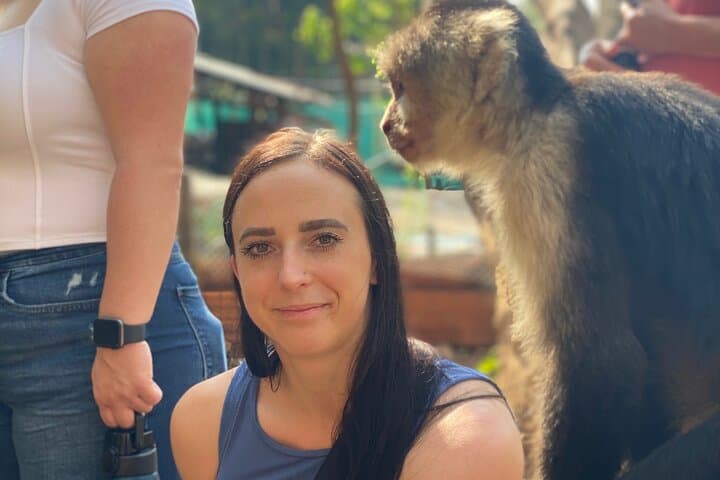
Expect an accessible, family-friendly pace: short walks, bridge viewpoints, and an optional 1 hour 40 minute boat trip (extra fee) for closer looks at crocodiles and river birds. Staff enforce no-touch and no-feed rules—these keep wild animals wild. Practical planning: wear breathable shoes that handle sand and mud, bring binoculars, sun protection, and water; a light rain jacket is wise in the wet season. The tour lasts roughly 3–4 hours including transfers; photography is straightforward but be prepared for sudden shade and bright glare near water.
For first-timers, go early for cooler air and more active wildlife; respect posted signs and your guide’s instructions, and you’ll leave with sharp photos and a clear sense of the Central Pacific’s living coastline.
easy.
3–4 hours.
Suitable for most fitness levels; involves short, low-gradient walks and brief standing views.
No—guides prohibit touching and feeding to avoid stressing animals and changing natural behaviors.
The boat tour is optional and typically costs an extra fee (about $43); it lasts roughly 1 hour 40 minutes and includes a naturalist guide.
Many components are accessible: transportation and some vantage points are wheelchair friendly, but boardwalks or beach access may be limited—check with the operator for specific needs.
Lunch, snacks, and some drinks are included in the tour; additional purchases at souvenir stops may be available.
This stretch of the Central Pacific grew around coastal waterways used for fishing and transportation; tourism expanded as road access improved in the late 20th century.
Operators emphasize non-contact viewing and no-feeding rules to limit human-wildlife conflict; staying on paths and following guide instructions helps reduce habitat disturbance.
Geriold's Experiences operates guided outdoor trips and adventures with an emphasis on safety, stewardship, and memorable experiences.
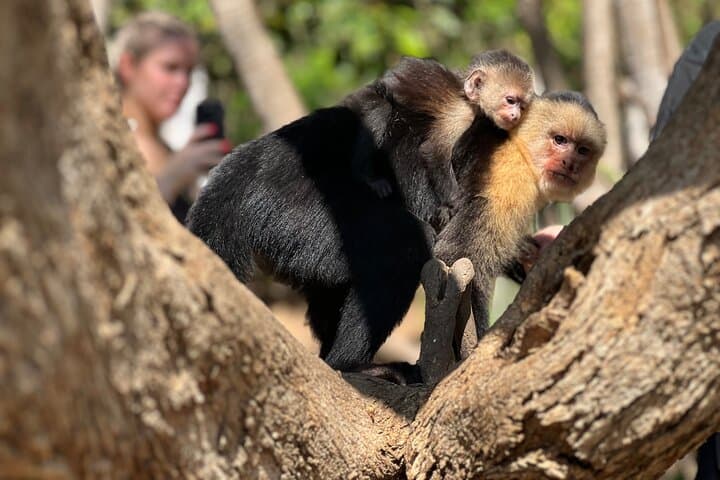
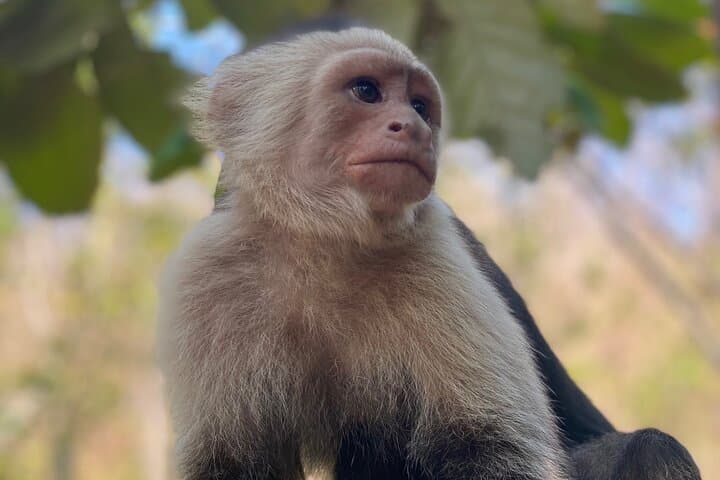
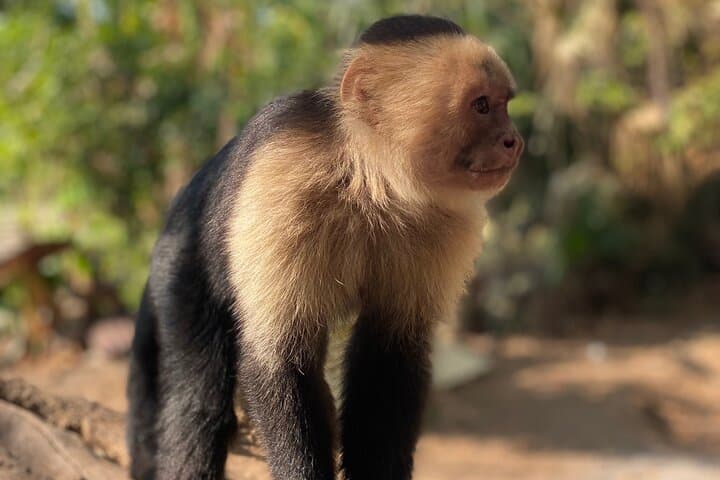
You step out of the van and the warm, humid air of the Central Pacific greets you—green hills pressing close to the ocean, the distant roar of surf, and a chorus of birds that seem to time their calls to each stop. The morning moves in chapters: a short walk through trees to watch white-faced capuchins, a view over the Rio Grande de Tárcoles for crocodile spotting, then a quiet coastside stretch where sloths hang slow and steady above a hidden beach.
You step out of the van and the warm, humid air of the Central Pacific greets you—green hills pressing close to the ocean, the distant roar of surf, and a chorus of birds that seem to time their calls to each stop. The morning moves in chapters: a short walk through trees to watch white-faced capuchins, a view over the Rio Grande de Tárcoles for crocodile spotting, then a quiet coastside stretch where sloths hang slow and steady above a hidden beach.
This route threads recent natural-history with modern conservation. The capuchins here are a New World primate familiar to biologists for complex social systems; the Tarcoles River runs through ancient coastal alluvium carved from volcanic highlands, concentrating fish and attracting large American crocodiles. Local communities around Jaco evolved from fishing and small-scale agriculture to serving wildlife tourism, and many guides now combine cultural interpretation with natural history.
Expect an accessible, family-friendly pace: short walks, bridge viewpoints, and an optional 1 hour 40 minute boat trip (extra fee) for closer looks at crocodiles and river birds. Staff enforce no-touch and no-feed rules—these keep wild animals wild. Practical planning: wear breathable shoes that handle sand and mud, bring binoculars, sun protection, and water; a light rain jacket is wise in the wet season. The tour lasts roughly 3–4 hours including transfers; photography is straightforward but be prepared for sudden shade and bright glare near water.
For first-timers, go early for cooler air and more active wildlife; respect posted signs and your guide’s instructions, and you’ll leave with sharp photos and a clear sense of the Central Pacific’s living coastline.