THE ADVENTURE COLLECTIVE® · Independent discovery and booking for outdoor travel

Spend a half-day in mindful practice at a waterfall temple above Chiang Mai. Combine simple meditation instruction, a monk chat, and a short forest walk to a Burmese-style pagoda with city views.
Spend a half-day in mindful practice at a waterfall temple above Chiang Mai. Combine simple meditation instruction, a monk chat, and a short forest walk to a Burmese-style pagoda with city views.
A thin trail of incense smoke and the slap of water set the scene as you climb past shaded pools toward a small Burmese-style pagoda perched above a falling stream. The sound of the waterfall does more than fill the canyon; it asks you to slow down, listen, and breathe. Morning light cuts through tall dipterocarp and teak, and the view opens briefly to a green-silver sweep of Chiang Mai below.
Verified experiences and guided adventures in the surrounding area.
Operated by Asia Connect Travel · Chiang Mai, Chiang Mai Province
A thin trail of incense smoke and the slap of water set the scene as you climb past shaded pools toward a small Burmese-style pagoda perched above a falling stream. The sound of the waterfall does more than fill the canyon; it asks you to slow down, listen, and breathe. Morning light cuts through tall dipterocarp and teak, and the view opens briefly to a green-silver sweep of Chiang Mai below.
This short, guided retreat combines simple Theravada practices with a visit to local landmarks: the Kruba Srivichai monument, offerings at a waterfall shrine, and a monk chat where questions about daily monastic life are encouraged. The temple architecture borrows from northern Lanna and Burmese influences — gilded roofs, layered terraces, and a chest relic story linked to regional pilgrimage routes.
Geologically, the site sits on the lower slopes of Doi Suthep—soft sedimentary rock and forested soil that channel small streams into seasonal cascades. Culturally, the ritual of offering lotus and gold leaf is a practical, living practice; expect clear etiquette around dress, speech, and donation.
Practical guidance: the program is a half day (about four hours) with short uphill walking on uneven stone steps — plan for approximately 15–30 minutes of light walking and roughly 50–150 m of elevation change. Wear shoulders- and knee-covering clothing for temple respect, bring water, and a light rain shell in the wet season. Phones should be muted; cameras are OK in communal areas but avoid photographing monks without permission. If you want a calm, low-effort cultural immersion framed by rainforest and falling water, this is a compact, accessible option.
easy.
4 hours.
Suitable for most fitness levels; participants should be able to walk 15–30 minutes on uneven stone steps and stand or sit on the ground for guided meditation.
No; the retreat teaches basic walking and sitting mindfulness suitable for beginners and experienced practitioners alike.
Yes; shoulders and knees should be covered. Remove shoes before entering shrine buildings.
Infants and small children can attend, but they must sit on an adult’s lap during seated sessions and be supervised on trails.
Yes; a monk chat is part of the itinerary where respectful questions about monastic life and practice are welcomed.
The site reflects northern Lanna religious traditions with Burmese-influenced pagoda style and local veneration of Kruba Srivichai, a major temple builder in the region.
Respect temple grounds and forest trails by carrying out litter; the area relies on community stewardship to protect water quality and riparian habitat.
Asia Connect Travel operates guided outdoor trips and adventures with an emphasis on safety, stewardship, and memorable experiences.
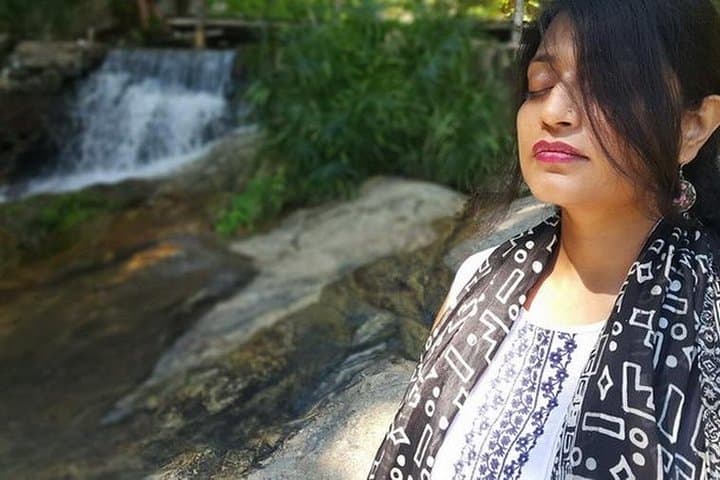
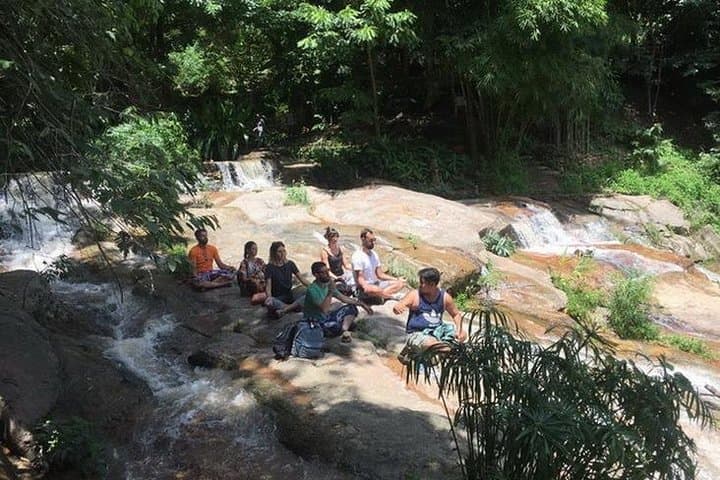
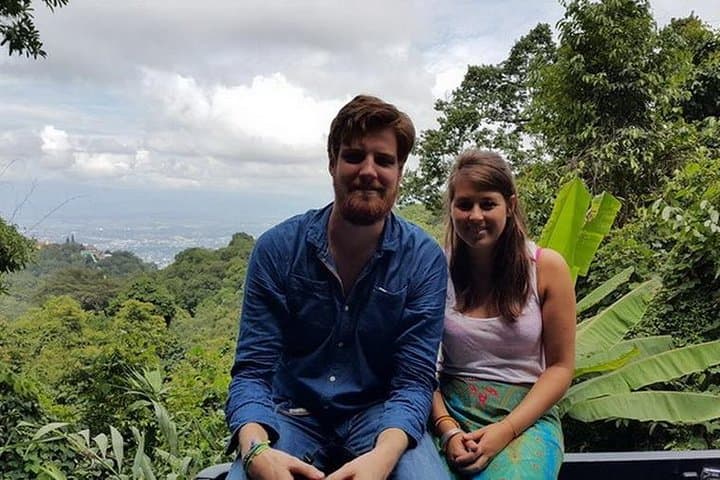
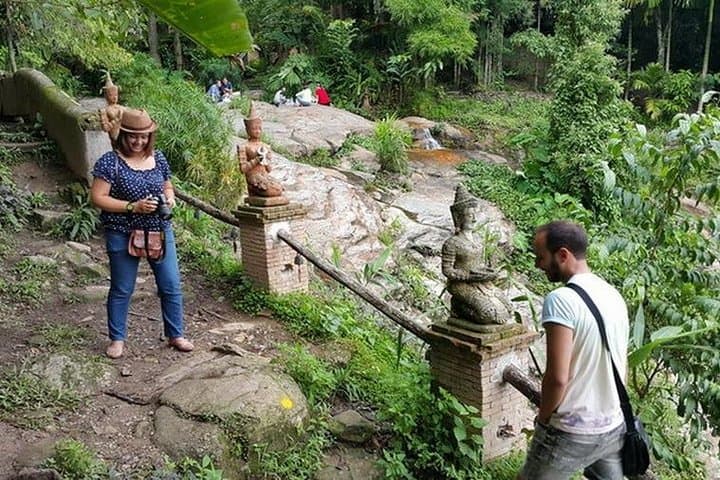
A thin trail of incense smoke and the slap of water set the scene as you climb past shaded pools toward a small Burmese-style pagoda perched above a falling stream. The sound of the waterfall does more than fill the canyon; it asks you to slow down, listen, and breathe. Morning light cuts through tall dipterocarp and teak, and the view opens briefly to a green-silver sweep of Chiang Mai below.
A thin trail of incense smoke and the slap of water set the scene as you climb past shaded pools toward a small Burmese-style pagoda perched above a falling stream. The sound of the waterfall does more than fill the canyon; it asks you to slow down, listen, and breathe. Morning light cuts through tall dipterocarp and teak, and the view opens briefly to a green-silver sweep of Chiang Mai below.
This short, guided retreat combines simple Theravada practices with a visit to local landmarks: the Kruba Srivichai monument, offerings at a waterfall shrine, and a monk chat where questions about daily monastic life are encouraged. The temple architecture borrows from northern Lanna and Burmese influences — gilded roofs, layered terraces, and a chest relic story linked to regional pilgrimage routes.
Geologically, the site sits on the lower slopes of Doi Suthep—soft sedimentary rock and forested soil that channel small streams into seasonal cascades. Culturally, the ritual of offering lotus and gold leaf is a practical, living practice; expect clear etiquette around dress, speech, and donation.
Practical guidance: the program is a half day (about four hours) with short uphill walking on uneven stone steps — plan for approximately 15–30 minutes of light walking and roughly 50–150 m of elevation change. Wear shoulders- and knee-covering clothing for temple respect, bring water, and a light rain shell in the wet season. Phones should be muted; cameras are OK in communal areas but avoid photographing monks without permission. If you want a calm, low-effort cultural immersion framed by rainforest and falling water, this is a compact, accessible option.