THE ADVENTURE COLLECTIVE® · Independent discovery and booking for outdoor travel

Four days of steppe, ger-camp hospitality and wildlife reintroduction: this loop from Ulaanbaatar pairs Khustai’s Przewalski’s horses with Terelj’s sculpted granite and the towering Genghis Khan statue. Expect easy hikes, horseback rides and nights under felt gers.
Four days of steppe, ger-camp hospitality and wildlife reintroduction: this loop from Ulaanbaatar pairs Khustai’s Przewalski’s horses with Terelj’s sculpted granite and the towering Genghis Khan statue. Expect easy hikes, horseback rides and nights under felt gers.
A low dawn settles over Ulaanbaatar and the city’s concrete edges blur into the open steppe as your minivan slides east. Windows frame a landscape that wants to be noticed: corrugated ridges of granite, rivers that cut bright lines through grass, and distant shapes—gers and grazing animals—moving like punctuation on the land. By midmorning you’re in a ger camp where wool smoke curls from an oven and a guide explains the old nomadic routines; by afternoon the Przewalski’s horses of Khustai are ghosting along a ridge, less zoo exhibit than wild presence.
Verified experiences and guided adventures in the surrounding area.
Operated by Mongolian Ways · Ulaanbaatar, Ulaanbaatar
A low dawn settles over Ulaanbaatar and the city’s concrete edges blur into the open steppe as your minivan slides east. Windows frame a landscape that wants to be noticed: corrugated ridges of granite, rivers that cut bright lines through grass, and distant shapes—gers and grazing animals—moving like punctuation on the land. By midmorning you’re in a ger camp where wool smoke curls from an oven and a guide explains the old nomadic routines; by afternoon the Przewalski’s horses of Khustai are ghosting along a ridge, less zoo exhibit than wild presence.
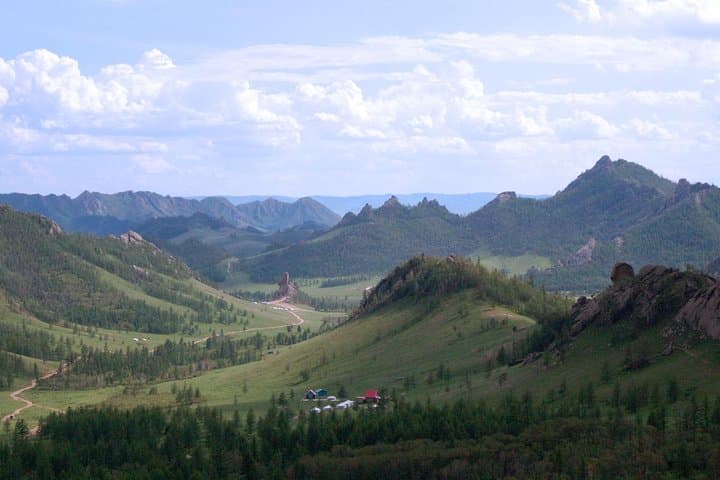
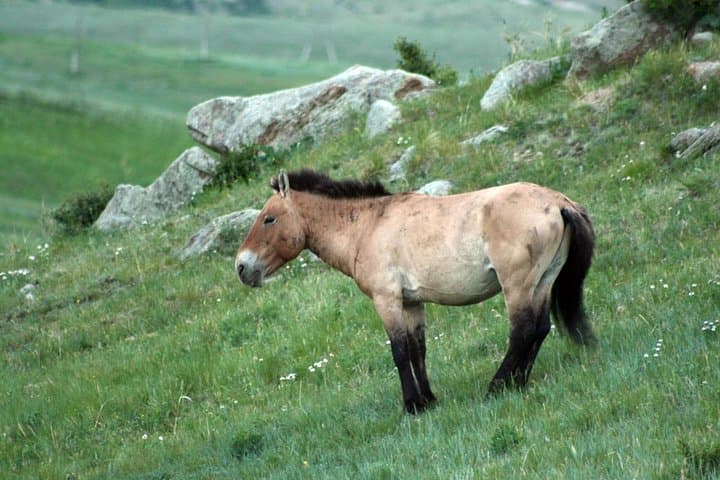
The route threads together two different faces of Central Mongolia. Khustaiin Nuruu SPA is an intentional repair project of conservation history, where the last surviving Takhi—Przewalski’s horse—was reintroduced to its native steppe. Geologically the parks are products of long patient forces: rounded granite tors in Terelj carved by freeze-thaw and wind, and the rolling sedimentary steppe that favors grasses over trees. Culturally the area is layered: 20th-century nomad life survives in living practice, while Ariabal Temple—rebuilt after the purges of the 1930s—offers a quieter counterpoint of meditation and ritual.
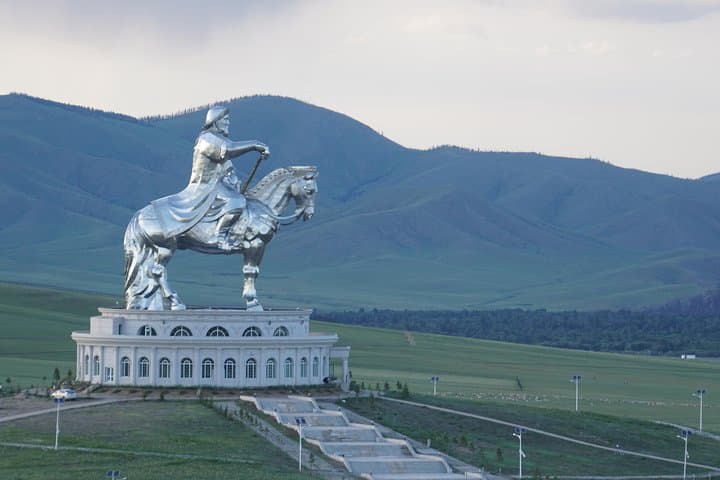
On the trail you alternate textures and tempos: an easy hill hike to Turtle Rock provides clean vistas for orienting the scale of the park; a horseback ride in the afternoon puts pace back into the landscape, with horses moving with the economy of animals bred to conserve energy. The Genghis Khan Monument caps the route—40 meters of welded steel horse and rider, its observation deck giving a wide-angle read on why this land has always mattered to its people.
Practical edge: the itinerary is four days and requires a moderate level of fitness—expect three short hikes and one horseback outing, plus long drives from Ulaanbaatar (roughly 1–2 hours to the parks depending on traffic and road conditions). Temperatures swing daily; mornings can be crisp even in summer. Accommodations are in ger camps with simple beds, communal meals, and warm hospitality. Bring cash for small purchases, and be prepared for basic toilet facilities at camps.
Timing and respect matter. Sunrise is when wildlife is most active; late afternoon brings softer light and fewer day visitors. Ask before photographing nomad family camps, remove shoes when entering a ger if instructed, and follow guides’ distance rules around wildlife. With modest preparation—sturdy boots, layers, sunscreen, and a sense of curiosity—this loop delivers wide-open scenery, living culture, and the rare thrill of watching species reclaimed by its native land.
moderate.
4 days.
Moderate—able to handle short hikes (1–3 miles) and a few hours of horseback riding, plus long vehicle transfers.
Pickup is arranged from most hotels in Ulaanbaatar or the airport—confirm your pickup point and flight details when booking.
Sightings are common but not guaranteed—animals roam free; morning and late afternoon increase chances.
Gers offer basic but clean accommodations with beds, communal dining and wood or electric heating; expect simple facilities.
Yes—rides are generally gentle and meant for novices, but disclose any limitations and follow the guide’s instructions.
Camps have basic toilets; on short hikes you may use outdoor facilities—bring hand sanitizer and tissues.
Signal is intermittent in the parks; some ger camps offer limited Wi‑Fi or satellite-based connectivity—don’t rely on constant service.
Terelj and Khustai reflect Mongolia’s 20th-century shifts: the reestablishment of nomadic traditions after Qing rule and the later reintroduction of native wildlife driven by conservation efforts.
Khustai is a conservation success; visitors are asked to stay on paths, avoid feeding wildlife, and support local camps that follow sustainable grazing and waste practices.
Mongolian Ways operates guided outdoor trips and adventures with an emphasis on safety, stewardship, and memorable experiences.
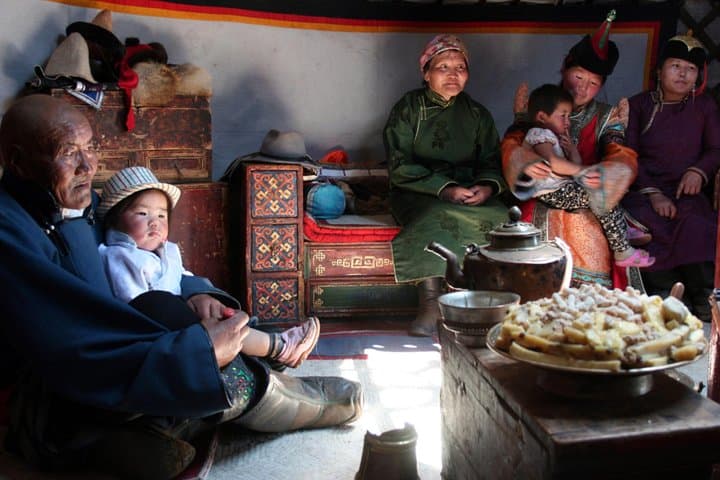
A low dawn settles over Ulaanbaatar and the city’s concrete edges blur into the open steppe as your minivan slides east. Windows frame a landscape that wants to be noticed: corrugated ridges of granite, rivers that cut bright lines through grass, and distant shapes—gers and grazing animals—moving like punctuation on the land. By midmorning you’re in a ger camp where wool smoke curls from an oven and a guide explains the old nomadic routines; by afternoon the Przewalski’s horses of Khustai are ghosting along a ridge, less zoo exhibit than wild presence.
A low dawn settles over Ulaanbaatar and the city’s concrete edges blur into the open steppe as your minivan slides east. Windows frame a landscape that wants to be noticed: corrugated ridges of granite, rivers that cut bright lines through grass, and distant shapes—gers and grazing animals—moving like punctuation on the land. By midmorning you’re in a ger camp where wool smoke curls from an oven and a guide explains the old nomadic routines; by afternoon the Przewalski’s horses of Khustai are ghosting along a ridge, less zoo exhibit than wild presence.
The route threads together two different faces of Central Mongolia. Khustaiin Nuruu SPA is an intentional repair project of conservation history, where the last surviving Takhi—Przewalski’s horse—was reintroduced to its native steppe. Geologically the parks are products of long patient forces: rounded granite tors in Terelj carved by freeze-thaw and wind, and the rolling sedimentary steppe that favors grasses over trees. Culturally the area is layered: 20th-century nomad life survives in living practice, while Ariabal Temple—rebuilt after the purges of the 1930s—offers a quieter counterpoint of meditation and ritual.
On the trail you alternate textures and tempos: an easy hill hike to Turtle Rock provides clean vistas for orienting the scale of the park; a horseback ride in the afternoon puts pace back into the landscape, with horses moving with the economy of animals bred to conserve energy. The Genghis Khan Monument caps the route—40 meters of welded steel horse and rider, its observation deck giving a wide-angle read on why this land has always mattered to its people.
Practical edge: the itinerary is four days and requires a moderate level of fitness—expect three short hikes and one horseback outing, plus long drives from Ulaanbaatar (roughly 1–2 hours to the parks depending on traffic and road conditions). Temperatures swing daily; mornings can be crisp even in summer. Accommodations are in ger camps with simple beds, communal meals, and warm hospitality. Bring cash for small purchases, and be prepared for basic toilet facilities at camps.
Timing and respect matter. Sunrise is when wildlife is most active; late afternoon brings softer light and fewer day visitors. Ask before photographing nomad family camps, remove shoes when entering a ger if instructed, and follow guides’ distance rules around wildlife. With modest preparation—sturdy boots, layers, sunscreen, and a sense of curiosity—this loop delivers wide-open scenery, living culture, and the rare thrill of watching species reclaimed by its native land.