THE ADVENTURE COLLECTIVE® · Independent discovery and booking for outdoor travel

Swap the Algarve’s beaches for cool pine air and panoramic ridgelines on a Monchique day trip. Visit the thermal baths, explore the old town and reach Foia — the Algarve’s high point — for sweeping views.
Swap the Algarve’s beaches for cool pine air and panoramic ridgelines on a Monchique day trip. Visit the thermal baths, explore the old town and reach Foia — the Algarve’s high point — for sweeping views.
A narrow ribbon of road climbs through cork oak and pine as the Algarve drops away; salt air gives way to cooler, resin-scented wind. By mid-morning you arrive in Monchique — a compact mountain town of whitewashed houses and tiled roofs — where the market hums and the scent of local cured meats drifts from small shops.
Verified experiences and guided adventures in the surrounding area.
Operated by Zebra Safari Tours · Monchique, Algarve
A narrow ribbon of road climbs through cork oak and pine as the Algarve drops away; salt air gives way to cooler, resin-scented wind. By mid-morning you arrive in Monchique — a compact mountain town of whitewashed houses and tiled roofs — where the market hums and the scent of local cured meats drifts from small shops.
This region has been a crossroads since Roman and Moorish times: the springs at Caldas de Monchique drew medieval nobility and later royal patronage for their reputed therapeutic waters. Geologically, the Serra de Monchique is a granite intrusion — weathered domes and ridgelines form steep, walkable slopes that culminate at Foia, the Algarve’s high point (~902 m), offering wide, Atlantic-facing panoramas.
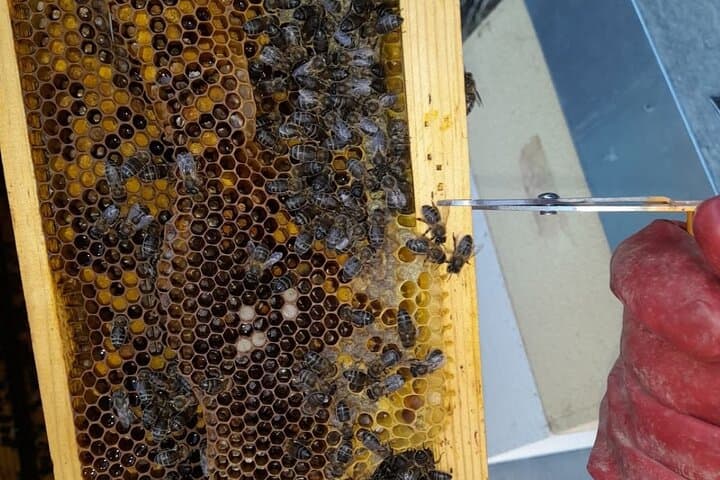
A typical day trip blends gentle cultural stops with short climbs and scenic viewpoints: stroll the old town, test the thermal baths, and drive or hike to Foia for the sunset. Local gastronomy emphasizes mountain pork, honey, and medronho (a strong distillate), reflecting a rural, self-sufficient culture.
Practicalities: expect variable microclimates — mornings can be cool and windy at altitude even in summer. Trails range from paved lanes to rocky footpaths with moderate grades. Bring layered clothing, sturdy shoes, and water for 1–3 hours of walking if you plan to explore beyond the town. Accessibility is good by private transport; shared tours often run a full-day schedule. For an authentic mountain Algarve experience, Monchique pairs accessible exploration with genuinely different terrain from the coast.
easy.
6–7 hours (full-day tour including stops).
Suitable for most fitness levels; short moderate walks possible to viewpoints require steady footing.
From coastal towns like Portimão or Albufeira expect a 30–60 minute drive depending on traffic and your starting point.
Yes — there is a paved road to Foia’s summit parking area, but many visitors choose to walk short trails from nearby lots for better views.
Caldas de Monchique has public thermal facilities and spa services; hours and access can vary seasonally so check ahead for treatments or pool access.
The town and many viewpoints are accessible, but some trails are uneven; choose flatter routes and allow extra time for mobility needs.
Monchique’s springs attracted Roman and Moorish settlement; later, King João II endorsed its thermal waters in the 15th century, boosting its reputation as a healing site.
The Serra de Monchique’s pine and cork oak habitats are sensitive to wildfire and erosion; visitors should stick to trails, avoid open fires, and support local businesses that follow sustainable practices.
Zebra Safari Tours operates guided outdoor trips and adventures with an emphasis on safety, stewardship, and memorable experiences.
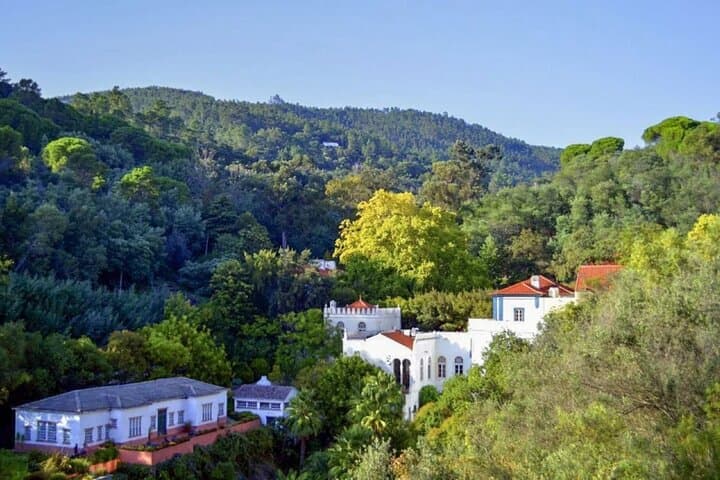
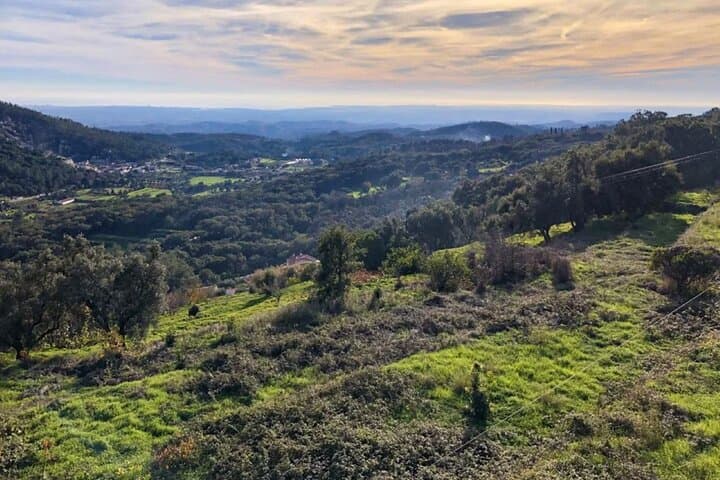
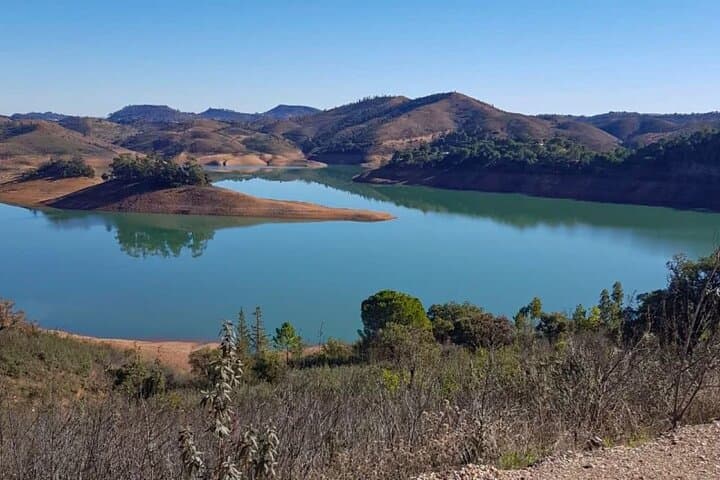
A narrow ribbon of road climbs through cork oak and pine as the Algarve drops away; salt air gives way to cooler, resin-scented wind. By mid-morning you arrive in Monchique — a compact mountain town of whitewashed houses and tiled roofs — where the market hums and the scent of local cured meats drifts from small shops.
A narrow ribbon of road climbs through cork oak and pine as the Algarve drops away; salt air gives way to cooler, resin-scented wind. By mid-morning you arrive in Monchique — a compact mountain town of whitewashed houses and tiled roofs — where the market hums and the scent of local cured meats drifts from small shops.
This region has been a crossroads since Roman and Moorish times: the springs at Caldas de Monchique drew medieval nobility and later royal patronage for their reputed therapeutic waters. Geologically, the Serra de Monchique is a granite intrusion — weathered domes and ridgelines form steep, walkable slopes that culminate at Foia, the Algarve’s high point (~902 m), offering wide, Atlantic-facing panoramas.
A typical day trip blends gentle cultural stops with short climbs and scenic viewpoints: stroll the old town, test the thermal baths, and drive or hike to Foia for the sunset. Local gastronomy emphasizes mountain pork, honey, and medronho (a strong distillate), reflecting a rural, self-sufficient culture.
Practicalities: expect variable microclimates — mornings can be cool and windy at altitude even in summer. Trails range from paved lanes to rocky footpaths with moderate grades. Bring layered clothing, sturdy shoes, and water for 1–3 hours of walking if you plan to explore beyond the town. Accessibility is good by private transport; shared tours often run a full-day schedule. For an authentic mountain Algarve experience, Monchique pairs accessible exploration with genuinely different terrain from the coast.