THE ADVENTURE COLLECTIVE® · Independent discovery and booking for outdoor travel

Witness the overwintering monarchs in Michoacán and combine butterfly viewing with visits to Pátzcuaro, Santa Clara del Cobre and Morelia. This three-day tour pairs high-elevation forest hikes with colonial culture and local craft traditions.
Witness the overwintering monarchs in Michoacán and combine butterfly viewing with visits to Pátzcuaro, Santa Clara del Cobre and Morelia. This three-day tour pairs high-elevation forest hikes with colonial culture and local craft traditions.
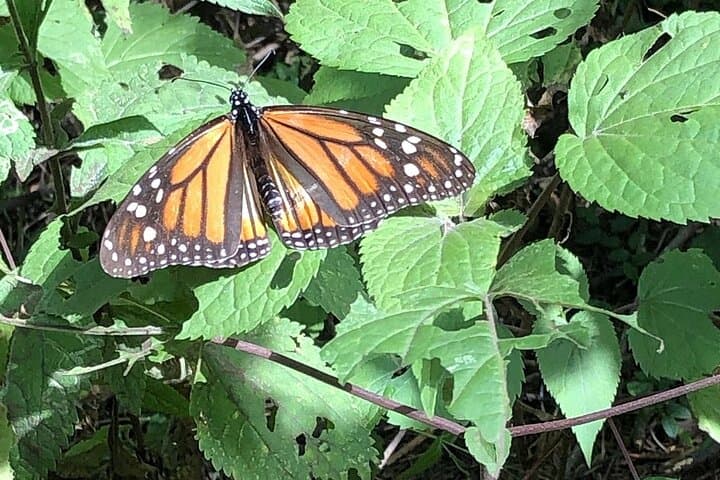
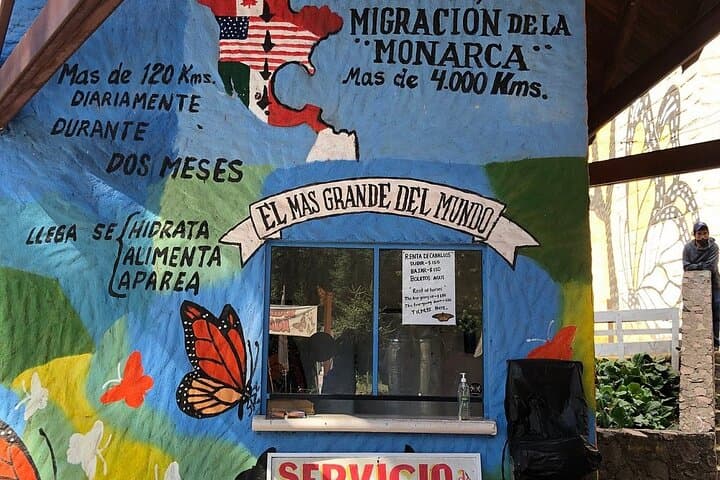
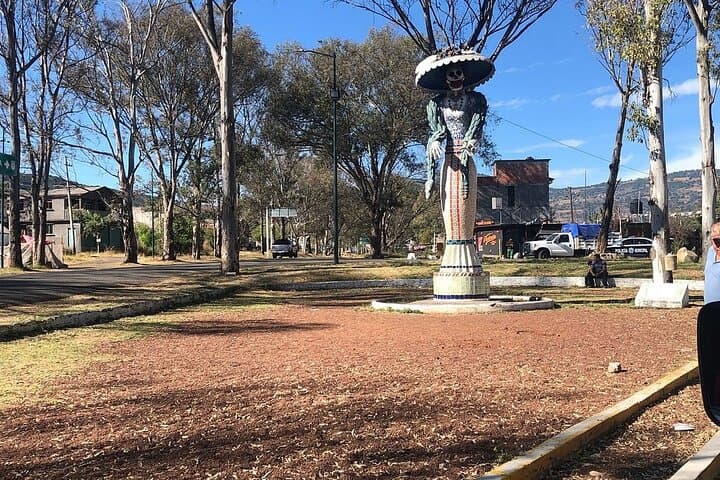
A cold, thin morning light filters through oyamel firs as a dark cloud shutters and then lifts—millions of monarch wings stirring like a living snowfall. On this three-day route from Zihuatanejo you meet the overwintering sites of the monarch migration and sample Michoacán’s colonial towns: Pátzcuaro, Santa Clara del Cobre and Morelia.
Verified experiences and guided adventures in the surrounding area.
Operated by Zihua Ixtapa Transportation · Pátzcuaro, Michoacán
A cold, thin morning light filters through oyamel firs as a dark cloud shutters and then lifts—millions of monarch wings stirring like a living snowfall. On this three-day route from Zihuatanejo you meet the overwintering sites of the monarch migration and sample Michoacán’s colonial towns: Pátzcuaro, Santa Clara del Cobre and Morelia.
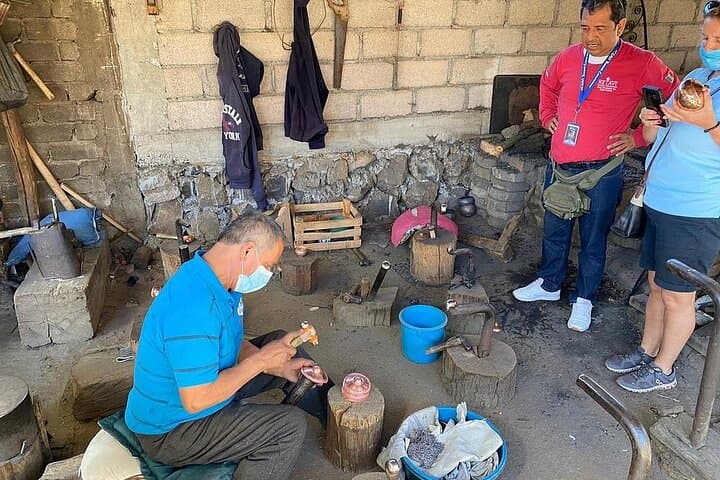
The landscape is volcanic highland—steep ravines, volcanic rock and mixed pine-oak forest that hold the butterflies at 2,400–3,200 m elevation. Indigenous Purépecha towns around Lake Pátzcuaro anchor the region’s cultural history; Pátzcuaro was once a ceremonial center for the pre-Hispanic Tarascan state, and Santa Clara’s copper workshops showcase centuries-old metalworking techniques.
Expect short, sometimes steep walks from parking areas up forest trails; the butterflies cluster on the shaded side of ridges and move with sun and thermals. Guides will lead to viewpoints where the massed orange-and-black wings gather on fir branches, and local artisans offer hand-hammered copper and regional sweets in cobbled plazas.
Practically: the best viewing season runs late November through March, and temperatures can drop below freezing at altitude—layer for wind and sun, bring waterproof footwear for muddy trails, and arrive at first light to see the most activity. Respect quiet zones in reserves; photography is allowed but avoid flash. This trip blends wildlife spectacle with hands-on cultural stops—comfortably active, historically rich, and rooted in a fragile ecosystem that benefits from thoughtful tourism.
moderate.
3 days.
Participants should have moderate fitness—able to walk 30–60 minutes on uneven, uphill trails at high altitude.
Peak viewing is typically late November through March when monarchs overwinter in the oyamel fir forests; activity is highest on sunny mornings.
Walks range from short uphill paths of 20–60 minutes; they can be steep and muddy—moderate fitness and good footwear are recommended.
Tour inclusions vary—confirm whether guide fees or reserve entrance are covered; this experience lists transportation and meals as included but check specifics before booking.
Children are allowed but infants may need to sit on an adult’s lap during transport; consider cold conditions and shorter attention spans for young visitors.
Pátzcuaro was an important center of the pre-Hispanic Tarascan state; colonial-era Morelia later became a regional capital known for its baroque cathedral and artisan crafts.
The monarchs rely on high-elevation oyamel fir forests; illegal logging, climate change and habitat fragmentation are ongoing threats—visit with certified guides and support local conservation fees.
Zihua Ixtapa Transportation operates guided outdoor trips and adventures with an emphasis on safety, stewardship, and memorable experiences.
A cold, thin morning light filters through oyamel firs as a dark cloud shutters and then lifts—millions of monarch wings stirring like a living snowfall. On this three-day route from Zihuatanejo you meet the overwintering sites of the monarch migration and sample Michoacán’s colonial towns: Pátzcuaro, Santa Clara del Cobre and Morelia.
A cold, thin morning light filters through oyamel firs as a dark cloud shutters and then lifts—millions of monarch wings stirring like a living snowfall. On this three-day route from Zihuatanejo you meet the overwintering sites of the monarch migration and sample Michoacán’s colonial towns: Pátzcuaro, Santa Clara del Cobre and Morelia.
The landscape is volcanic highland—steep ravines, volcanic rock and mixed pine-oak forest that hold the butterflies at 2,400–3,200 m elevation. Indigenous Purépecha towns around Lake Pátzcuaro anchor the region’s cultural history; Pátzcuaro was once a ceremonial center for the pre-Hispanic Tarascan state, and Santa Clara’s copper workshops showcase centuries-old metalworking techniques.
Expect short, sometimes steep walks from parking areas up forest trails; the butterflies cluster on the shaded side of ridges and move with sun and thermals. Guides will lead to viewpoints where the massed orange-and-black wings gather on fir branches, and local artisans offer hand-hammered copper and regional sweets in cobbled plazas.
Practically: the best viewing season runs late November through March, and temperatures can drop below freezing at altitude—layer for wind and sun, bring waterproof footwear for muddy trails, and arrive at first light to see the most activity. Respect quiet zones in reserves; photography is allowed but avoid flash. This trip blends wildlife spectacle with hands-on cultural stops—comfortably active, historically rich, and rooted in a fragile ecosystem that benefits from thoughtful tourism.