THE ADVENTURE COLLECTIVE® · Independent discovery and booking for outdoor travel

Join a private, expert-led trip from Morelia to El Rosario where millions of monarchs overwinter. This guided day tour combines an immersive forest hike with local culture and practical guidance for seeing the migration at its most active.
Join a private, expert-led trip from Morelia to El Rosario where millions of monarchs overwinter. This guided day tour combines an immersive forest hike with local culture and practical guidance for seeing the migration at its most active.
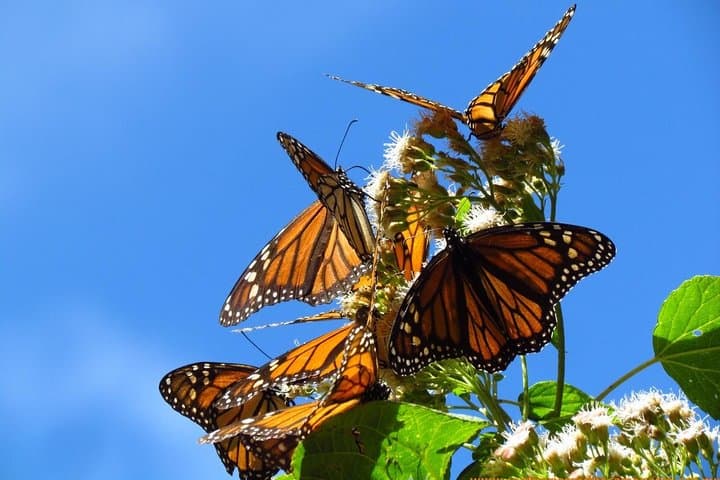
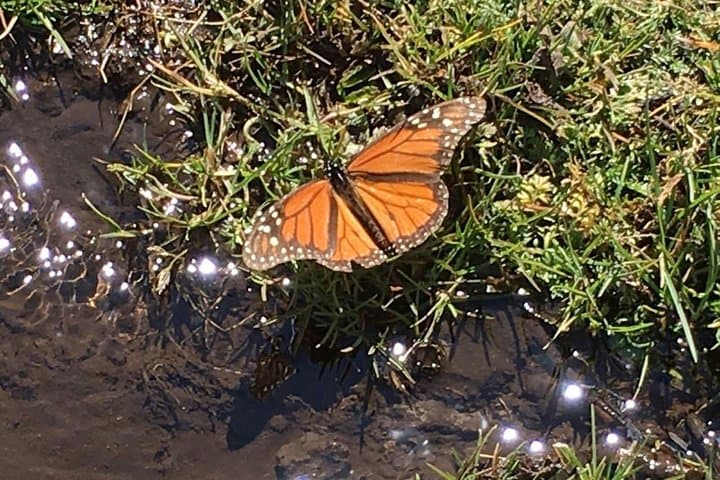
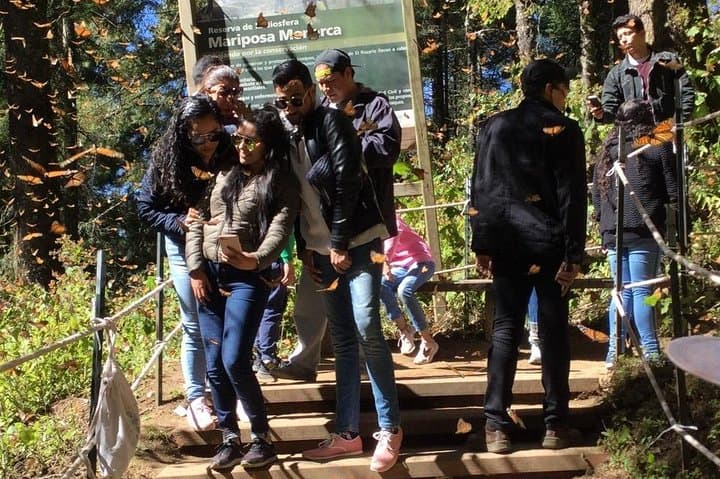
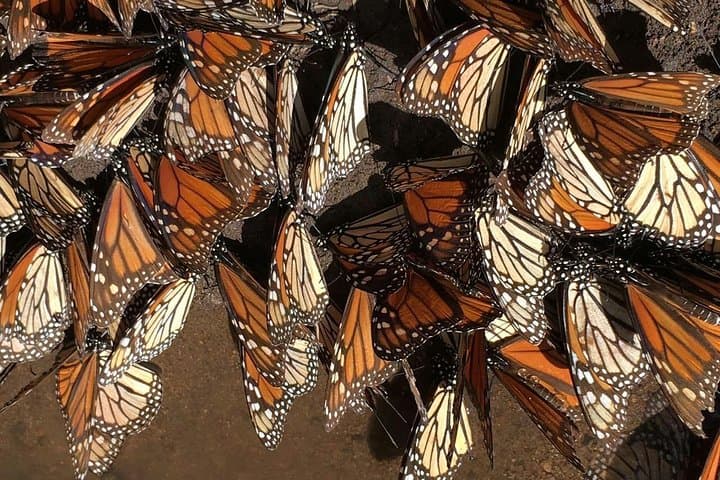
A cold morning light climbs the fir-and-pine slopes as a single-file trail cuts into the forest; the air hums with wings. On a private tour from Morelia, visitors follow a guide with decades of experience up to the groves where millions of monarchs cluster like floating leaves. The butterflies, arriving after a 3,000-mile migration from Canada and the northern U.S., hang from branches in dense, quivering masses and lift in ragged clouds when disturbed — a living weather system that moves with temperature and sun.
Verified experiences and guided adventures in the surrounding area.
Operated by Alfredo Tour Guide · Morelia, Michoacán
A cold morning light climbs the fir-and-pine slopes as a single-file trail cuts into the forest; the air hums with wings. On a private tour from Morelia, visitors follow a guide with decades of experience up to the groves where millions of monarchs cluster like floating leaves. The butterflies, arriving after a 3,000-mile migration from Canada and the northern U.S., hang from branches in dense, quivering masses and lift in ragged clouds when disturbed — a living weather system that moves with temperature and sun.
The reserve occupies high volcanic ridges on the Trans-Mexican Volcanic Belt; soils and elevation (2,500–3,100 m) create a cool microclimate that monarchs depend on each winter. Declared a UNESCO World Heritage Site in 2008, the sanctuaries also sit within landscapes shaped by indigenous and rural communities — local guides often share recipes and stories at lunchtime that reflect Purépecha and Mazahua traditions.
Practically, expect steep, sometimes muddy trails, short uphill hikes through shaded forest, and moments of open-view overlooks where butterflies spiral against the sky. Heat, wind, and sunlight change their activity quickly; the best viewing windows are late morning on clear days when the sun warms the groves.
Plan for an all-day outing: dress in layers, bring water and snacks, wear grippy boots for uneven, sometimes icy ground, and respect quiet viewing etiquette. Photography is welcome but avoid flashes and don't touch clusters; conservation-minded behavior preserves the site for future migrations.
moderate.
8 hours.
Should be comfortable hiking short uphill sections at high altitude and standing on uneven terrain for extended periods.
Peak viewing is typically November through February when butterflies cluster in the high-elevation groves; daily visibility is best during late morning on clear, calm days.
Hikes are short to moderate but can be steep and at 2,500–3,100 m altitude; a moderate fitness level is recommended and the guide will set the pace.
Most viewing areas require uphill trails and uneven terrain; accessibility is limited — contact the tour operator about lower-lookout options or vehicle drop-off points.
No — touching damages their delicate wings and exposes them to oils and cold; adhere to guide instructions and avoid flash photography near clusters.
The Monarch Butterfly Biosphere Reserve was inscribed as a UNESCO World Heritage Site in 2008 to protect the overwintering grounds that support a continent-scale migration.
The reserves face pressure from illegal logging and climate shifts; visiting with certified guides, staying on trails, and following no-touch rules reduces disturbance to colonies.
Alfredo Tour Guide operates guided outdoor trips and adventures with an emphasis on safety, stewardship, and memorable experiences.
A cold morning light climbs the fir-and-pine slopes as a single-file trail cuts into the forest; the air hums with wings. On a private tour from Morelia, visitors follow a guide with decades of experience up to the groves where millions of monarchs cluster like floating leaves. The butterflies, arriving after a 3,000-mile migration from Canada and the northern U.S., hang from branches in dense, quivering masses and lift in ragged clouds when disturbed — a living weather system that moves with temperature and sun.
A cold morning light climbs the fir-and-pine slopes as a single-file trail cuts into the forest; the air hums with wings. On a private tour from Morelia, visitors follow a guide with decades of experience up to the groves where millions of monarchs cluster like floating leaves. The butterflies, arriving after a 3,000-mile migration from Canada and the northern U.S., hang from branches in dense, quivering masses and lift in ragged clouds when disturbed — a living weather system that moves with temperature and sun.
The reserve occupies high volcanic ridges on the Trans-Mexican Volcanic Belt; soils and elevation (2,500–3,100 m) create a cool microclimate that monarchs depend on each winter. Declared a UNESCO World Heritage Site in 2008, the sanctuaries also sit within landscapes shaped by indigenous and rural communities — local guides often share recipes and stories at lunchtime that reflect Purépecha and Mazahua traditions.
Practically, expect steep, sometimes muddy trails, short uphill hikes through shaded forest, and moments of open-view overlooks where butterflies spiral against the sky. Heat, wind, and sunlight change their activity quickly; the best viewing windows are late morning on clear days when the sun warms the groves.
Plan for an all-day outing: dress in layers, bring water and snacks, wear grippy boots for uneven, sometimes icy ground, and respect quiet viewing etiquette. Photography is welcome but avoid flashes and don't touch clusters; conservation-minded behavior preserves the site for future migrations.