THE ADVENTURE COLLECTIVE® · Independent discovery and booking for outdoor travel

Witness thousands of monarchs roosting in oyamel firs and explore the Christmas-themed town of Tlalpujahua on a long but rewarding day trip from Mexico City. Learn when to go, what to wear, and how to make the most of a high-altitude wildlife experience.
Witness thousands of monarchs roosting in oyamel firs and explore the Christmas-themed town of Tlalpujahua on a long but rewarding day trip from Mexico City. Learn when to go, what to wear, and how to make the most of a high-altitude wildlife experience.
You arrive before sunrise into a high forest where the air bites and then softens with the flurry of orange wings — monarchs clustered like leaves come alive on oyamel fir boughs. The trail climbs through pine and fir, the path switching between packed earth and rocky steps, opening onto clearings where whole trees tremble under the weight of butterflies.
Verified experiences and guided adventures in the surrounding area.
Operated by Vibe Adventures · Angangueo, Michoacán
You arrive before sunrise into a high forest where the air bites and then softens with the flurry of orange wings — monarchs clustered like leaves come alive on oyamel fir boughs. The trail climbs through pine and fir, the path switching between packed earth and rocky steps, opening onto clearings where whole trees tremble under the weight of butterflies.
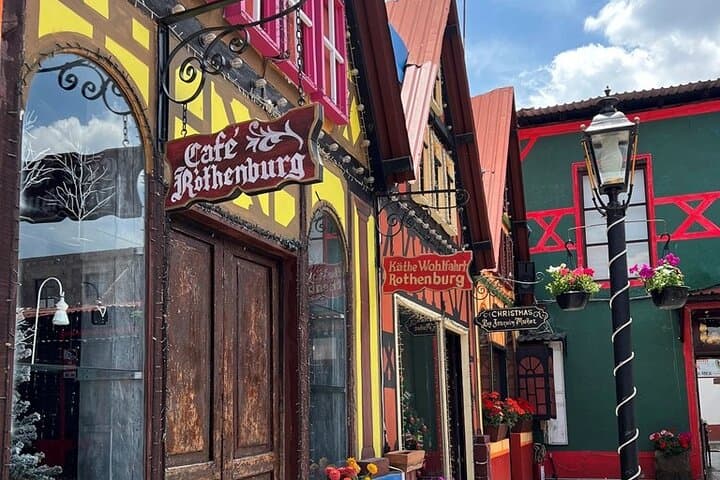
This is part of the Monarch Butterfly Biosphere Reserve, a UNESCO-designated refuge that receives migrants each year after a journey from as far north as Canada. The surrounding geology—volcanic slopes and steep ridgelines—creates the cool microclimate monarchs need to overwinter. Nearby Tlalpujahua, a former mining town, adds human history: 18th–19th century extraction shaped its streets and a modern tradition of blown-glass Christmas ornaments keeps a year-round festive economy.
Practical guidance: the full tour runs about 14 hours door-to-door with ~3–3.5 hours driving each way from Mexico City. Sanctuary elevations are roughly 2,800–3,400 m (9,200–11,150 ft); expect 1.2–3 km of hiking with 220–800 m of ascent depending on where the butterflies cluster. Temperatures can be near freezing—dress in layers and bring a windproof jacket, sturdy boots, water, and high-energy snacks. Horses can be hired locally for steep sections; carry small bills. Photography is allowed but avoid flash and close handling of butterflies. The best viewing window is November–March (peak December–February), and weather—cold or rain—reduces butterfly activity. Respect the silence of the forest, stay on marked trails, and pack out any waste: this fragile habitat depends on low-impact visitors.
moderate.
10–14 hours.
Moderate fitness required—comfortable with short steep hikes at high elevation and prolonged time in transit.
The migration runs November–March, with peak concentrations and most reliable viewing from December through February.
No—sightings vary with weather and exact cluster locations; cold conditions help congregation while rain and wind reduce activity.
Trails range from 1.2–3 km with 220–800 m elevation gain; a moderate fitness level is recommended and local horses can be hired for part of the ascent.
Pickup and drop-off are included only for private tours—group tours generally require meeting at a designated pickup point.
Monarchs have migrated to central Mexican mountains for generations; nearby towns like Tlalpujahua grew from 18th–19th century mining and later developed a reputation for blown-glass Christmas ornaments.
The reserve is protected but fragile—stay on trails, avoid flash photography near clusters, and minimize noise and waste to reduce disturbance to overwintering monarchs.
Vibe Adventures operates guided outdoor trips and adventures with an emphasis on safety, stewardship, and memorable experiences.



You arrive before sunrise into a high forest where the air bites and then softens with the flurry of orange wings — monarchs clustered like leaves come alive on oyamel fir boughs. The trail climbs through pine and fir, the path switching between packed earth and rocky steps, opening onto clearings where whole trees tremble under the weight of butterflies.
You arrive before sunrise into a high forest where the air bites and then softens with the flurry of orange wings — monarchs clustered like leaves come alive on oyamel fir boughs. The trail climbs through pine and fir, the path switching between packed earth and rocky steps, opening onto clearings where whole trees tremble under the weight of butterflies.
This is part of the Monarch Butterfly Biosphere Reserve, a UNESCO-designated refuge that receives migrants each year after a journey from as far north as Canada. The surrounding geology—volcanic slopes and steep ridgelines—creates the cool microclimate monarchs need to overwinter. Nearby Tlalpujahua, a former mining town, adds human history: 18th–19th century extraction shaped its streets and a modern tradition of blown-glass Christmas ornaments keeps a year-round festive economy.
Practical guidance: the full tour runs about 14 hours door-to-door with ~3–3.5 hours driving each way from Mexico City. Sanctuary elevations are roughly 2,800–3,400 m (9,200–11,150 ft); expect 1.2–3 km of hiking with 220–800 m of ascent depending on where the butterflies cluster. Temperatures can be near freezing—dress in layers and bring a windproof jacket, sturdy boots, water, and high-energy snacks. Horses can be hired locally for steep sections; carry small bills. Photography is allowed but avoid flash and close handling of butterflies. The best viewing window is November–March (peak December–February), and weather—cold or rain—reduces butterfly activity. Respect the silence of the forest, stay on marked trails, and pack out any waste: this fragile habitat depends on low-impact visitors.