THE ADVENTURE COLLECTIVE® · Independent discovery and booking for outdoor travel

Walk the full 3.3 km Monaco Grand Prix circuit with a guide who points out the tunnel, Casino Square and famous bends. Expect steep sections, local stories and instant photo ops.
Walk the full 3.3 km Monaco Grand Prix circuit with a guide who points out the tunnel, Casino Square and famous bends. Expect steep sections, local stories and instant photo ops.
You step out onto asphalt that has held the roar of champions, the harbor’s salt air cutting through the city’s perfume of espresso and engine oil.
Verified experiences and guided adventures in the surrounding area.
Operated by Tommaso Battaglia · Monte Carlo, Monaco
You step out onto asphalt that has held the roar of champions, the harbor’s salt air cutting through the city’s perfume of espresso and engine oil.
This 3.3 km walking tour follows the full Monaco Grand Prix circuit — Port Hercules, the tight Casino Square, the famous bend, the tunnel and the start/finish straight — over roughly two hours. The route is urban and not flat: expect short, steep ramps and cobbled sections around the old town that give the circuit its tactical bite.
Monaco’s race dates to 1929; its narrow streets were never built for speed but have been remade each spring into a living racecourse, a cultural event that shaped local hospitality and international glamour. Geologically, you walk on limestone terraces cut into a steep coastal slope where reclaimed land meets historic harbor walls.
Locals mix yachts and sidewalk cafés, while the tunnel’s lights swallow sound and spit it out again — a concrete throat that defines this track’s character. Wear sturdy shoes; watch for live traffic outside race week, and time the walk for morning light when crowds are thin and photos avoid glare.
The guide pauses at key corners with racer anecdotes and safety notes, and will happily stop for pictures. Hydrate, bring a light layer for the tunnel’s contrasting air, and reserve special-event windows if you plan to visit during Grand Prix week when the city becomes a closed circuit.
For fans, this is a practical, sensory primer on one of motorsport’s most famous urban arenas.
moderate.
2–3 hours.
Moderate fitness: able to walk 3.3 km over uneven pavement with short climbs
The walk covers about 3.3 km and runs ~135 minutes; it’s urban but not flat, with short climbs—moderate fitness is recommended.
The tour notes wheelchair and stroller accessibility, though some sections include uneven pavement and short ramps—check with the operator for specific needs.
Yes — the guided itinerary includes the tunnel, start/finish straight, Casino Square and key corners along the circuit.
Grand Prix week changes city access and crowds; the operator may alter or suspend tours—book well in advance and confirm availability for race periods.
Monaco’s Grand Prix began in 1929 and transformed narrow coastal streets into a recurring international spectacle that shaped local tourism and hospitality.
The circuit and harbor are high-traffic zones; follow local rules, avoid littering, and use marked crossings to reduce environmental and safety impacts.
Tommaso Battaglia operates guided outdoor trips and adventures with an emphasis on safety, stewardship, and memorable experiences.
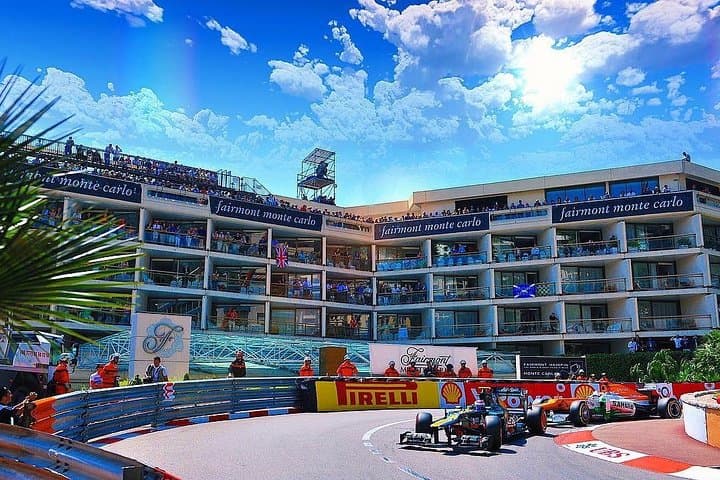
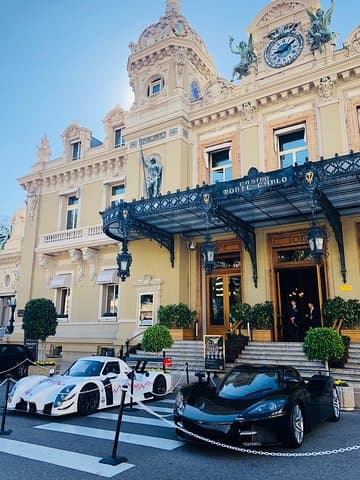
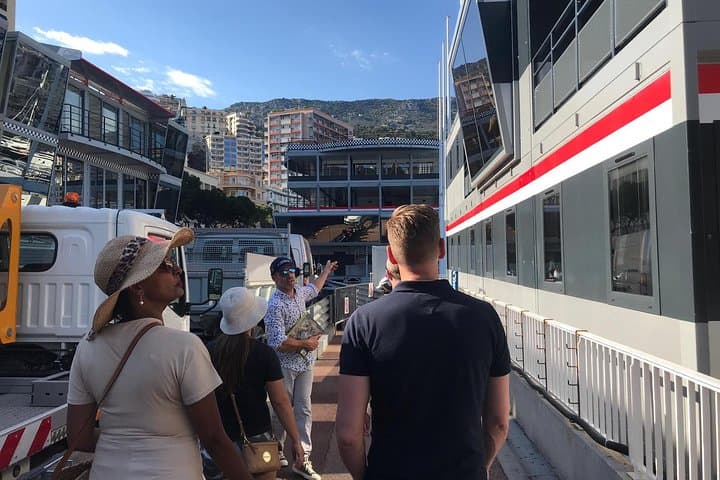
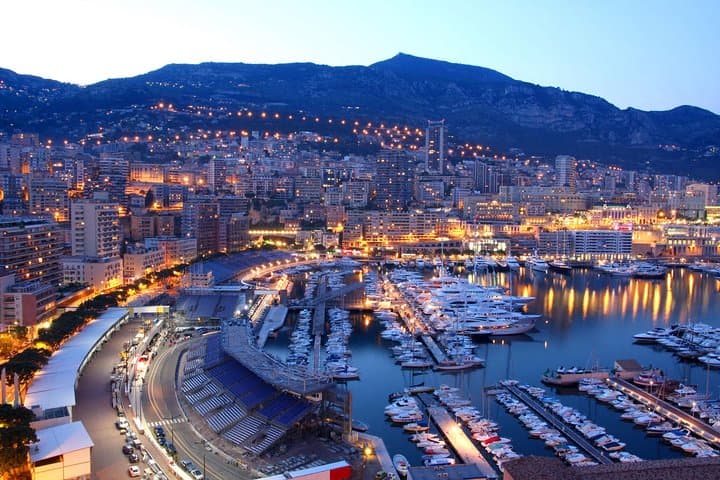
You step out onto asphalt that has held the roar of champions, the harbor’s salt air cutting through the city’s perfume of espresso and engine oil.
You step out onto asphalt that has held the roar of champions, the harbor’s salt air cutting through the city’s perfume of espresso and engine oil.
This 3.3 km walking tour follows the full Monaco Grand Prix circuit — Port Hercules, the tight Casino Square, the famous bend, the tunnel and the start/finish straight — over roughly two hours. The route is urban and not flat: expect short, steep ramps and cobbled sections around the old town that give the circuit its tactical bite.
Monaco’s race dates to 1929; its narrow streets were never built for speed but have been remade each spring into a living racecourse, a cultural event that shaped local hospitality and international glamour. Geologically, you walk on limestone terraces cut into a steep coastal slope where reclaimed land meets historic harbor walls.
Locals mix yachts and sidewalk cafés, while the tunnel’s lights swallow sound and spit it out again — a concrete throat that defines this track’s character. Wear sturdy shoes; watch for live traffic outside race week, and time the walk for morning light when crowds are thin and photos avoid glare.
The guide pauses at key corners with racer anecdotes and safety notes, and will happily stop for pictures. Hydrate, bring a light layer for the tunnel’s contrasting air, and reserve special-event windows if you plan to visit during Grand Prix week when the city becomes a closed circuit.
For fans, this is a practical, sensory primer on one of motorsport’s most famous urban arenas.