THE ADVENTURE COLLECTIVE® · Independent discovery and booking for outdoor travel

See the Louvre’s marquee works and lesser-known treasures with a guide for just six people. This focused two-hour tour pairs close-up viewing with concise context—ideal for first-time visitors who want depth without the marathon.
See the Louvre’s marquee works and lesser-known treasures with a guide for just six people. This focused two-hour tour pairs close-up viewing with concise context—ideal for first-time visitors who want depth without the marathon.
You step through the Louvre’s glass pyramid and the noise of Paris compresses into footsteps on stone. Light spills across the Salle des États where the Mona Lisa waits behind a protective pane; nearby, marble wings of the Winged Victory seem to catch the air itself. In a small-group tour limited to six, the museum opens from a wall of objects into a series of stories told at a human pace.
Verified experiences and guided adventures in the surrounding area.
Operated by VOYAGE · Paris, Île-de-France
You step through the Louvre’s glass pyramid and the noise of Paris compresses into footsteps on stone. Light spills across the Salle des États where the Mona Lisa waits behind a protective pane; nearby, marble wings of the Winged Victory seem to catch the air itself. In a small-group tour limited to six, the museum opens from a wall of objects into a series of stories told at a human pace.
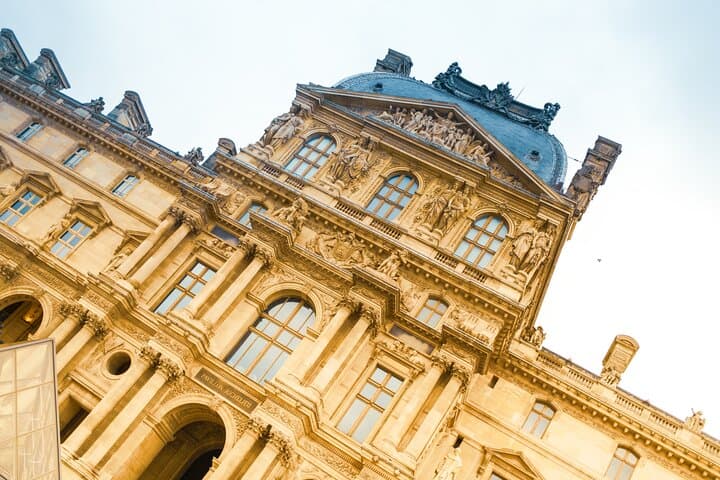
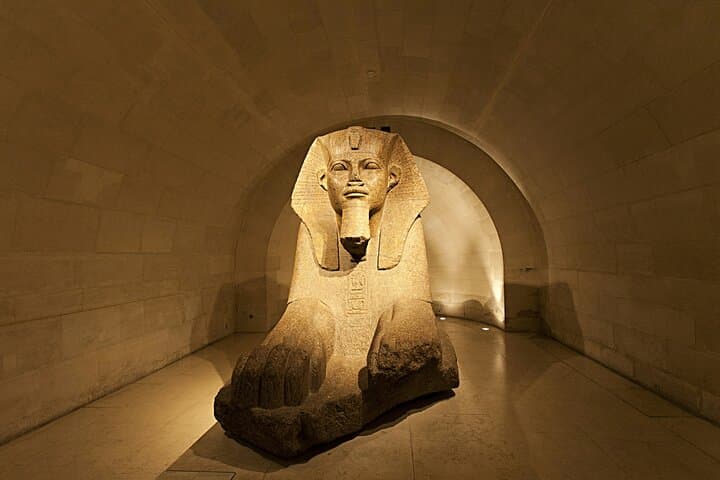
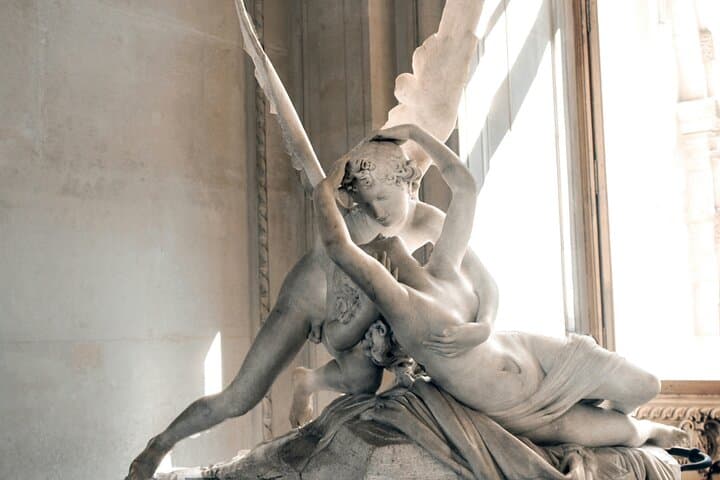
The Louvre occupies a layered history: a medieval fortress transformed into a royal palace, then a museum during the French Revolution. Its galleries sit on Parisian Lutetian limestone and are threaded by corridors that grew with the city’s appetite for empire and art. The collections span ancient Mediterranean sculpture, French and Italian painting, and artifacts that trace cultural exchange across centuries.
Culturally, the Louvre is both national archive and public stage—expect curatorial cross-references, contested histories about acquisition, and works that defined artistic movements. Guides for small groups can illuminate provenance, iconography, and conservation challenges that larger tour sizes often miss.
Practical guidance: the two-hour format prioritizes highlights (Mona Lisa, Venus de Milo, Winged Victory) and contextual storytelling; wear supportive shoes and keep a small bottle of water. Bring ID for reduced/free admission if eligible. Arrive 15–20 minutes early to clear security and meet your guide; bags may be checked. If you prefer quieter galleries, choose early morning or late-day slots on days the museum has extended hours. This tour blends rapid museum navigation with intimate interpretation—efficient, immersive, and grounded in historical context.
easy.
2 hours.
Suitable for most fitness levels; expect moderate walking and standing for up to two hours.
Yes—the advertised price includes the adult museum entrance fee as noted; free admission rules still require valid ID for eligible visitors.
The standard small-group route requires significant walking; guests needing wheelchair access should request a private tour or inform the operator so accommodations can be arranged.
Strollers are allowed but can be cumbersome in busy rooms; large luggage is not permitted and may be refused at security—travel light.
If the minimum isn’t met, the operator will propose an alternate time or issue a full refund according to the cancellation policy.
The Louvre began as a 12th-century fortress and evolved through royal expansions into the palace that became France’s national museum after the Revolution.
The museum practices active conservation with specialists working on-site; visitors can support preservation by following photography rules and not touching objects.
VOYAGE operates guided outdoor trips and adventures with an emphasis on safety, stewardship, and memorable experiences.
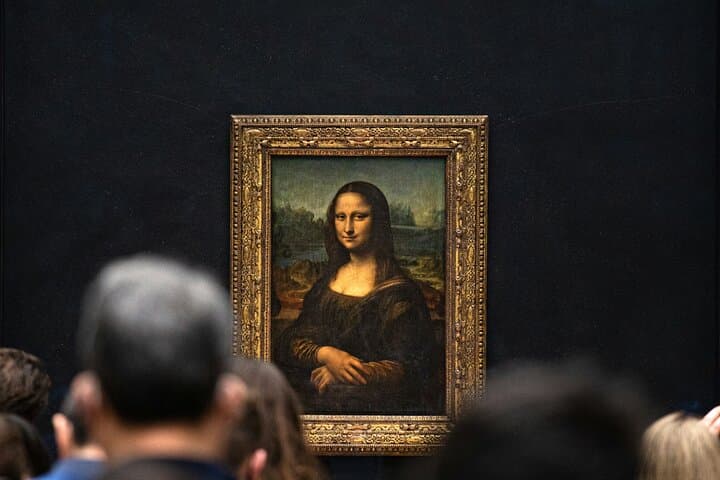
You step through the Louvre’s glass pyramid and the noise of Paris compresses into footsteps on stone. Light spills across the Salle des États where the Mona Lisa waits behind a protective pane; nearby, marble wings of the Winged Victory seem to catch the air itself. In a small-group tour limited to six, the museum opens from a wall of objects into a series of stories told at a human pace.
You step through the Louvre’s glass pyramid and the noise of Paris compresses into footsteps on stone. Light spills across the Salle des États where the Mona Lisa waits behind a protective pane; nearby, marble wings of the Winged Victory seem to catch the air itself. In a small-group tour limited to six, the museum opens from a wall of objects into a series of stories told at a human pace.
The Louvre occupies a layered history: a medieval fortress transformed into a royal palace, then a museum during the French Revolution. Its galleries sit on Parisian Lutetian limestone and are threaded by corridors that grew with the city’s appetite for empire and art. The collections span ancient Mediterranean sculpture, French and Italian painting, and artifacts that trace cultural exchange across centuries.
Culturally, the Louvre is both national archive and public stage—expect curatorial cross-references, contested histories about acquisition, and works that defined artistic movements. Guides for small groups can illuminate provenance, iconography, and conservation challenges that larger tour sizes often miss.
Practical guidance: the two-hour format prioritizes highlights (Mona Lisa, Venus de Milo, Winged Victory) and contextual storytelling; wear supportive shoes and keep a small bottle of water. Bring ID for reduced/free admission if eligible. Arrive 15–20 minutes early to clear security and meet your guide; bags may be checked. If you prefer quieter galleries, choose early morning or late-day slots on days the museum has extended hours. This tour blends rapid museum navigation with intimate interpretation—efficient, immersive, and grounded in historical context.