THE ADVENTURE COLLECTIVE® · Independent discovery and booking for outdoor travel

Trace Mombasa’s maritime past and restored wilds on a full‑day guided loop from the Tusks to Fort Jesus and Haller Park. Expect historical forts, rehabilitated parklands, and easy walking between coastal highlights.
Trace Mombasa’s maritime past and restored wilds on a full‑day guided loop from the Tusks to Fort Jesus and Haller Park. Expect historical forts, rehabilitated parklands, and easy walking between coastal highlights.
A salt breeze stirs the palms as your air‑conditioned vehicle eases away from Mombasa’s harbor. Narrow streets open to the Mombasa Tusks, a quick photo stop, then you’re led toward Fort Jesus — its red stone walls rising like a holdfast from the coastal plain. The tour moves with purpose: cultural stops, a rehabilitated quarry turned wildlife refuge, and quieter parks where archaeology peeks through the grass.
Verified experiences and guided adventures in the surrounding area.
Operated by Mamistravel Limited · Mombasa, Mombasa County
A salt breeze stirs the palms as your air‑conditioned vehicle eases away from Mombasa’s harbor. Narrow streets open to the Mombasa Tusks, a quick photo stop, then you’re led toward Fort Jesus — its red stone walls rising like a holdfast from the coastal plain. The tour moves with purpose: cultural stops, a rehabilitated quarry turned wildlife refuge, and quieter parks where archaeology peeks through the grass.
Mombasa’s story is layered—Portuguese forts, Omani trade routes and British colonial ports left forts, mosques, temples and markets. Geologically, the coastline is coral limestone and reef fragments; Fort Jesus itself stands on coral rag mixed with imported stone, a durable record of the city’s maritime role. Haller Park, once a quarry, is now a lesson in ecological repair: mangroves, introduced fig and casuarina corridors, and enclosures for giraffes, hippos and tortoises show how targeted restoration reshapes an urban coast.
On tour you’ll spend moderate stretches on foot across mixed terrain: paved promenades, park paths and flat archaeological grounds. Guides point out cultural landmarks—the Hindu temple brought from Gujarat in the 1960s, Swahili urban patterns, and local uses of coral stone.
Practical guidance: bring sun protection and comfortable walking shoes, carry water (some provided), and plan the visit in the morning to avoid midday heat. Expect roughly 7 hours of guided time with short walks between sites, historical narration and a 90‑minute Fort Jesus visit. This experience pairs city history with approachable wildlife viewing and local insights into coastal conservation.
moderate.
7 hours.
Moderate fitness: able to walk 2–4 miles over the day with standing and short stair sections.
Yes—this tour lists Fort Jesus admission as included; your guide will coordinate entry and timed visits.
Expect several short walks totaling 2–4 miles over flat to gently uneven surfaces; the tour is rated moderate.
Yes—Haller Park is a rehabilitated reserve with enclosures and viewing areas for giraffes, hippos, tortoises and birds; encounters are generally observational.
Infants and small children can use strollers as noted, but some sites have steps or uneven terrain where carrying may be easier.
Mombasa’s port has been contested since the 16th century; Fort Jesus (built by the Portuguese) anchors the city’s colonial and maritime history and is a UNESCO site.
Haller Park is a high‑profile example of quarry rehabilitation—tourism supports ongoing habitat management, but visitors should avoid feeding wildlife and minimize plastic use.
Mamistravel Limited operates guided outdoor trips and adventures with an emphasis on safety, stewardship, and memorable experiences.
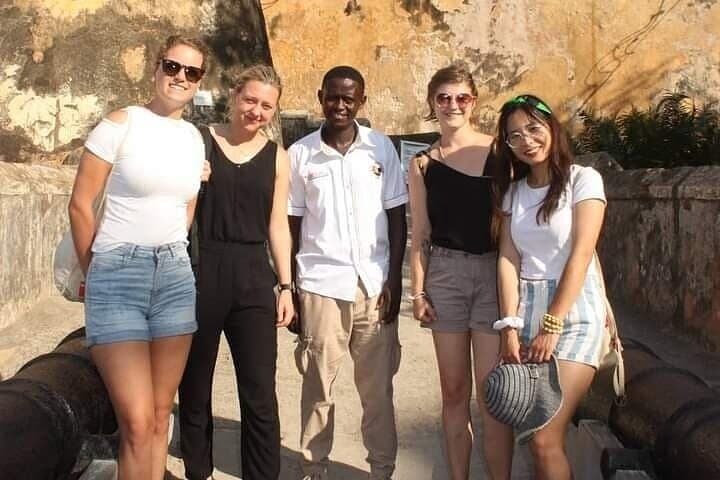
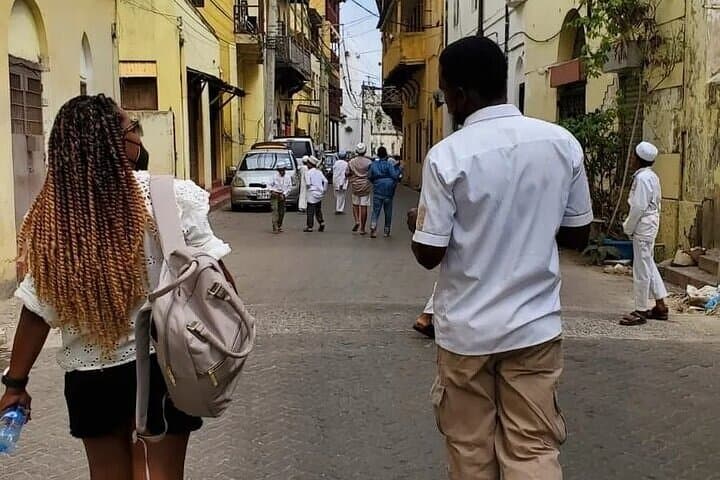
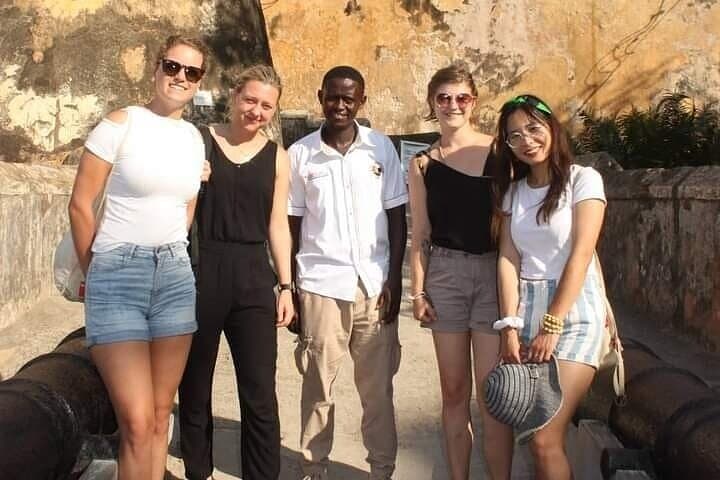
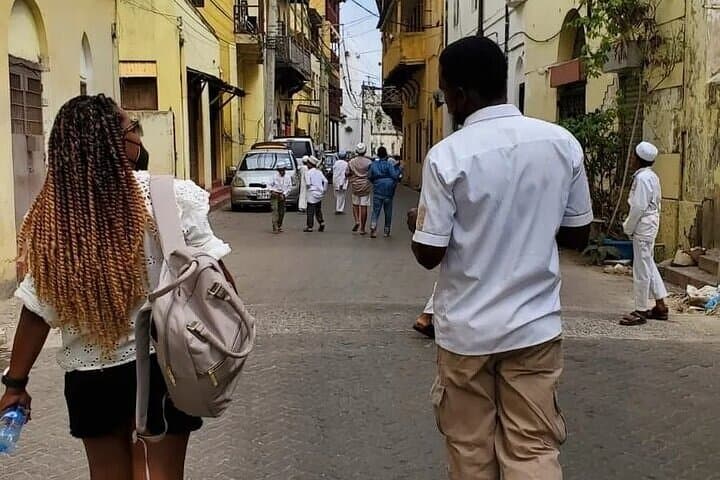
A salt breeze stirs the palms as your air‑conditioned vehicle eases away from Mombasa’s harbor. Narrow streets open to the Mombasa Tusks, a quick photo stop, then you’re led toward Fort Jesus — its red stone walls rising like a holdfast from the coastal plain. The tour moves with purpose: cultural stops, a rehabilitated quarry turned wildlife refuge, and quieter parks where archaeology peeks through the grass.
A salt breeze stirs the palms as your air‑conditioned vehicle eases away from Mombasa’s harbor. Narrow streets open to the Mombasa Tusks, a quick photo stop, then you’re led toward Fort Jesus — its red stone walls rising like a holdfast from the coastal plain. The tour moves with purpose: cultural stops, a rehabilitated quarry turned wildlife refuge, and quieter parks where archaeology peeks through the grass.
Mombasa’s story is layered—Portuguese forts, Omani trade routes and British colonial ports left forts, mosques, temples and markets. Geologically, the coastline is coral limestone and reef fragments; Fort Jesus itself stands on coral rag mixed with imported stone, a durable record of the city’s maritime role. Haller Park, once a quarry, is now a lesson in ecological repair: mangroves, introduced fig and casuarina corridors, and enclosures for giraffes, hippos and tortoises show how targeted restoration reshapes an urban coast.
On tour you’ll spend moderate stretches on foot across mixed terrain: paved promenades, park paths and flat archaeological grounds. Guides point out cultural landmarks—the Hindu temple brought from Gujarat in the 1960s, Swahili urban patterns, and local uses of coral stone.
Practical guidance: bring sun protection and comfortable walking shoes, carry water (some provided), and plan the visit in the morning to avoid midday heat. Expect roughly 7 hours of guided time with short walks between sites, historical narration and a 90‑minute Fort Jesus visit. This experience pairs city history with approachable wildlife viewing and local insights into coastal conservation.