THE ADVENTURE COLLECTIVE® · Independent discovery and booking for outdoor travel

See modern art at MoMA and natural history at AMNH with a single mobile ticket. Scan the QR for entry—MoMA offers skip-the-line access while AMNH requires ticket exchange at the admissions desk.
See modern art at MoMA and natural history at AMNH with a single mobile ticket. Scan the QR for entry—MoMA offers skip-the-line access while AMNH requires ticket exchange at the admissions desk.
You step off a Midtown sidewalk into a stream of people and light: MoMA’s glass façade reflects taxis and billboards while, a few miles uptown, the stone columns of the American Museum of Natural History loom beside Central Park. Scan your QR at MoMA, move through the security check, and suddenly you’re amid Van Gogh’s brushwork and modernist shocks; later, AMNH’s vaulted halls put you face-to-face with a blue whale model and towering dinosaur skeletons that seem to challenge the city’s verticality.
Verified experiences and guided adventures in the surrounding area.
Operated by Travity · New York City, NY
You step off a Midtown sidewalk into a stream of people and light: MoMA’s glass façade reflects taxis and billboards while, a few miles uptown, the stone columns of the American Museum of Natural History loom beside Central Park. Scan your QR at MoMA, move through the security check, and suddenly you’re amid Van Gogh’s brushwork and modernist shocks; later, AMNH’s vaulted halls put you face-to-face with a blue whale model and towering dinosaur skeletons that seem to challenge the city’s verticality.
Both institutions are milestones of New York’s cultural growth: MoMA opened in 1929 and helped define modern art’s public life, while AMNH, founded in 1869, grew from private collections into one of the world’s great natural-history repositories. Geology and biology thread through both—gems and meteorites at AMNH, photography and material studies at MoMA—offering scientific and artistic context in one day.
Practical guidance: these vouchers are mobile—scan the QR at entry. MoMA functions as skip-the-line for general admission but you still queue for security; AMNH requires you to exchange the barcode at the admissions desk for an AMNH ticket. Allow 2–5 hours total depending on how deeply you explore; families and visitors with strollers will find accessible routes and elevators at both sites.
Timing matters: visit MoMA early to reduce crowds, save AMNH for a quieter afternoon, and factor transit time between Midtown and the Upper West Side. Carry a compact bag, a charged phone for digital tickets, and an appetite for discovery—this combo stitches art and science into a single Manhattan day.
easy.
2–5 hours.
Suitable for all fitness levels; requires a moderate amount of walking and stairs/ramps in galleries
No prior reservation is required for either museum; tickets are one-time use mobile vouchers—scan to enter MoMA and exchange at AMNH admissions.
MoMA’s ticket bypasses the general admission ticket line but you still must pass through security screening, which can create a short queue.
Yes—many visitors do; plan at least 2–5 hours total and factor 20–40 minutes of travel between Midtown and the Upper West Side.
All sales are final per the ticket terms—there are no refunds for cancellations.
MoMA helped formalize modern art’s public presence after 1929; AMNH began as a private collection in 1869 and expanded into a global research institution.
Both museums run conservation labs and public programs—avoid flash photography and respect exhibit rules to help preserve fragile works and specimens.
Travity operates guided outdoor trips and adventures with an emphasis on safety, stewardship, and memorable experiences.
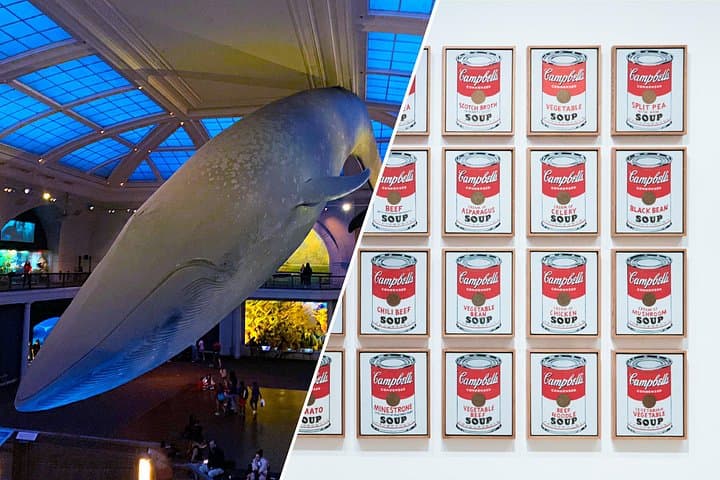
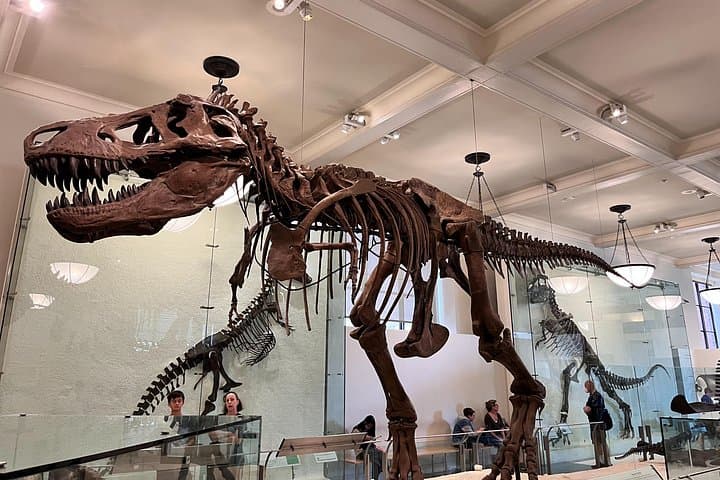
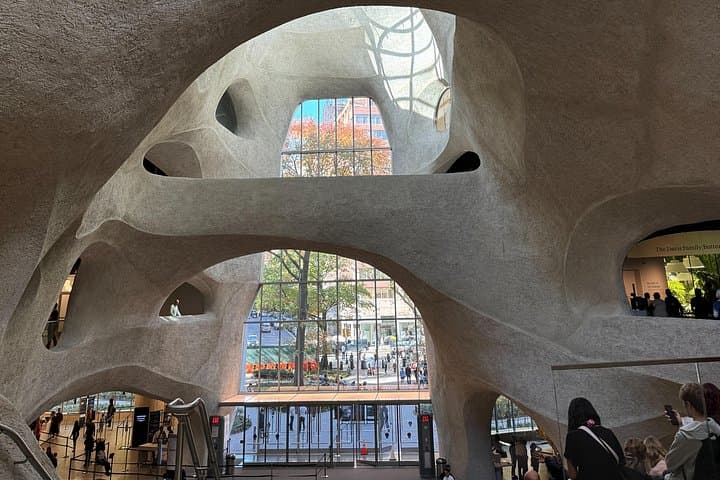
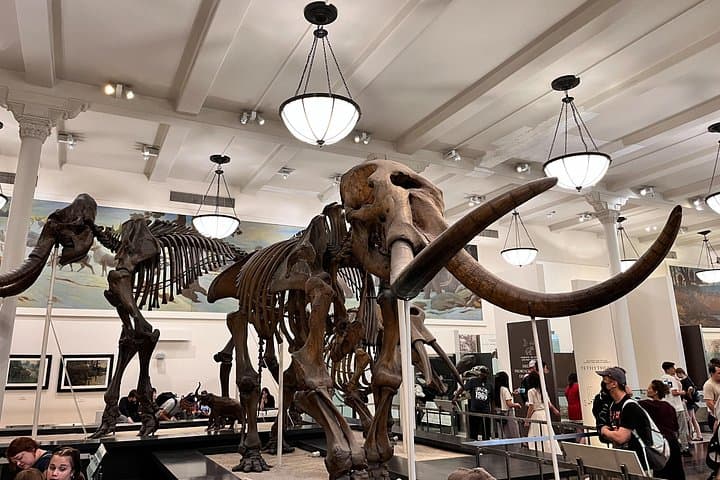
You step off a Midtown sidewalk into a stream of people and light: MoMA’s glass façade reflects taxis and billboards while, a few miles uptown, the stone columns of the American Museum of Natural History loom beside Central Park. Scan your QR at MoMA, move through the security check, and suddenly you’re amid Van Gogh’s brushwork and modernist shocks; later, AMNH’s vaulted halls put you face-to-face with a blue whale model and towering dinosaur skeletons that seem to challenge the city’s verticality.
You step off a Midtown sidewalk into a stream of people and light: MoMA’s glass façade reflects taxis and billboards while, a few miles uptown, the stone columns of the American Museum of Natural History loom beside Central Park. Scan your QR at MoMA, move through the security check, and suddenly you’re amid Van Gogh’s brushwork and modernist shocks; later, AMNH’s vaulted halls put you face-to-face with a blue whale model and towering dinosaur skeletons that seem to challenge the city’s verticality.
Both institutions are milestones of New York’s cultural growth: MoMA opened in 1929 and helped define modern art’s public life, while AMNH, founded in 1869, grew from private collections into one of the world’s great natural-history repositories. Geology and biology thread through both—gems and meteorites at AMNH, photography and material studies at MoMA—offering scientific and artistic context in one day.
Practical guidance: these vouchers are mobile—scan the QR at entry. MoMA functions as skip-the-line for general admission but you still queue for security; AMNH requires you to exchange the barcode at the admissions desk for an AMNH ticket. Allow 2–5 hours total depending on how deeply you explore; families and visitors with strollers will find accessible routes and elevators at both sites.
Timing matters: visit MoMA early to reduce crowds, save AMNH for a quieter afternoon, and factor transit time between Midtown and the Upper West Side. Carry a compact bag, a charged phone for digital tickets, and an appetite for discovery—this combo stitches art and science into a single Manhattan day.