THE ADVENTURE COLLECTIVE® · Independent discovery and booking for outdoor travel

A five-hour sail from Maalaea Harbor delivers you to Molokini’s crescent crater for some of Maui’s clearest snorkeling. Expect guided instruction, flotation options for non-swimmers, onboard lunch and drinks, and excellent chances of seeing turtles, tropical fish—and winter humpbacks.
A five-hour sail from Maalaea Harbor delivers you to Molokini’s crescent crater for some of Maui’s clearest snorkeling. Expect guided instruction, flotation options for non-swimmers, onboard lunch and drinks, and excellent chances of seeing turtles, tropical fish—and winter humpbacks.
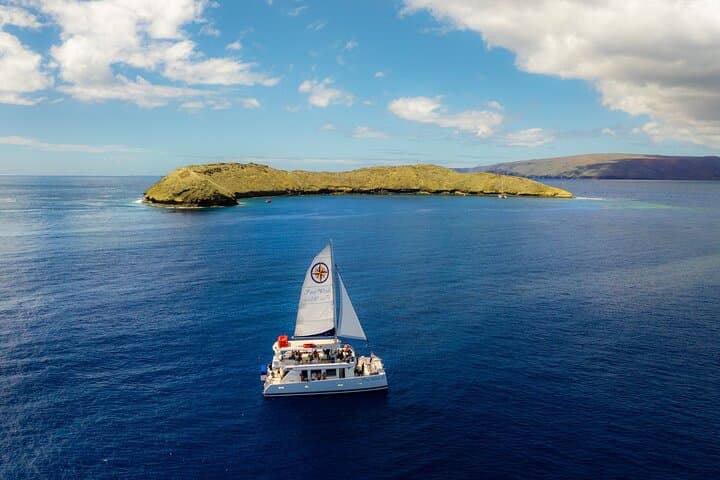
You step off the wharf at Maalaea Harbor before sunrise and the harbor breathes in salt and diesel: a low hum of fishermen, the snap of rigging, the captain calling a quick welcome. The boat eases away from slip #80 and the coastline blurs—palm-fringed beaches give way to open blue. Molokini appears like a black crescent on the horizon, its rim cutting the sea into two different blues; by the time the sun climbs, the crater’s reef is a living mosaic under glassy water.
Verified experiences and guided adventures in the surrounding area.
Operated by Maui Classic Charters · Maalaea, Hawaii
You step off the wharf at Maalaea Harbor before sunrise and the harbor breathes in salt and diesel: a low hum of fishermen, the snap of rigging, the captain calling a quick welcome. The boat eases away from slip #80 and the coastline blurs—palm-fringed beaches give way to open blue. Molokini appears like a black crescent on the horizon, its rim cutting the sea into two different blues; by the time the sun climbs, the crater’s reef is a living mosaic under glassy water.
Molokini is not a coral atoll but a submerged volcanic tuff cone—a remnant of eruptions that shaped Maui’s southern flank thousands of years ago. The crater’s protected interior creates calmer water and high visibility that reefs and reef-fish favour. Cultural links run deeper: Hawaiian fishpond and coastal stewardship traditions have shaped the way locals view this place; today the Molokini Marine Life Conservation District limits anchors and enforces reef protections to give corals room to recover.
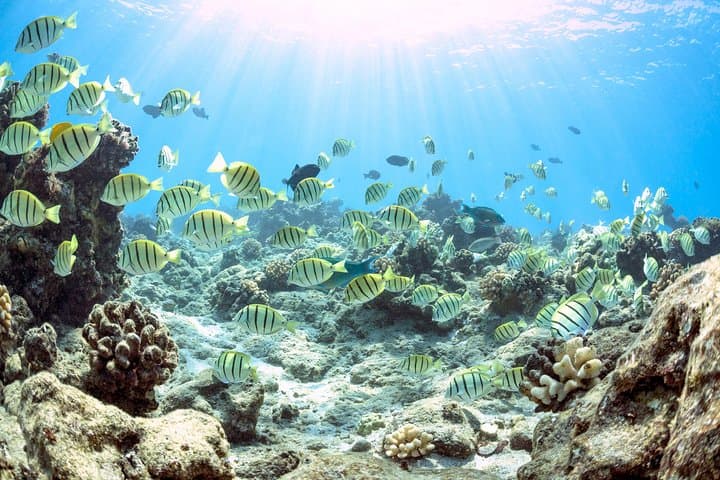
On a typical Five-hour trip from Maalaea, the boat crosses roughly 7 nautical miles to the crater where guides hand out masks and flotation belts, give orientation, and shepherd groups into the water. Below the surface, parrotfish chew at coral edges, butterflyfish dart like punctuation, and the occasional honu (green sea turtle) glides through columns of light. In winter months—December through March—vessels trade some of their snorkeling time for whale watching as humpbacks surface and tail-slap not far from the crater.
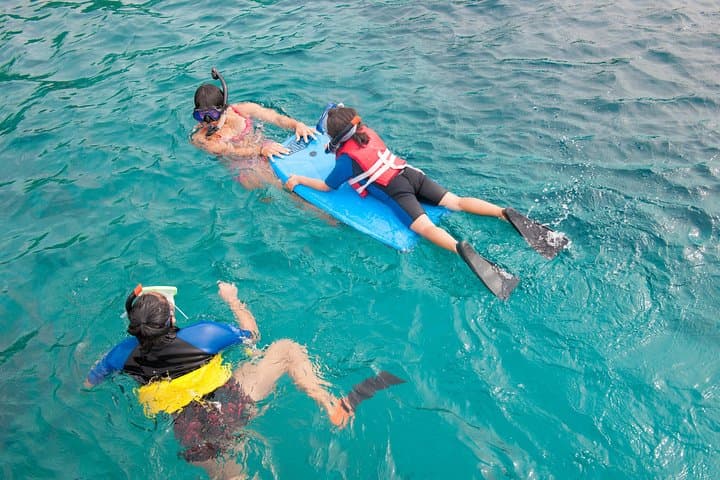
The experience leans practical: flotation belts and life vests for kids, clear-bottom sea boards for non-swimmers, and on-deck sun and lunch service make a day at sea low-stress. Still, the ocean has moods. Morning trips tend to be the slickest; afternoons can bring chop from trade winds. The company’s policy is safety-first—snorkel locations are weather-dependent and guides will adjust for conditions.
Plan like a local: arrive early to scan the QR code for metered parking at Maalaea, bring reef-safe sunscreen, and take motion-sickness medication if you are sensitive. Wear a thin rash guard for sun protection and bring a waterproof camera or plan to buy photos onboard.
Why go? Molokini offers an efficient, high-reward window into Hawaiian reef life—five hours to a concentrated underwater theater with experienced guides, flotation options for all swim levels, and the chance of winter whale sightings. Book early for morning departures, pack smart, and let the crater’s rim pull you into one of Maui’s clearest classrooms of ocean life.
easy.
5 hours.
Light fitness required—ability to climb a ladder, enter/exit the water, and stand unaided for short periods.
No—flotation belts and life vests are available, and guides accommodate non-swimmers with clear-bottom sea boards and close supervision.
Bring a government ID, reef-safe sunscreen, hat, swimsuit, towel, and a small waterproof bag for valuables; parking is metered and paid by QR code.
Yes—snorkeling runs year-round but winter (Dec–Mar) can offer whale sightings and occasionally larger swells; operators may adjust the itinerary for safety.
Yes—masks, snorkels and fins are included, along with flotation belts for adults and life vests for children.
Young children wear life vests and must be accompanied by an adult; infants are required to sit on an adult's lap during the trip.
Trips are weather-dependent; the operator may cancel for safety and offers a full refund if canceled at least 24 hours before departure.
Molokini is a volcanic tuff cone formed by marine eruptions; today it’s designated a Marine Life Conservation District to protect its reefs.
Strict no-touch and no-anchoring rules apply inside the conservation district—use reef-safe sunscreen and avoid disturbing marine life to help reefs recover.
Maui Classic Charters operates guided outdoor trips and adventures with an emphasis on safety, stewardship, and memorable experiences.
You step off the wharf at Maalaea Harbor before sunrise and the harbor breathes in salt and diesel: a low hum of fishermen, the snap of rigging, the captain calling a quick welcome. The boat eases away from slip #80 and the coastline blurs—palm-fringed beaches give way to open blue. Molokini appears like a black crescent on the horizon, its rim cutting the sea into two different blues; by the time the sun climbs, the crater’s reef is a living mosaic under glassy water.
You step off the wharf at Maalaea Harbor before sunrise and the harbor breathes in salt and diesel: a low hum of fishermen, the snap of rigging, the captain calling a quick welcome. The boat eases away from slip #80 and the coastline blurs—palm-fringed beaches give way to open blue. Molokini appears like a black crescent on the horizon, its rim cutting the sea into two different blues; by the time the sun climbs, the crater’s reef is a living mosaic under glassy water.
Molokini is not a coral atoll but a submerged volcanic tuff cone—a remnant of eruptions that shaped Maui’s southern flank thousands of years ago. The crater’s protected interior creates calmer water and high visibility that reefs and reef-fish favour. Cultural links run deeper: Hawaiian fishpond and coastal stewardship traditions have shaped the way locals view this place; today the Molokini Marine Life Conservation District limits anchors and enforces reef protections to give corals room to recover.
On a typical Five-hour trip from Maalaea, the boat crosses roughly 7 nautical miles to the crater where guides hand out masks and flotation belts, give orientation, and shepherd groups into the water. Below the surface, parrotfish chew at coral edges, butterflyfish dart like punctuation, and the occasional honu (green sea turtle) glides through columns of light. In winter months—December through March—vessels trade some of their snorkeling time for whale watching as humpbacks surface and tail-slap not far from the crater.
The experience leans practical: flotation belts and life vests for kids, clear-bottom sea boards for non-swimmers, and on-deck sun and lunch service make a day at sea low-stress. Still, the ocean has moods. Morning trips tend to be the slickest; afternoons can bring chop from trade winds. The company’s policy is safety-first—snorkel locations are weather-dependent and guides will adjust for conditions.
Plan like a local: arrive early to scan the QR code for metered parking at Maalaea, bring reef-safe sunscreen, and take motion-sickness medication if you are sensitive. Wear a thin rash guard for sun protection and bring a waterproof camera or plan to buy photos onboard.
Why go? Molokini offers an efficient, high-reward window into Hawaiian reef life—five hours to a concentrated underwater theater with experienced guides, flotation options for all swim levels, and the chance of winter whale sightings. Book early for morning departures, pack smart, and let the crater’s rim pull you into one of Maui’s clearest classrooms of ocean life.