THE ADVENTURE COLLECTIVE® · Independent discovery and booking for outdoor travel

A fast, 2.5-hour run from Kihei that combines close-in whale watching with an hour of snorkeling inside Molokini’s clear crater waters. Expect active seas, hydrophone whale song, and a compact, expert-led experience ideal for travelers short on time.
A fast, 2.5-hour run from Kihei that combines close-in whale watching with an hour of snorkeling inside Molokini’s clear crater waters. Expect active seas, hydrophone whale song, and a compact, expert-led experience ideal for travelers short on time.
The ramp at Kihei smells of salt and sun-warmed fiberglass. By the time the rigid-hulled inflatable slices away from the dock, the harbor’s chatter falls behind and the ocean opens into a working theater: spouts punctuate the horizon, dorsal fins arc like punctuation, and the captain eases the throttle toward pod traffic. On this quick-but-rich 2.5-hour run, the sea alternates roles—first a thoroughfare for humpbacks, then a glassy window into coral gardens at Molokini.
Verified experiences and guided adventures in the surrounding area.
Operated by Blue Water Rafting · Kihei, Hawaii
The ramp at Kihei smells of salt and sun-warmed fiberglass. By the time the rigid-hulled inflatable slices away from the dock, the harbor’s chatter falls behind and the ocean opens into a working theater: spouts punctuate the horizon, dorsal fins arc like punctuation, and the captain eases the throttle toward pod traffic. On this quick-but-rich 2.5-hour run, the sea alternates roles—first a thoroughfare for humpbacks, then a glassy window into coral gardens at Molokini.
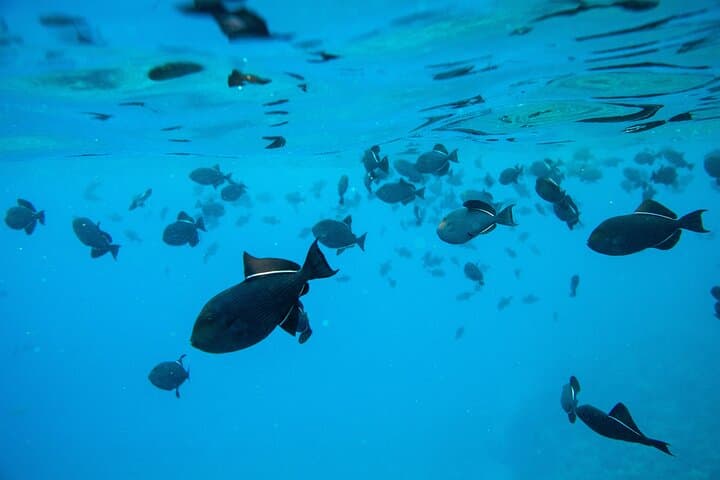
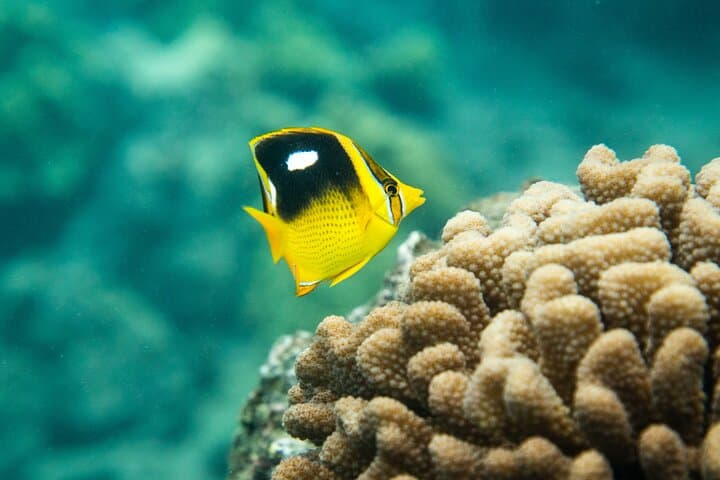
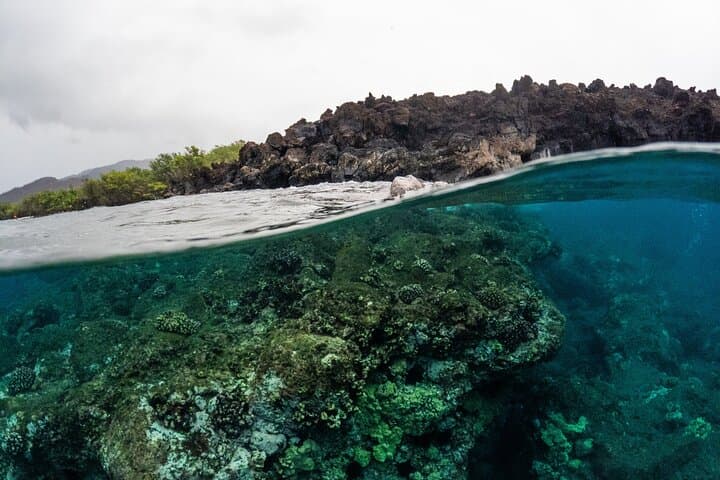
Molokini is a crescent of volcanic tuff, the submerged remnant of an explosive eruption that left a ring rising from deep water. The crater’s steep walls shelter clear, nutrient-poor water that promotes visibility rather than massive fish biomass—perfect for one-hour surface snorkeling where reef fish, eels, and coral bommies sit in sharp relief. Offshore, the waters between Maui and Kahoʻolawe are a known nursery: humpback whales migrate from Alaska each winter to mate, calve, and teach their young. Local crews treat those encounters with a mix of scientific curiosity and aloha—hydrophones are lowered so passengers can hear whale song like an underwater radio.
The trip also sits in a cultural current. Hawaiians have long read the ocean’s moods to travel, fish, and navigate. Modern operators on Maui balance visitor access with long-standing stewardship principles—visitors are asked to respect wildlife distance guidelines and to use reef-safe sunscreen to protect coral that has taken centuries to form.
Practically: plan to check in 15–30 minutes before departure at the Kihei boat ramp (2800 S Kihei Rd). The itinerary typically devotes about 90 minutes to passage and whale watching and roughly 60 minutes to snorkeling at Molokini; weather or swell can change the plan and the operator may choose a shoreline alternate if conditions aren’t safe.
Expect ocean motion—this is an offshore trip on a fast RHIB. Bring sun protection, a snug-fitting snorkel mask (though equipment is usually provided), and a waterproof camera or housing if you want close photos; keep in mind the best photos of whales will be from the deck rather than underwater. Hydrate, consider a motion-sickness remedy if you’re sensitive, and wear shoes that can get wet when boarding.
For photographers and naturalists, the combination of marine mammals and a crisp underwater visibility makes this one of Maui’s most efficient nature outings—short on time but high on encounters. The whales approach, the hydrophone hums, and the crater waits below—this is an ocean that invites attention and rewards preparation.
moderate.
2–3 hours.
Suitable for most fitness levels but requires ability to board small boats, swim at surface, and manage movement on unstable decks.
Yes—mask, snorkel, and fins are provided; you may bring your own fit-for-you mask for better comfort.
Operators aim to reach Molokini but will choose a safer shoreline alternate if conditions or visibility make the crater unsafe.
The tour is suitable for most ages but no child under 4 unless approved; the operator notes wheelchair-accessible transportation and some accessibility accommodations—confirm specifics at booking.
Whales sometimes surface within yards of the boat but federal and state guidelines prohibit approaching or touching; crews maintain legal distances and brief passengers on safety.
This tour’s policy is all sales final, but the operator cancels for unsafe weather and will not charge if the trip is canceled for that reason—confirm at booking for specifics.
Yes—participants can opt to stay on board during snorkeling, and flotation devices are provided for surface snorkelers; notify staff if you’re a non-swimmer so they can assist.
Molokini is a partially submerged tuff cone formed by explosive eruptions thousands of years ago; Hawaiian waters have hosted seasonal humpback migrations for generations and remain an important cultural and biological corridor.
Operators emphasize reef-safe practices and minimal disturbance to whales; use reef-safe sunscreen, avoid touching coral or marine animals, and respect vessel distance rules to reduce impacts.
Blue Water Rafting operates guided outdoor trips and adventures with an emphasis on safety, stewardship, and memorable experiences.
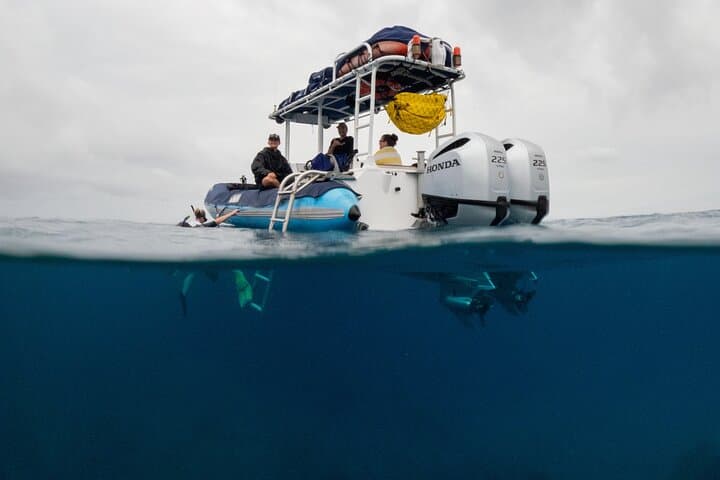
The ramp at Kihei smells of salt and sun-warmed fiberglass. By the time the rigid-hulled inflatable slices away from the dock, the harbor’s chatter falls behind and the ocean opens into a working theater: spouts punctuate the horizon, dorsal fins arc like punctuation, and the captain eases the throttle toward pod traffic. On this quick-but-rich 2.5-hour run, the sea alternates roles—first a thoroughfare for humpbacks, then a glassy window into coral gardens at Molokini.
The ramp at Kihei smells of salt and sun-warmed fiberglass. By the time the rigid-hulled inflatable slices away from the dock, the harbor’s chatter falls behind and the ocean opens into a working theater: spouts punctuate the horizon, dorsal fins arc like punctuation, and the captain eases the throttle toward pod traffic. On this quick-but-rich 2.5-hour run, the sea alternates roles—first a thoroughfare for humpbacks, then a glassy window into coral gardens at Molokini.
Molokini is a crescent of volcanic tuff, the submerged remnant of an explosive eruption that left a ring rising from deep water. The crater’s steep walls shelter clear, nutrient-poor water that promotes visibility rather than massive fish biomass—perfect for one-hour surface snorkeling where reef fish, eels, and coral bommies sit in sharp relief. Offshore, the waters between Maui and Kahoʻolawe are a known nursery: humpback whales migrate from Alaska each winter to mate, calve, and teach their young. Local crews treat those encounters with a mix of scientific curiosity and aloha—hydrophones are lowered so passengers can hear whale song like an underwater radio.
The trip also sits in a cultural current. Hawaiians have long read the ocean’s moods to travel, fish, and navigate. Modern operators on Maui balance visitor access with long-standing stewardship principles—visitors are asked to respect wildlife distance guidelines and to use reef-safe sunscreen to protect coral that has taken centuries to form.
Practically: plan to check in 15–30 minutes before departure at the Kihei boat ramp (2800 S Kihei Rd). The itinerary typically devotes about 90 minutes to passage and whale watching and roughly 60 minutes to snorkeling at Molokini; weather or swell can change the plan and the operator may choose a shoreline alternate if conditions aren’t safe.
Expect ocean motion—this is an offshore trip on a fast RHIB. Bring sun protection, a snug-fitting snorkel mask (though equipment is usually provided), and a waterproof camera or housing if you want close photos; keep in mind the best photos of whales will be from the deck rather than underwater. Hydrate, consider a motion-sickness remedy if you’re sensitive, and wear shoes that can get wet when boarding.
For photographers and naturalists, the combination of marine mammals and a crisp underwater visibility makes this one of Maui’s most efficient nature outings—short on time but high on encounters. The whales approach, the hydrophone hums, and the crater waits below—this is an ocean that invites attention and rewards preparation.