THE ADVENTURE COLLECTIVE® · Independent discovery and booking for outdoor travel

A quieter alternative to Poon Hill, the Mohare Hill Private Guided Trek delivers sunrise panoramas of Annapurna and Dhaulagiri across rhododendron forests and Gurung villages. This guided 10-day route combines cultural encounters, teahouse stays and high ridge viewpoints without the crowds.
A quieter alternative to Poon Hill, the Mohare Hill Private Guided Trek delivers sunrise panoramas of Annapurna and Dhaulagiri across rhododendron forests and Gurung villages. This guided 10-day route combines cultural encounters, teahouse stays and high ridge viewpoints without the crowds.
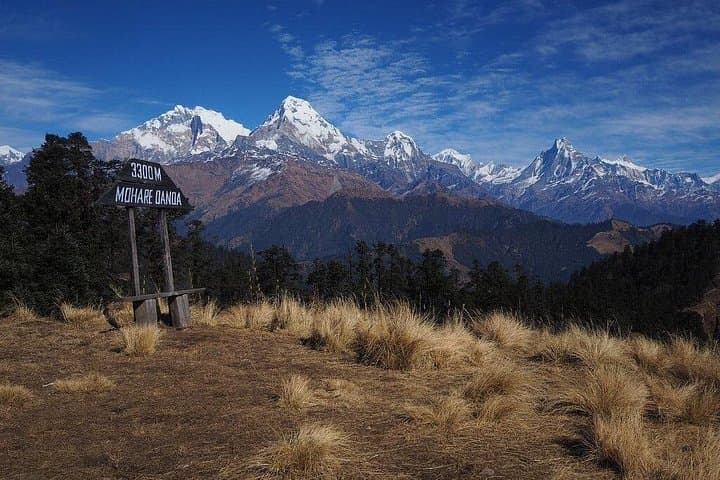
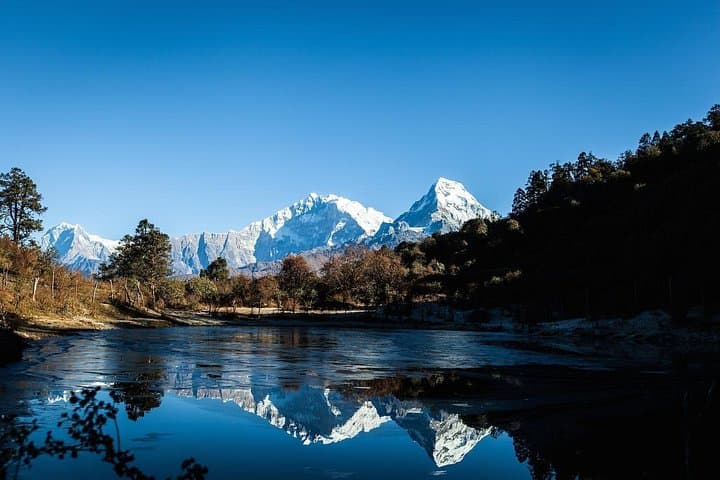
The trail opens with mist lifting off terraced fields and oak trunks standing like quiet guides as you push into the Annapurna foothills. Morning light finds its way through rhododendron and oak, and by the time you crest Mohare Danda the Himalaya line up like an old, patient audience: Dhaulagiri, Annapurna South, Hiunchuli and the distinctive Machhapuchhre.
Verified experiences and guided adventures in the surrounding area.
Operated by Altitude Himalaya · Pokhara, Gandaki Province
The trail opens with mist lifting off terraced fields and oak trunks standing like quiet guides as you push into the Annapurna foothills. Morning light finds its way through rhododendron and oak, and by the time you crest Mohare Danda the Himalaya line up like an old, patient audience: Dhaulagiri, Annapurna South, Hiunchuli and the distinctive Machhapuchhre.
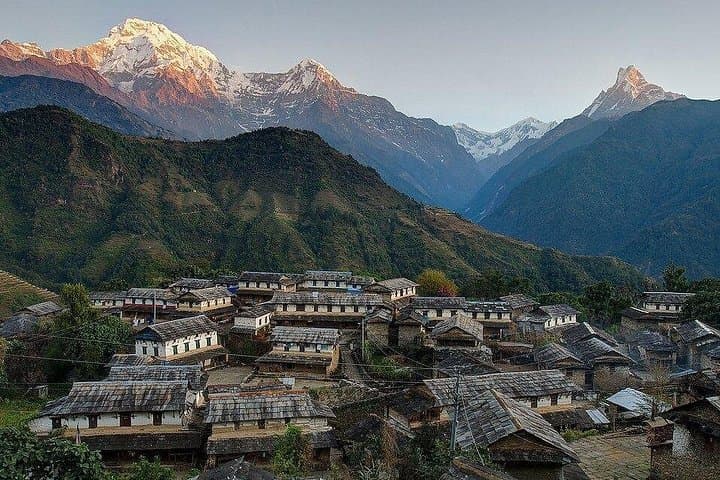
This route runs along the western edge of the Annapurna Conservation Area and threads traditional Gurung and Magar villages. The landscape is young geology—steep river-cut valleys and uplifted ridgelines—shaped by the collision of the Indian and Eurasian plates. Cultural notes are immediate: stone houses, slate-roofed teahouses, and small community farms that practice terrace agriculture and maintain local trails.
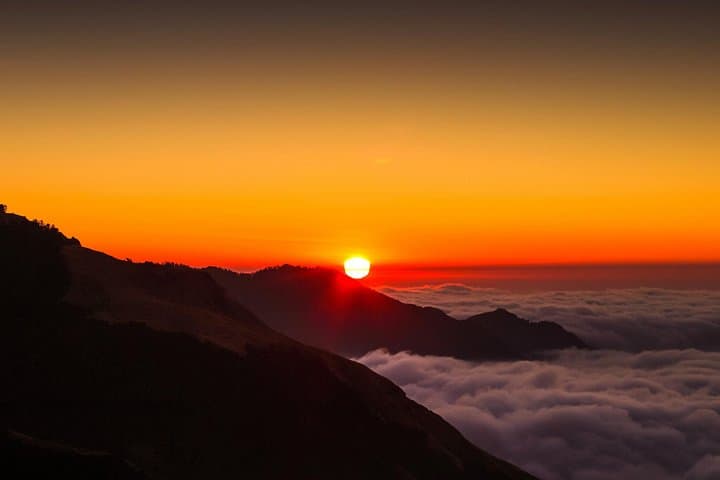
Expect a varied pace: long uphill approaches through mixed forest, short flat stretches past villages, and exposed viewpoints for sunrise and sunset photography. The trek is similar in character to Poon Hill but draws fewer groups, offering quieter mornings and more encounters with village life and organic farms run by local cooperatives.
Practical nuts and bolts: this is a guided, multi-day itinerary (roughly 9–10 days door-to-door) with teahouse accommodation and porter support included. Carry layered clothing for cool dawns, a sturdy pair of trekking boots, and a daypack with water treatment and snacks. Altitude tops out around 3,300 m; pace your ascent and hydrate. Book permits in advance—Annapurna Conservation Area entry and TIMS are required—and plan for variable weather between spring and late autumn.
moderate.
9–10 days.
Expect sustained uphill and downhill walking; good cardiovascular fitness and regular hiking experience are recommended.
Mohare Danda reaches about 3,300 m; most trekkers manage this elevation but you should ascend slowly, stay hydrated, and report symptoms to your guide—rest or descend if dizziness or severe headache occurs.
The itinerary uses local teahouses and lodges with simple rooms and communal dining; meals are usually Nepali and continental options prepared in teahouse kitchens and included as specified in the itinerary.
Yes—Annapurna Conservation Area Project (ACAP) entry and a TIMS card are required; the operator usually arranges these for guided trips and includes the cost in the package.
Spring (March–May) and autumn (September–November) offer the most stable weather and rhododendron blooms or clear post-monsoon skies; the trail is doable in other seasons with proper preparation.
The route crosses traditional Gurung and Magar territories and lies within communities that have long maintained trans-Himalayan trade links and terrace agriculture.
Trek operates inside the Annapurna Conservation Area—stick to marked trails, use local teahouses, and follow ACAP guidelines to minimize impact; reduce plastic waste and respect community resources.
Altitude Himalaya operates guided outdoor trips and adventures with an emphasis on safety, stewardship, and memorable experiences.
The trail opens with mist lifting off terraced fields and oak trunks standing like quiet guides as you push into the Annapurna foothills. Morning light finds its way through rhododendron and oak, and by the time you crest Mohare Danda the Himalaya line up like an old, patient audience: Dhaulagiri, Annapurna South, Hiunchuli and the distinctive Machhapuchhre.
The trail opens with mist lifting off terraced fields and oak trunks standing like quiet guides as you push into the Annapurna foothills. Morning light finds its way through rhododendron and oak, and by the time you crest Mohare Danda the Himalaya line up like an old, patient audience: Dhaulagiri, Annapurna South, Hiunchuli and the distinctive Machhapuchhre.
This route runs along the western edge of the Annapurna Conservation Area and threads traditional Gurung and Magar villages. The landscape is young geology—steep river-cut valleys and uplifted ridgelines—shaped by the collision of the Indian and Eurasian plates. Cultural notes are immediate: stone houses, slate-roofed teahouses, and small community farms that practice terrace agriculture and maintain local trails.
Expect a varied pace: long uphill approaches through mixed forest, short flat stretches past villages, and exposed viewpoints for sunrise and sunset photography. The trek is similar in character to Poon Hill but draws fewer groups, offering quieter mornings and more encounters with village life and organic farms run by local cooperatives.
Practical nuts and bolts: this is a guided, multi-day itinerary (roughly 9–10 days door-to-door) with teahouse accommodation and porter support included. Carry layered clothing for cool dawns, a sturdy pair of trekking boots, and a daypack with water treatment and snacks. Altitude tops out around 3,300 m; pace your ascent and hydrate. Book permits in advance—Annapurna Conservation Area entry and TIMS are required—and plan for variable weather between spring and late autumn.