THE ADVENTURE COLLECTIVE® · Independent discovery and booking for outdoor travel

A short multi-day trek from Pokhara to Mohare Danda delivers jaw-dropping Annapurna and Dhaulagiri panoramas, quiet eco-lodges, and steep alpine trails—ideal for travelers seeking big views on a compact itinerary.
A short multi-day trek from Pokhara to Mohare Danda delivers jaw-dropping Annapurna and Dhaulagiri panoramas, quiet eco-lodges, and steep alpine trails—ideal for travelers seeking big views on a compact itinerary.
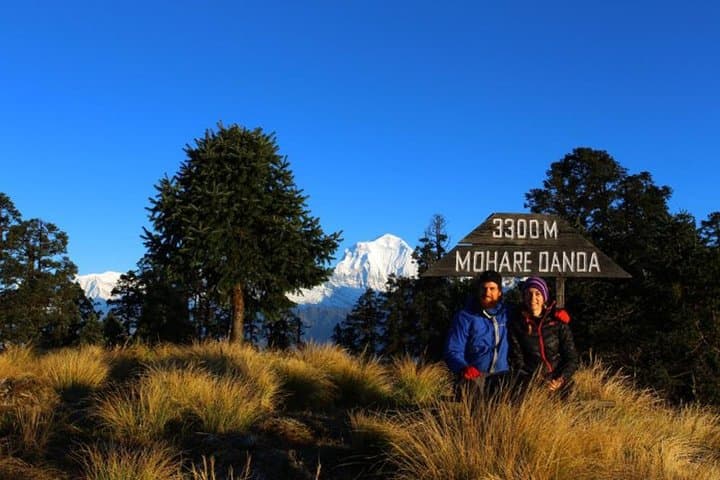
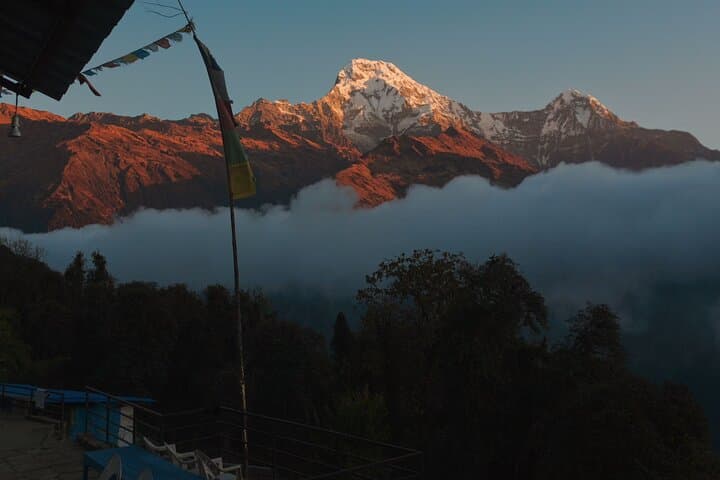
A crisp dawn on Mohare Danda starts with a horizon of jagged whites—Annapurna and Dhaulagiri stepping into light while the wind nudges spent clouds downhill. Hikers arrive by road from Pokhara, climb through pine and rhododendron, and reach a 3,300 m ridge where the mountains feel within arm’s reach and valleys fold away below.
Verified experiences and guided adventures in the surrounding area.
Operated by Outshine Adventure Pvt Ltd · Pokhara, Gandaki Province
A crisp dawn on Mohare Danda starts with a horizon of jagged whites—Annapurna and Dhaulagiri stepping into light while the wind nudges spent clouds downhill. Hikers arrive by road from Pokhara, climb through pine and rhododendron, and reach a 3,300 m ridge where the mountains feel within arm’s reach and valleys fold away below.
The route threads local villages and recently opened eco-community lodges, part of a broader Annapurna Conservation Area effort to keep trails quiet and incomes local. Geologically, the trek rides a young Himalayan front: steep metamorphic slopes carved by monsoon-fed streams, with switchbacks that reveal different faces of the massif each hour. Culturally, the trail crosses Gurung settlements—stone houses, prayer flags, and stories of Gurkha service—that give context to the terraces and hamlets you pass.
Expect steady ascents of 4–6 hours on trekking days, sections of loose rock and packed earth, and panoramic exposures that reward early starts. The trail is not technical but gains altitude rapidly; acclimatize in Pokhara and Nadi Village and keep a slow pace to Mohare Danda.
Practical guidance: bring layered clothing, a water filter or purification tablets, and trekking poles for steep descents. Lodges provide simple meals and beds; sleeping bags are often available from operators, but a lightweight liner improves comfort. Plan for clear morning views and rapidly changing afternoon weather—sunrise and the first light on the giants are the real reason to set an alarm.
moderate.
10–11 days.
Good aerobic fitness for sustained uphill days and multi-day trekking; able to carry a daypack and walk 5–7 hours on hilly terrain.
Yes — you will need the Annapurna Conservation Area Permit (ACAP) and a Trekkers’ Information Management System (TIMS) card; guides typically arrange these before the trek.
Spring (March–May) and autumn (September–November) offer the most stable weather and rhododendron blooms or clear post-monsoon skies respectively.
Most days are 4–6 hours on uneven mountain trails with steady elevation change; they are strenuous but non-technical for experienced hikers.
Local eco-lodges provide basic beds, hot meals, and shared bathrooms; operators often supply sleeping bags or liners and maintain hygiene standards aligned with ACAP guidelines.
The trail passes Gurung villages whose communities have long supplied soldiers to the Gurkha regiments; recent eco-lodge initiatives aim to keep revenue local and sustainable.
Mohare Danda lies within the Annapurna Conservation Area, where community-run lodges, controlled trekking routes, and park permits work together to limit erosion and support biodiversity.
Outshine Adventure Pvt Ltd operates guided outdoor trips and adventures with an emphasis on safety, stewardship, and memorable experiences.
A crisp dawn on Mohare Danda starts with a horizon of jagged whites—Annapurna and Dhaulagiri stepping into light while the wind nudges spent clouds downhill. Hikers arrive by road from Pokhara, climb through pine and rhododendron, and reach a 3,300 m ridge where the mountains feel within arm’s reach and valleys fold away below.
A crisp dawn on Mohare Danda starts with a horizon of jagged whites—Annapurna and Dhaulagiri stepping into light while the wind nudges spent clouds downhill. Hikers arrive by road from Pokhara, climb through pine and rhododendron, and reach a 3,300 m ridge where the mountains feel within arm’s reach and valleys fold away below.
The route threads local villages and recently opened eco-community lodges, part of a broader Annapurna Conservation Area effort to keep trails quiet and incomes local. Geologically, the trek rides a young Himalayan front: steep metamorphic slopes carved by monsoon-fed streams, with switchbacks that reveal different faces of the massif each hour. Culturally, the trail crosses Gurung settlements—stone houses, prayer flags, and stories of Gurkha service—that give context to the terraces and hamlets you pass.
Expect steady ascents of 4–6 hours on trekking days, sections of loose rock and packed earth, and panoramic exposures that reward early starts. The trail is not technical but gains altitude rapidly; acclimatize in Pokhara and Nadi Village and keep a slow pace to Mohare Danda.
Practical guidance: bring layered clothing, a water filter or purification tablets, and trekking poles for steep descents. Lodges provide simple meals and beds; sleeping bags are often available from operators, but a lightweight liner improves comfort. Plan for clear morning views and rapidly changing afternoon weather—sunrise and the first light on the giants are the real reason to set an alarm.