THE ADVENTURE COLLECTIVE® · Independent discovery and booking for outdoor travel

A short community-based trek from Pokhara up to Mohare Danda (3,350 m) offers dramatic sunrise views of Annapurna and Dhaulagiri, teahouse nights, and a chance to support local communities on a less-traveled Annapurna route.
A short community-based trek from Pokhara up to Mohare Danda (3,350 m) offers dramatic sunrise views of Annapurna and Dhaulagiri, teahouse nights, and a chance to support local communities on a less-traveled Annapurna route.
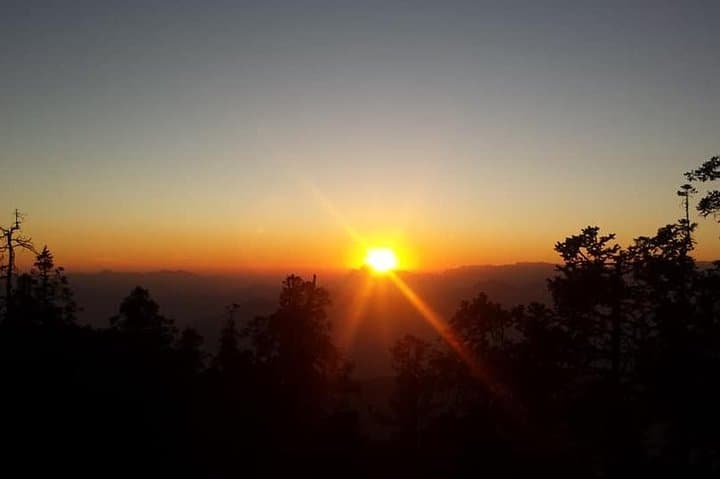
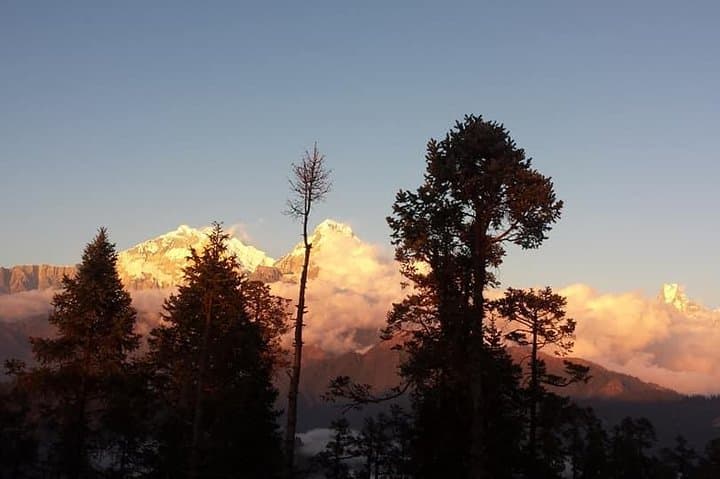
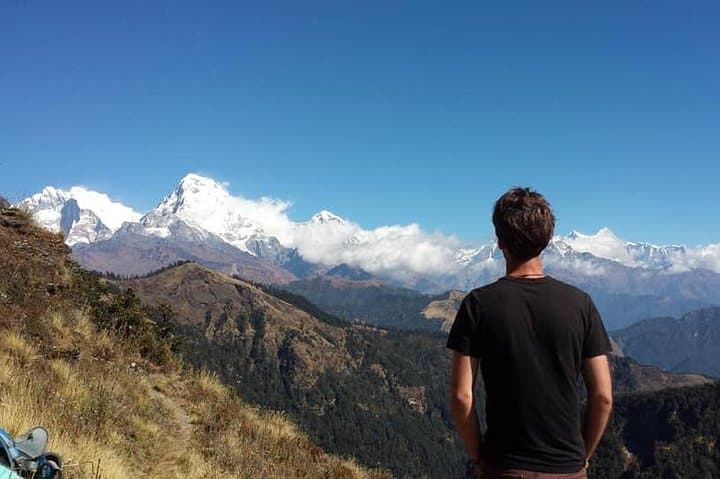
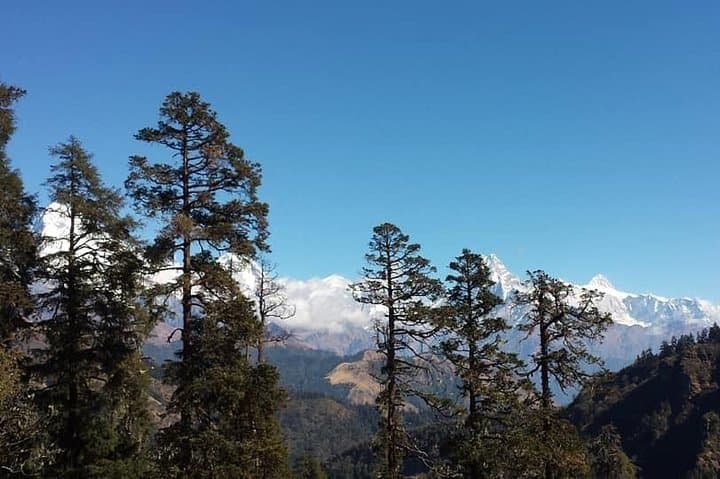
On a clear morning the ridge at Mohare Danda opens like a page of the Annapurna massif — sharp white teeth of Annapurna and Dhaulagiri catching first light while terraces and oak forests slope away beneath your boots.
Verified experiences and guided adventures in the surrounding area.
Operated by Osho world Adventure · Pokhara, Gandaki Province
On a clear morning the ridge at Mohare Danda opens like a page of the Annapurna massif — sharp white teeth of Annapurna and Dhaulagiri catching first light while terraces and oak forests slope away beneath your boots.
This compact community trek starts from Pokhara and threads villages, bamboo copses and pine stands before rising to the Mohare hill station at 3,350 m. The route is recent in trekking maps, promoted by local communities as an eco-conscious alternative that channels tourism revenue into schools and trail repairs. Geologically you walk along the Lesser Himalaya: folded, erosion-sculpted slopes and river-cut valleys that expose metamorphic rock and loose scree on steeper sections.
Culture is visible in terraced fields and Gurung villages — stone houses, prayer flags, and teahouses that serve dal bhat and local stories. Wildlife is shy but present: pheasants call from rhododendron thickets and Himalayan langur sometimes watches from branch shadows.
Practically, expect 5–7 hours of trekking on ascent days, steep switchbacks, and narrow ridgelines; teahouse accommodation is basic but reliable. Acclimatize gradually (Pokhara ~820 m to Mohare 3,350 m), carry water treatment, and bring layers for windy dawns and freezing nights. Best windows are spring and autumn when views are clean; monsoon brings leeches and wet trails while winter nights are cold.
Footwear with firm ankle support, a lightweight down layer, and a headlamp matter more than flashy gear. Plan for moderate fitness: the trail rewards steady pacing and curiosity — the ridge will demand your breath, then repay it with sunrise over the giants.
moderate.
10 days.
Suitable for hikers with steady cardio fitness who can manage consecutive days of uphill walking and 2,500–2,700 m net elevation gain spread over several days.
No separate permit beyond the national TIMS or Annapurna Conservation Area entry is typically needed; your operator will arrange conservation area fees.
The climb is steady with steep sections; it’s classified moderate—good aerobic fitness and gradual acclimatization reduce risk of altitude issues.
Teahouse lodges provide simple rooms and home-cooked Nepali meals (dal bhat, noodles); bring cash for extras and snacks.
Autumn (Sept–Nov) and spring (Mar–May) offer the most reliable clear skies and comfortable trekking temperatures.
Mohare Danda is part of community-managed trekking routes in the Annapurna region developed to diversify income from mainstream trails and support local schools and infrastructure.
The route is promoted as community-based eco-tourism; visitors are asked to minimize plastic waste, use refillable bottles, and respect tea-house and grazing lands.
Osho world Adventure operates guided outdoor trips and adventures with an emphasis on safety, stewardship, and memorable experiences.
On a clear morning the ridge at Mohare Danda opens like a page of the Annapurna massif — sharp white teeth of Annapurna and Dhaulagiri catching first light while terraces and oak forests slope away beneath your boots.
On a clear morning the ridge at Mohare Danda opens like a page of the Annapurna massif — sharp white teeth of Annapurna and Dhaulagiri catching first light while terraces and oak forests slope away beneath your boots.
This compact community trek starts from Pokhara and threads villages, bamboo copses and pine stands before rising to the Mohare hill station at 3,350 m. The route is recent in trekking maps, promoted by local communities as an eco-conscious alternative that channels tourism revenue into schools and trail repairs. Geologically you walk along the Lesser Himalaya: folded, erosion-sculpted slopes and river-cut valleys that expose metamorphic rock and loose scree on steeper sections.
Culture is visible in terraced fields and Gurung villages — stone houses, prayer flags, and teahouses that serve dal bhat and local stories. Wildlife is shy but present: pheasants call from rhododendron thickets and Himalayan langur sometimes watches from branch shadows.
Practically, expect 5–7 hours of trekking on ascent days, steep switchbacks, and narrow ridgelines; teahouse accommodation is basic but reliable. Acclimatize gradually (Pokhara ~820 m to Mohare 3,350 m), carry water treatment, and bring layers for windy dawns and freezing nights. Best windows are spring and autumn when views are clean; monsoon brings leeches and wet trails while winter nights are cold.
Footwear with firm ankle support, a lightweight down layer, and a headlamp matter more than flashy gear. Plan for moderate fitness: the trail rewards steady pacing and curiosity — the ridge will demand your breath, then repay it with sunrise over the giants.