THE ADVENTURE COLLECTIVE® · Independent discovery and booking for outdoor travel

Spend a day between loess cliffs and lacquered Buddhas at the Mogao Grottoes, then try Dunhuang brushwork in a local studio. This eight-hour tour blends immersive history with hands-on art and essential logistics for visiting a fragile World Heritage site.
Spend a day between loess cliffs and lacquered Buddhas at the Mogao Grottoes, then try Dunhuang brushwork in a local studio. This eight-hour tour blends immersive history with hands-on art and essential logistics for visiting a fragile World Heritage site.
The day opens with a low, dry light over the Gobi as a private vehicle threads from Dunhuang toward the Mogao Grottoes. You step out beneath sheer, ochre cliffs—ancient caves carved into loess that have watched Silk Road caravans pass for a millennium. Inside, the hush is intentional: painted Buddhas and lacquered reliefs hold centuries of prayer in their gaze, while a 360° cinema and digital exhibition rehearse the grottoes’ long story before the cave guide leads you into selected caverns.
Verified experiences and guided adventures in the surrounding area.
Operated by Silk Road Angel Tours · Dunhuang, Gansu
The day opens with a low, dry light over the Gobi as a private vehicle threads from Dunhuang toward the Mogao Grottoes. You step out beneath sheer, ochre cliffs—ancient caves carved into loess that have watched Silk Road caravans pass for a millennium. Inside, the hush is intentional: painted Buddhas and lacquered reliefs hold centuries of prayer in their gaze, while a 360° cinema and digital exhibition rehearse the grottoes’ long story before the cave guide leads you into selected caverns.
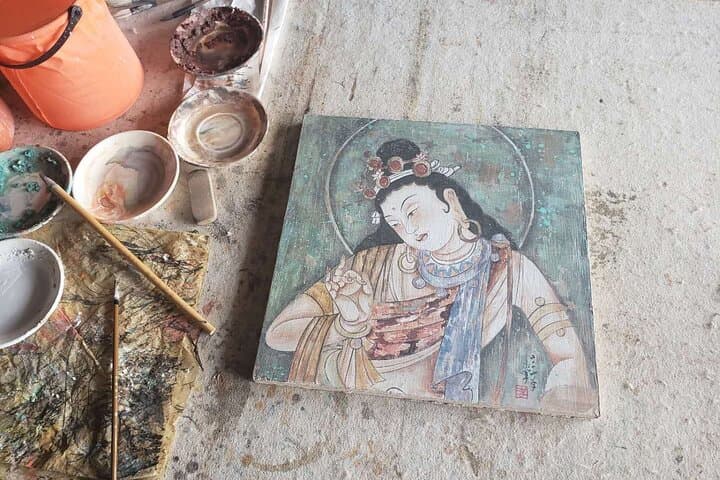
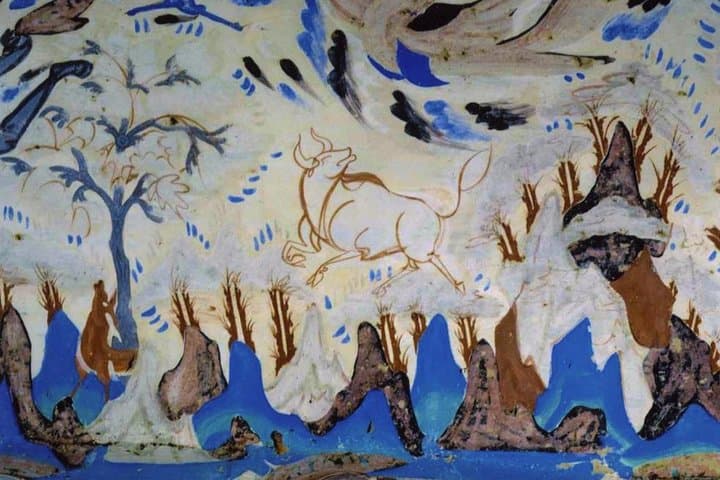
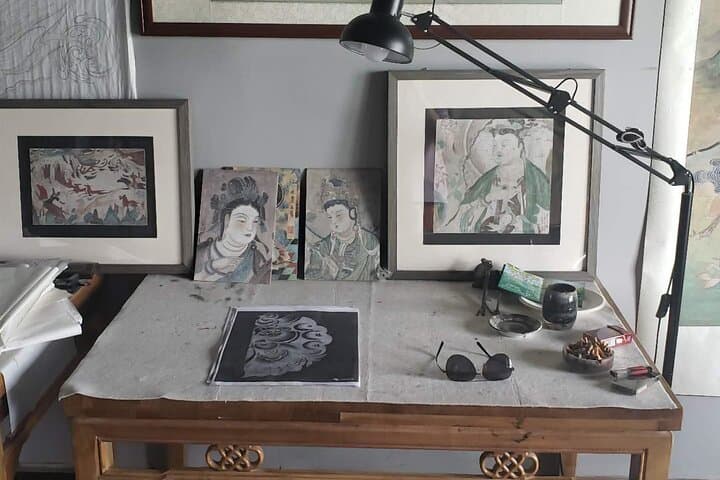
Mogao began in the 4th century as a pilgrimage and studio complex; its murals record changing styles from Central Asian influences to Song-era finesse. The geology is immediate—wind-worked loess cliffs that both preserve and threaten the art; conservation efforts here balance tourism and fragile microclimates. After a local lunch, the route shifts to a nearby artist studio where a professional demonstrates traditional Dunhuang brush techniques and guides you through painting a flying apsara, linking craft to the cave images you just saw.
Practical details: the tour runs about eight hours, with hotel pickup at 08:00 and return in the late afternoon. Tickets and transport are included; a valid passport is required for ticket collection. Wear comfortable walking shoes and layers for temperature swings between sunlit plateaus and cool cave interiors. Flash photography is typically restricted inside grottoes—follow your guide. Bring water, sun protection, and a respectful curiosity: this is a cultural site where quiet observation matters as much as the photos you’ll take.
easy.
8 hours.
Light walking on paved and uneven surfaces; suitable for most fitness levels
Yes—this tour includes entrance tickets to the Mogao Grottoes and the digital exhibition center; present your voucher and passport at collection.
The tour notes wheelchair accessibility for some areas and transport, but cave access may be limited—advise the operator of needs when booking.
Photography rules vary by cave; flash is usually prohibited to protect pigments—follow the cave guide’s instructions.
Yes. A current valid passport is required on the day for ticket collection and booking verification.
Mogao was founded in the 4th century and became a Silk Road hub for Buddhist art and manuscript culture, accumulating paintings and sculptures across a thousand years.
The site uses restricted cave access, climate monitoring, and digitization to reduce visitor impact while preserving murals sensitive to light, humidity and human presence.
Silk Road Angel Tours operates guided outdoor trips and adventures with an emphasis on safety, stewardship, and memorable experiences.
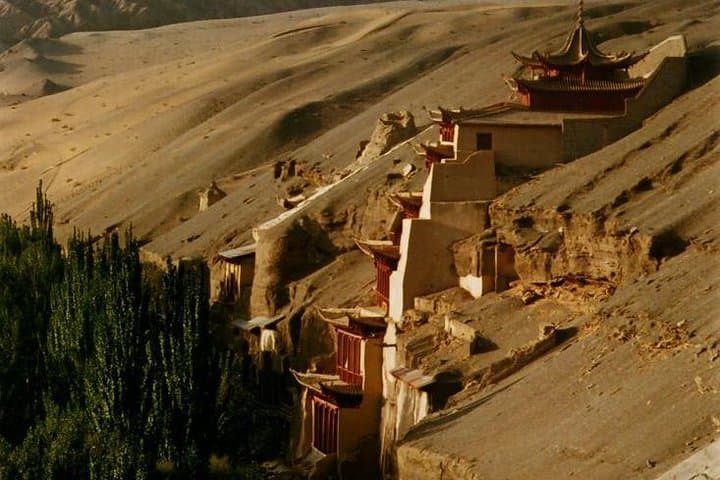
The day opens with a low, dry light over the Gobi as a private vehicle threads from Dunhuang toward the Mogao Grottoes. You step out beneath sheer, ochre cliffs—ancient caves carved into loess that have watched Silk Road caravans pass for a millennium. Inside, the hush is intentional: painted Buddhas and lacquered reliefs hold centuries of prayer in their gaze, while a 360° cinema and digital exhibition rehearse the grottoes’ long story before the cave guide leads you into selected caverns.
The day opens with a low, dry light over the Gobi as a private vehicle threads from Dunhuang toward the Mogao Grottoes. You step out beneath sheer, ochre cliffs—ancient caves carved into loess that have watched Silk Road caravans pass for a millennium. Inside, the hush is intentional: painted Buddhas and lacquered reliefs hold centuries of prayer in their gaze, while a 360° cinema and digital exhibition rehearse the grottoes’ long story before the cave guide leads you into selected caverns.
Mogao began in the 4th century as a pilgrimage and studio complex; its murals record changing styles from Central Asian influences to Song-era finesse. The geology is immediate—wind-worked loess cliffs that both preserve and threaten the art; conservation efforts here balance tourism and fragile microclimates. After a local lunch, the route shifts to a nearby artist studio where a professional demonstrates traditional Dunhuang brush techniques and guides you through painting a flying apsara, linking craft to the cave images you just saw.
Practical details: the tour runs about eight hours, with hotel pickup at 08:00 and return in the late afternoon. Tickets and transport are included; a valid passport is required for ticket collection. Wear comfortable walking shoes and layers for temperature swings between sunlit plateaus and cool cave interiors. Flash photography is typically restricted inside grottoes—follow your guide. Bring water, sun protection, and a respectful curiosity: this is a cultural site where quiet observation matters as much as the photos you’ll take.