THE ADVENTURE COLLECTIVE® · Independent discovery and booking for outdoor travel

A guided, secure city tour that stitches Lido Beach, Hamarweyne market and colonial-era architecture into a two-day coastal experience. Expect market rhythms, seaside views and practical guidance for traveling in Mogadishu.
A guided, secure city tour that stitches Lido Beach, Hamarweyne market and colonial-era architecture into a two-day coastal experience. Expect market rhythms, seaside views and practical guidance for traveling in Mogadishu.
You step from an armored vehicle onto a salt-scented strip of asphalt and the Indian Ocean pushes at the shoreline as if insisting you look. Morning light strips the paint from old Italian facades in Hodan and Hamarweyne’s market hums with vendors calling out fish names and spices. The city feels kinetic—sea, street and history in close quarters.
Verified experiences and guided adventures in the surrounding area.
Operated by Visit Mogadishu · Mogadishu, Banaadir
You step from an armored vehicle onto a salt-scented strip of asphalt and the Indian Ocean pushes at the shoreline as if insisting you look. Morning light strips the paint from old Italian facades in Hodan and Hamarweyne’s market hums with vendors calling out fish names and spices. The city feels kinetic—sea, street and history in close quarters.
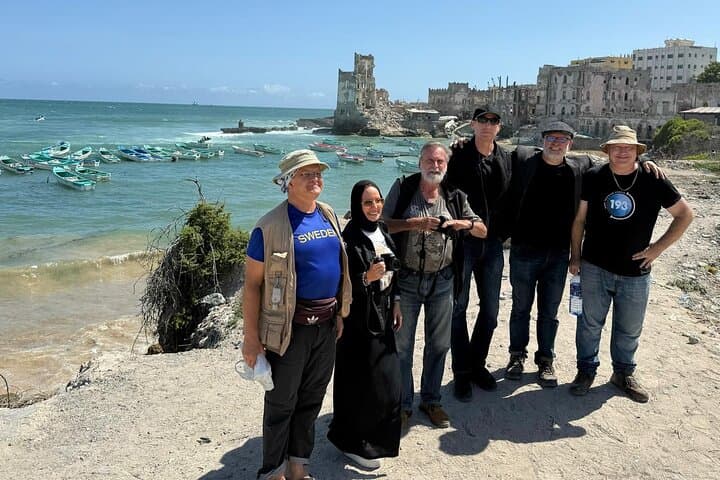
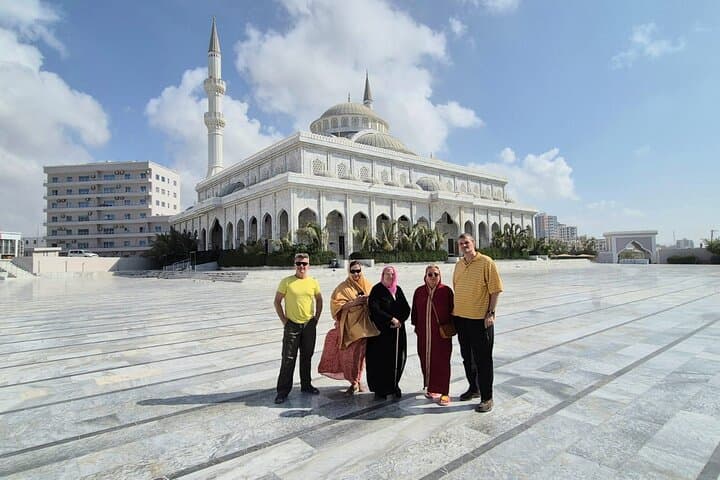
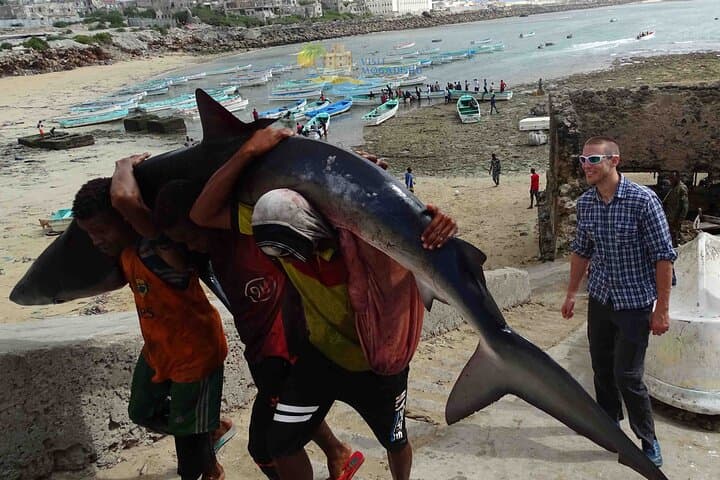
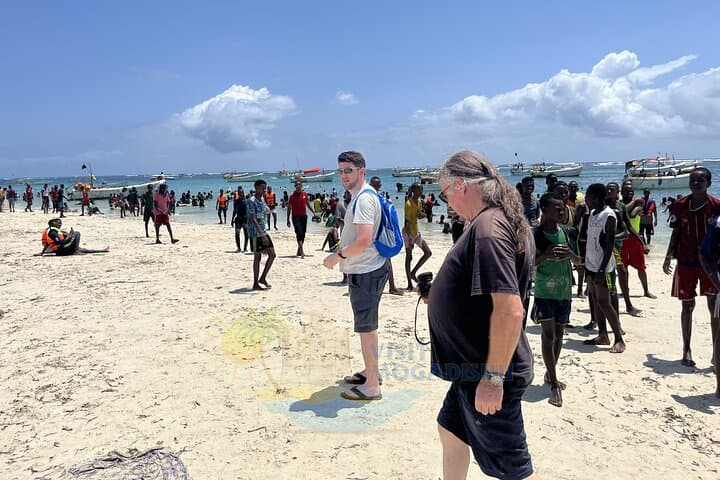
Mogadishu’s shore has long been a crossroads: traders from Arabia and the Indian subcontinent shaped its ports, and the city’s early 20th-century Italian architecture still frames broad avenues and faded villas. Geologically the coast is a gentle continental shelf with sandy beaches like Lido and Secondo Lido where traditional dhows offload tuna and swordfish. Culturally, the market squares and mosques are active public life—coffee on rooftop cafés and Friday gatherings at Daljirka Dahsoon give a direct window into daily routines.
On a practical note, expect sturdy urban walking, short boat rides, and multiple road transfers inside secure zones. Bring a copy of your passport, local currency (Somali shilling or USD), and a neutral wardrobe that respects local customs—lightweight, modest layers work best. Hydration and sun protection are essential; temperatures commonly sit in the high 20s–30s°C.
Timing matters: early mornings and late afternoons are best for market visits and beach walks. Guides and security escorts manage logistics and entry points; follow their instructions closely. With basic preparation—closed-toe shoes, sunscreen, photocopies of documents—you’ll experience Mogadishu as a working coastal capital: lively, coastal, and full of stories just under the surface.
moderate.
2–3 days.
Moderate: able to walk on uneven streets and beach sand for several short stretches across a day
Tours include security escorts and armored transport; follow guide instructions and remain within the designated secure areas for the best experience.
Yes—most visitors require a visa for Somalia and must travel with a valid passport; the tour lists visa processing fees and will advise on documentation.
Moderate fitness is sufficient: expect short walks through markets, beach strolls and some standing during site visits rather than sustained hiking.
Carry Somali shillings or USD for purchases; tipping is customary for guides and service staff—small amounts in local currency or USD are acceptable.
Mogadishu grew as a trading hub and contains distinct layers of history from medieval sultanates to Italian colonial planning; many coastal neighborhoods preserve early 20th-century architecture.
The coastline faces typical pressures: overfishing and coastal erosion are local concerns; support operators who follow sustainable seafood and leave-no-trace beach practices.
Visit Mogadishu operates guided outdoor trips and adventures with an emphasis on safety, stewardship, and memorable experiences.
You step from an armored vehicle onto a salt-scented strip of asphalt and the Indian Ocean pushes at the shoreline as if insisting you look. Morning light strips the paint from old Italian facades in Hodan and Hamarweyne’s market hums with vendors calling out fish names and spices. The city feels kinetic—sea, street and history in close quarters.
You step from an armored vehicle onto a salt-scented strip of asphalt and the Indian Ocean pushes at the shoreline as if insisting you look. Morning light strips the paint from old Italian facades in Hodan and Hamarweyne’s market hums with vendors calling out fish names and spices. The city feels kinetic—sea, street and history in close quarters.
Mogadishu’s shore has long been a crossroads: traders from Arabia and the Indian subcontinent shaped its ports, and the city’s early 20th-century Italian architecture still frames broad avenues and faded villas. Geologically the coast is a gentle continental shelf with sandy beaches like Lido and Secondo Lido where traditional dhows offload tuna and swordfish. Culturally, the market squares and mosques are active public life—coffee on rooftop cafés and Friday gatherings at Daljirka Dahsoon give a direct window into daily routines.
On a practical note, expect sturdy urban walking, short boat rides, and multiple road transfers inside secure zones. Bring a copy of your passport, local currency (Somali shilling or USD), and a neutral wardrobe that respects local customs—lightweight, modest layers work best. Hydration and sun protection are essential; temperatures commonly sit in the high 20s–30s°C.
Timing matters: early mornings and late afternoons are best for market visits and beach walks. Guides and security escorts manage logistics and entry points; follow their instructions closely. With basic preparation—closed-toe shoes, sunscreen, photocopies of documents—you’ll experience Mogadishu as a working coastal capital: lively, coastal, and full of stories just under the surface.