THE ADVENTURE COLLECTIVE® · Independent discovery and booking for outdoor travel

Escape Paris for a private half‑day to Moët et Chandon and Hautvillers: cellar tours, Champagne tastings, and panoramic vineyard views along the Marne. Perfect for wine enthusiasts seeking a concentrated look at Champagne production and regional history.
Escape Paris for a private half‑day to Moët et Chandon and Hautvillers: cellar tours, Champagne tastings, and panoramic vineyard views along the Marne. Perfect for wine enthusiasts seeking a concentrated look at Champagne production and regional history.
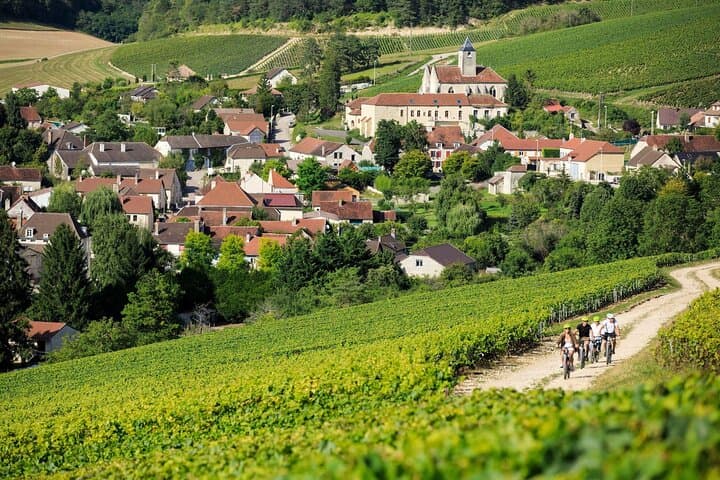
You step into the car in Paris as the city recedes and the land opens into orderly rows of vines; the hills themselves seem to coax you forward toward Épernay. The drive—about 140 km and roughly two hours each way—passes working vineyards and villages where the Marne River threads the valley, pushing the landscape into neat parcels of chalky soil that make Champagne what it is.
Verified experiences and guided adventures in the surrounding area.
Operated by Galaxytour · Épernay, Marne
You step into the car in Paris as the city recedes and the land opens into orderly rows of vines; the hills themselves seem to coax you forward toward Épernay. The drive—about 140 km and roughly two hours each way—passes working vineyards and villages where the Marne River threads the valley, pushing the landscape into neat parcels of chalky soil that make Champagne what it is.
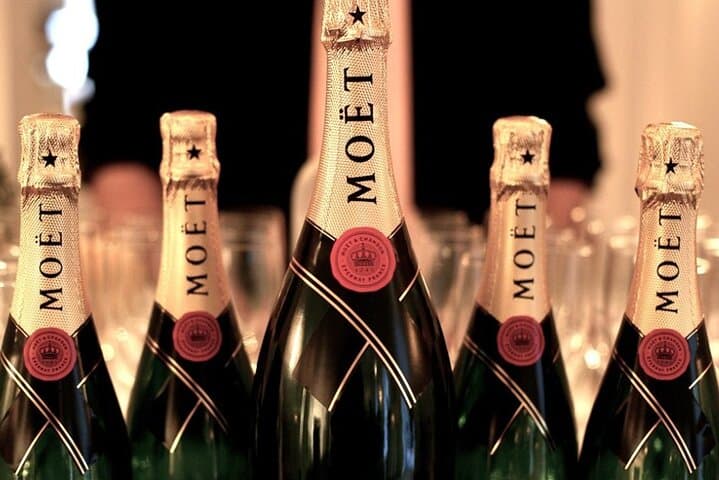
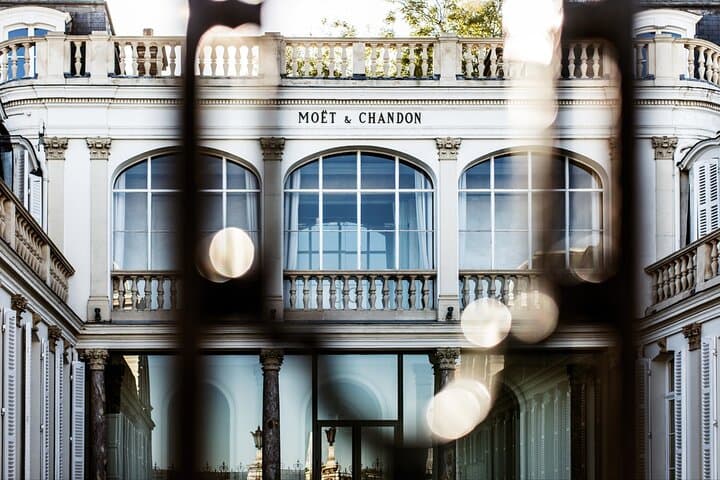
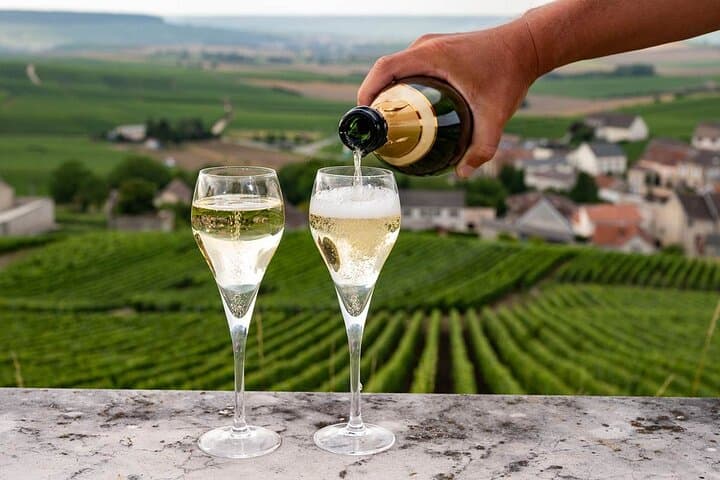
At Moët et Chandon the cellars run deep into the chalk, a geological signature of the region that keeps temperatures steady and corks breathing. A guided cellar visit (about 90 minutes) covers production halls, the stacked riddling racks, and a tasting that illustrates dosage, effervescence, and the house style. Then a short hop to Hautvillers places you at the Abbey of Saint Sindulphe—founded in 665—where Dom Pérignon refined blending methods and where the village’s viewpoints track the vineyard-carved slopes to the Marne.
Culturally, this is a working landscape: 26 independent producers in Hautvillers, family-owned houses in Épernay, and cellar routes that reflect centuries of winemaking practice. Practicalities: the tour runs 7–9 hours, includes private, air-conditioned transport with Wi‑Fi and bottled water, and a guided tasting; lunch in Épernay is arranged but not always included. Moët is closed in January–February, so plan accordingly. Bring ID for tastings, wear sturdy shoes for cellar steps and cobbles, and allow time to smell the chalk and hear the cellar silence—the region’s pulse is quieter than the city but no less exacting.
easy.
7–9 hours.
Suitable for most fitness levels; involves short walks, standing during tastings, and some stairs.
Yes—this private tour includes a guided cellar visit and a Champagne tasting at Moët et Chandon.
Pickup from central Paris hotels is included; confirm your exact pickup point at booking.
Lunch time is allotted in Épernay but food is typically at your own expense unless a specific menu is noted in your booking.
The operator will notify you and offer alternative Champagne houses if Moët cannot accommodate your party.
Hautvillers’ Abbey of Saint Sindulphe dates to 665; Dom Pérignon, a Benedictine monk there, is credited with early advances in blending and bottle fermentation methods that shaped modern Champagne.
Vineyard management in Champagne emphasizes chalk soil preservation and controlled yields; visitors are asked to stay on designated paths to protect vine roots and terraced slopes.
Galaxytour operates guided outdoor trips and adventures with an emphasis on safety, stewardship, and memorable experiences.
You step into the car in Paris as the city recedes and the land opens into orderly rows of vines; the hills themselves seem to coax you forward toward Épernay. The drive—about 140 km and roughly two hours each way—passes working vineyards and villages where the Marne River threads the valley, pushing the landscape into neat parcels of chalky soil that make Champagne what it is.
You step into the car in Paris as the city recedes and the land opens into orderly rows of vines; the hills themselves seem to coax you forward toward Épernay. The drive—about 140 km and roughly two hours each way—passes working vineyards and villages where the Marne River threads the valley, pushing the landscape into neat parcels of chalky soil that make Champagne what it is.
At Moët et Chandon the cellars run deep into the chalk, a geological signature of the region that keeps temperatures steady and corks breathing. A guided cellar visit (about 90 minutes) covers production halls, the stacked riddling racks, and a tasting that illustrates dosage, effervescence, and the house style. Then a short hop to Hautvillers places you at the Abbey of Saint Sindulphe—founded in 665—where Dom Pérignon refined blending methods and where the village’s viewpoints track the vineyard-carved slopes to the Marne.
Culturally, this is a working landscape: 26 independent producers in Hautvillers, family-owned houses in Épernay, and cellar routes that reflect centuries of winemaking practice. Practicalities: the tour runs 7–9 hours, includes private, air-conditioned transport with Wi‑Fi and bottled water, and a guided tasting; lunch in Épernay is arranged but not always included. Moët is closed in January–February, so plan accordingly. Bring ID for tastings, wear sturdy shoes for cellar steps and cobbles, and allow time to smell the chalk and hear the cellar silence—the region’s pulse is quieter than the city but no less exacting.