THE ADVENTURE COLLECTIVE® · Independent discovery and booking for outdoor travel

Repair a broken plate into a glowing decorative object at Srisom Kintsugi in Phuket. This two‑hour modern Kintsugi workshop teaches resin and gold metal techniques rooted in traditional Japanese philosophy — ideal for beginners who want a hands‑on cultural craft experience.
Repair a broken plate into a glowing decorative object at Srisom Kintsugi in Phuket. This two‑hour modern Kintsugi workshop teaches resin and gold metal techniques rooted in traditional Japanese philosophy — ideal for beginners who want a hands‑on cultural craft experience.
You sit at a low worktable in a bright studio off a busy Phuket thoroughfare, sunlight cutting across a line of ceramic shards. The air smells faintly of resin and citrus cleaner; a small group leans in as an instructor mixes a golden powder into glossy epoxy. Within two hours a broken plate becomes deliberate, its seams celebrated rather than hidden.
Verified experiences and guided adventures in the surrounding area.
Operated by SriSom Art Healing Studio Phuket · Phuket Town, Phuket
You sit at a low worktable in a bright studio off a busy Phuket thoroughfare, sunlight cutting across a line of ceramic shards. The air smells faintly of resin and citrus cleaner; a small group leans in as an instructor mixes a golden powder into glossy epoxy. Within two hours a broken plate becomes deliberate, its seams celebrated rather than hidden.
Kintsugi began in 15th‑century Japan as Urushi lacquer and gold mended vessels — a philosophy that elevates repair into art. In Phuket, Srisom Kintsugi translates that history into a modern, safer practice: synthetic resins and gold metal are used to produce decorative pieces suitable for display but not food use. The studio sits in the cultural crossroads of Phuket Town, where Sino‑Portuguese facades and Thai street life meet contemporary craft.
Expect hands‑on instruction, small groups (max four), and a curated ceramic piece to restore. The process is rhythmic: assess breaks, apply adhesive, press and fill, then gold the joins. Fine motor control matters more than strength; conversation drifts between technique, wabi‑sabi ideas, and local life.
Practical guidance: workshops run about two hours and are for ages 18+. Bring clothes that can tolerate drips, and be prepared for strong smells — the studio recommends good ventilation and may supply gloves. Note the finished object is decorative only; follow staff safety guidance if you have respiratory or cardiovascular concerns. Book in advance — sales are final — and plan to pair the class with a stroll through Old Phuket Town afterward.
easy.
2 hours.
Suitable for all fitness levels; requires seated work and steady hands for fine motor tasks.
No — the workshop is designed for beginners and includes step‑by‑step instruction and all materials.
No — creations are decorative only and not safe for food, microwaves, ovens, or dishwashers.
Classes run about two hours with small groups (typically up to four participants) for hands‑on guidance.
Yes — not recommended for pregnant or breastfeeding individuals, or those with certain heart or spinal conditions due to chemical exposure and workshop posture.
Kintsugi originated in Japan as a lacquer repair technique that embraced imperfections; Srisom adapts that tradition in Phuket using modern materials to make the method accessible to studio visitors.
The studio uses synthetic materials, so minimizing waste and following staff disposal protocols helps limit local chemical runoff; travelers should avoid rinsing resins into drains.
SriSom Art Healing Studio Phuket operates guided outdoor trips and adventures with an emphasis on safety, stewardship, and memorable experiences.
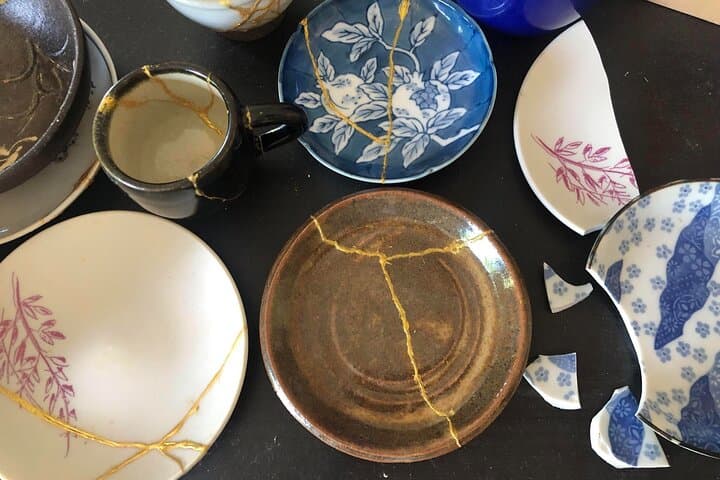
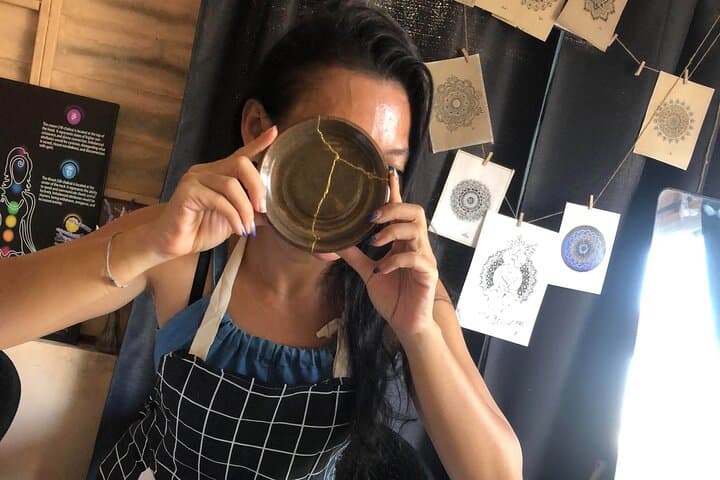
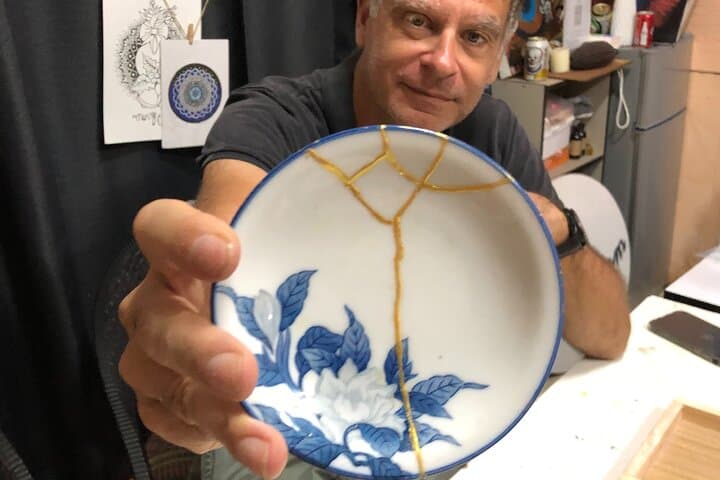
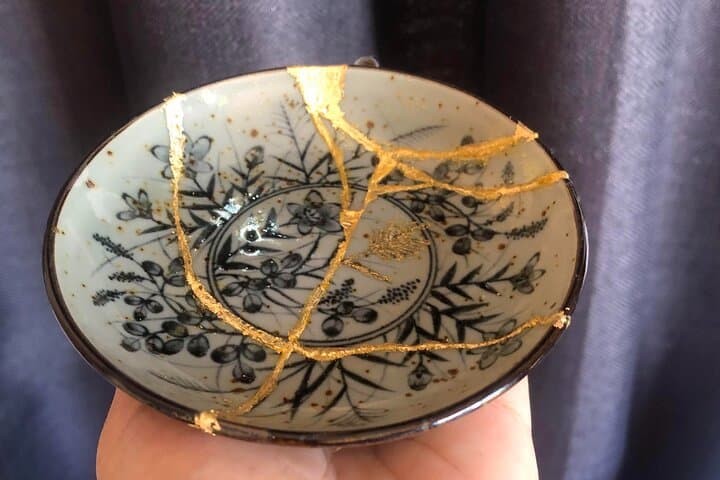
You sit at a low worktable in a bright studio off a busy Phuket thoroughfare, sunlight cutting across a line of ceramic shards. The air smells faintly of resin and citrus cleaner; a small group leans in as an instructor mixes a golden powder into glossy epoxy. Within two hours a broken plate becomes deliberate, its seams celebrated rather than hidden.
You sit at a low worktable in a bright studio off a busy Phuket thoroughfare, sunlight cutting across a line of ceramic shards. The air smells faintly of resin and citrus cleaner; a small group leans in as an instructor mixes a golden powder into glossy epoxy. Within two hours a broken plate becomes deliberate, its seams celebrated rather than hidden.
Kintsugi began in 15th‑century Japan as Urushi lacquer and gold mended vessels — a philosophy that elevates repair into art. In Phuket, Srisom Kintsugi translates that history into a modern, safer practice: synthetic resins and gold metal are used to produce decorative pieces suitable for display but not food use. The studio sits in the cultural crossroads of Phuket Town, where Sino‑Portuguese facades and Thai street life meet contemporary craft.
Expect hands‑on instruction, small groups (max four), and a curated ceramic piece to restore. The process is rhythmic: assess breaks, apply adhesive, press and fill, then gold the joins. Fine motor control matters more than strength; conversation drifts between technique, wabi‑sabi ideas, and local life.
Practical guidance: workshops run about two hours and are for ages 18+. Bring clothes that can tolerate drips, and be prepared for strong smells — the studio recommends good ventilation and may supply gloves. Note the finished object is decorative only; follow staff safety guidance if you have respiratory or cardiovascular concerns. Book in advance — sales are final — and plan to pair the class with a stroll through Old Phuket Town afterward.