THE ADVENTURE COLLECTIVE® · Independent discovery and booking for outdoor travel

Spend a long day between Panagsama Beach and Kawasan Falls: snorkel inside a living cloud of sardines, watch sea turtles forage, then switch to land for guided canyoneering through limestone gorges. This practical guide tells you what to expect and how to prepare.
Spend a long day between Panagsama Beach and Kawasan Falls: snorkel inside a living cloud of sardines, watch sea turtles forage, then switch to land for guided canyoneering through limestone gorges. This practical guide tells you what to expect and how to prepare.
Morning light fractures over Panagsama Beach as the boat slices through glassy water toward Pescador Island.
Verified experiences and guided adventures in the surrounding area.
Operated by CTPH TOUR · Moalboal, Cebu
Morning light fractures over Panagsama Beach as the boat slices through glassy water toward Pescador Island.
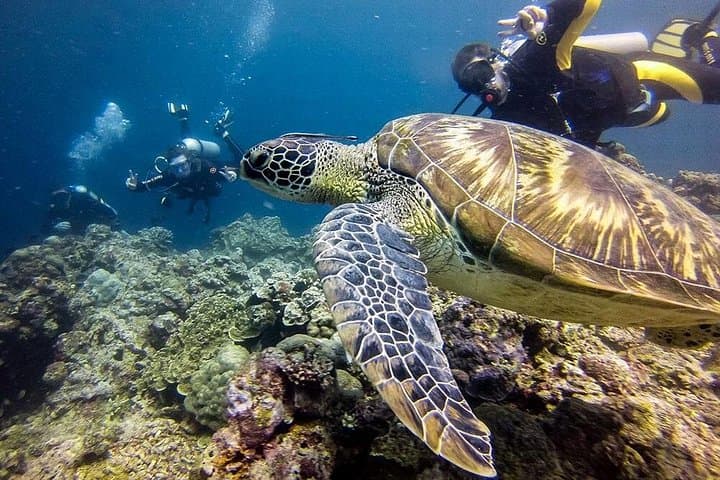
The sea here has a quick temper: one moment placid, the next a heaving wall of silver as millions of sardines gather in a tight, shifting cloud that moves like a single organism around the reef. Nearby, hawksbill and green sea turtles graze on seagrass with deliberate patience while reef fish dart through channels carved from volcanic limestone.
Cebu’s coastline is a product of uplifted coral platforms and volcanic ash, and inland the canyons of Badian cut through limestone to feed Kawasan’s plunging cascades. These falls became a hotspot for canyoneering only in the past two decades, when local guides developed routes that mix trekking, scrambling and short jumps between pools.
Culture here ties to the sea: fishing families in Moalboal still read currents and seasons, and small pasalubong markets in nearby towns sell dried fish, coconut sweets and woven crafts.
Practical guidance: expect a long day—early pickup, boat transfers, snorkeling and an optional guided canyoneering section. Basic swimming skills are required; guides provide life vests and snorkel gear. Wear reef-safe sunscreen, bring a dry bag, and plan for a midday break for food and shade.
Timing matters: the sardine run is best in calm mornings, and canyoneering is safest with a guide after the dry season’s start. Respect marine rules—no touching turtles or coral—and you’ll leave with a clear sense of why Cebu’s coast keeps calling adventurers back.
moderate.
12–14 hours.
Moderate fitness; comfortable swimming and ability to scramble over wet rocks recommended
Yes—basic swimming ability is required; life vests are provided but you should be comfortable in open water.
Canyoneering is listed as optional on many tours; you can skip it and remain at beach sites if you prefer.
Yes, standard snorkel gear and vests are typically included, though many travelers bring their own masks for fit and comfort.
The full-day itinerary runs roughly 12–14 hours with hotel pickup and drop-off, boat transfers, and guided activities included.
Cebu’s coastal villages have long been maritime communities; the limestone canyons of Badian formed through uplifted coral and river erosion over thousands of years, shaping routes now used for canyoneering.
Local operators emphasize no-touch marine rules and urge reef-safe sunscreen and not feeding wildlife; stick to marked paths to prevent erosion in canyon corridors.
CTPH TOUR operates guided outdoor trips and adventures with an emphasis on safety, stewardship, and memorable experiences.
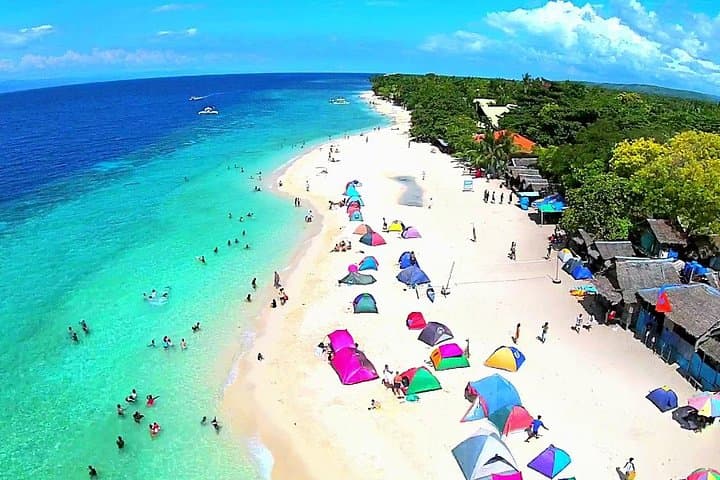
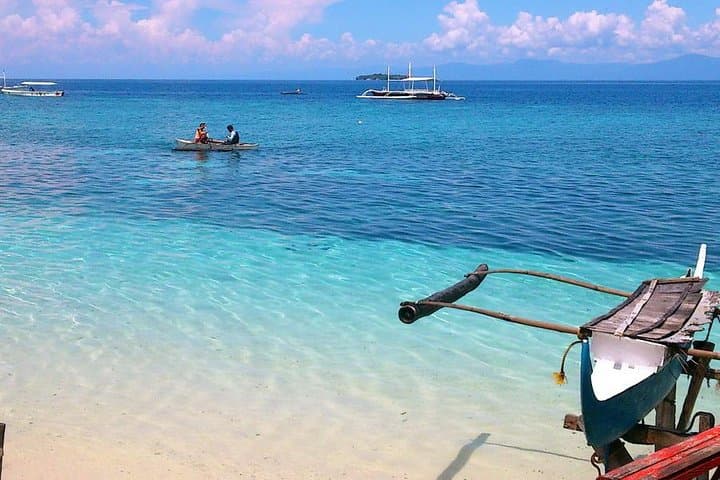
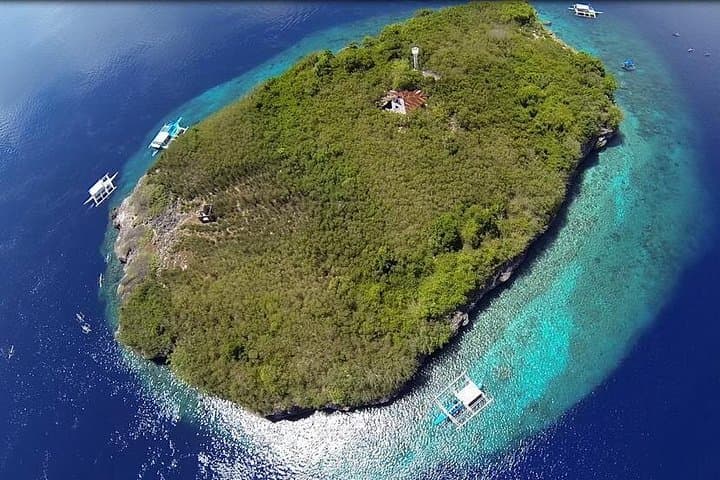
Morning light fractures over Panagsama Beach as the boat slices through glassy water toward Pescador Island.
Morning light fractures over Panagsama Beach as the boat slices through glassy water toward Pescador Island.
The sea here has a quick temper: one moment placid, the next a heaving wall of silver as millions of sardines gather in a tight, shifting cloud that moves like a single organism around the reef. Nearby, hawksbill and green sea turtles graze on seagrass with deliberate patience while reef fish dart through channels carved from volcanic limestone.
Cebu’s coastline is a product of uplifted coral platforms and volcanic ash, and inland the canyons of Badian cut through limestone to feed Kawasan’s plunging cascades. These falls became a hotspot for canyoneering only in the past two decades, when local guides developed routes that mix trekking, scrambling and short jumps between pools.
Culture here ties to the sea: fishing families in Moalboal still read currents and seasons, and small pasalubong markets in nearby towns sell dried fish, coconut sweets and woven crafts.
Practical guidance: expect a long day—early pickup, boat transfers, snorkeling and an optional guided canyoneering section. Basic swimming skills are required; guides provide life vests and snorkel gear. Wear reef-safe sunscreen, bring a dry bag, and plan for a midday break for food and shade.
Timing matters: the sardine run is best in calm mornings, and canyoneering is safest with a guide after the dry season’s start. Respect marine rules—no touching turtles or coral—and you’ll leave with a clear sense of why Cebu’s coast keeps calling adventurers back.