THE ADVENTURE COLLECTIVE® · Independent discovery and booking for outdoor travel

Spend a private day on Rapa Nui tracing the life cycle of the moai — from quarry to toppled monuments — with a local expert. This full-day archaeological field trip balances close reading of sites, geology, and island history with practical insights for exploring fragile ruins.
Spend a private day on Rapa Nui tracing the life cycle of the moai — from quarry to toppled monuments — with a local expert. This full-day archaeological field trip balances close reading of sites, geology, and island history with practical insights for exploring fragile ruins.
You step from the air-conditioned vehicle into a wind that seems to push history forward — salt and volcanic dust lift around stone faces that once watched the sea. The Moai Rise and Fall full-day private tour moves at a measured pace, letting the island’s carved giants and broken ahu speak for themselves as a local guide fills in the archaeological and cultural context.
Verified experiences and guided adventures in the surrounding area.
Operated by Rapanui Pioneers Society (RPS) · Hanga Roa, Valparaíso Region
You step from the air-conditioned vehicle into a wind that seems to push history forward — salt and volcanic dust lift around stone faces that once watched the sea. The Moai Rise and Fall full-day private tour moves at a measured pace, letting the island’s carved giants and broken ahu speak for themselves as a local guide fills in the archaeological and cultural context.
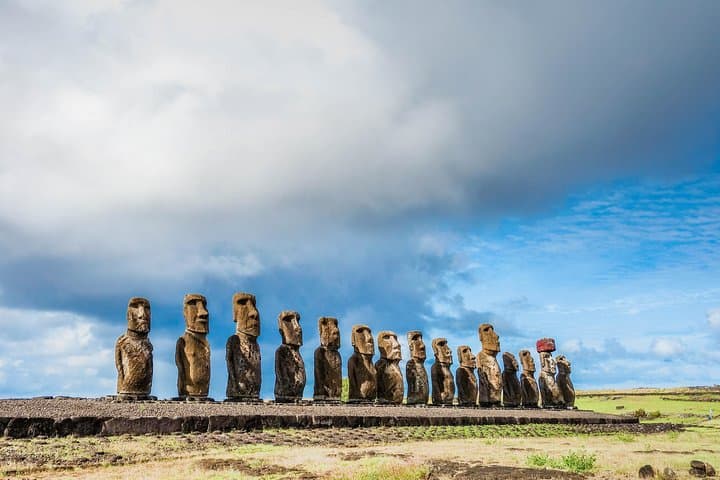
Start at Tahai where restored moai and William Mulloy’s memorial provide a readable introduction to 19th–20th century archaeology on Rapa Nui. The day threads through Vaihu’s collapse sites and an unrestored ceremonial center where toppled statues lie prone like fallen columns of a forgotten city. At Ahu Tongariki you walk the largest reassembled ceremonial platform in Polynesia and examine nearby petroglyph panels tied to old warfare legends.
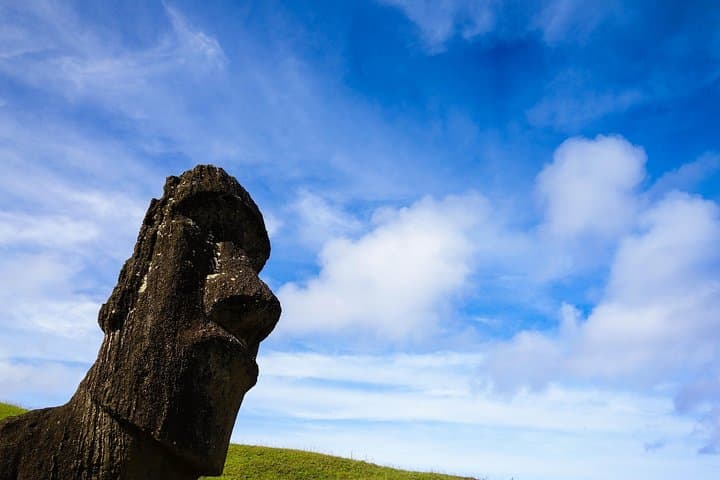
Rano Raraku — the volcanic quarry — is the tour’s geological and narrative heart: nearly 400 moai in various carving stages, tumbled and upright, reveal the island’s basalt chemistry and the logistical feats of prehistoric carvers. Your guide discusses theories of construction, environmental stress, and the modern restoration efforts that saved many ahu.
Practically, expect uneven terrain, short ascents to caldera rims, strong sun and coastal wind. The private format allows time for photography, questions, and customized focus on myths or material culture. Bring sturdy footwear, sun protection, and water; plan for a 5–8 hour day with multiple short walks and vehicle transfers. Stick to marked paths to protect fragile archaeological layers and leave the statues as you found them.
moderate.
5–8 hours.
Suitable for travelers in regular physical condition who can manage uneven ground and several short walks; minimal sustained hiking required.
Yes — Rapa Nui National Park requires an entry permit separate from the tour; confirm current fees and bring identification to present at park sites.
Yes — the tour is primarily vehicle-based with short walks; however uneven terrain may be challenging for those with mobility issues, so discuss accessibility when booking.
Yes — the private format allows focus on specific topics or extra time at certain sites; communicate interests (history, photography, geology) when you book.
No — drone use is restricted in many areas and touching or climbing on moai is prohibited to protect the statues and for cultural respect.
Rapa Nui’s monumental moai were carved from Rano Raraku tuff between roughly 1200–1600 CE; later social and ecological changes contributed to many statues being toppled.
Rapa Nui National Park is a UNESCO World Heritage Site—visitors must stick to marked routes, avoid touching archaeological features, and support local conservation initiatives.
Rapanui Pioneers Society (RPS) operates guided outdoor trips and adventures with an emphasis on safety, stewardship, and memorable experiences.


You step from the air-conditioned vehicle into a wind that seems to push history forward — salt and volcanic dust lift around stone faces that once watched the sea. The Moai Rise and Fall full-day private tour moves at a measured pace, letting the island’s carved giants and broken ahu speak for themselves as a local guide fills in the archaeological and cultural context.
You step from the air-conditioned vehicle into a wind that seems to push history forward — salt and volcanic dust lift around stone faces that once watched the sea. The Moai Rise and Fall full-day private tour moves at a measured pace, letting the island’s carved giants and broken ahu speak for themselves as a local guide fills in the archaeological and cultural context.
Start at Tahai where restored moai and William Mulloy’s memorial provide a readable introduction to 19th–20th century archaeology on Rapa Nui. The day threads through Vaihu’s collapse sites and an unrestored ceremonial center where toppled statues lie prone like fallen columns of a forgotten city. At Ahu Tongariki you walk the largest reassembled ceremonial platform in Polynesia and examine nearby petroglyph panels tied to old warfare legends.
Rano Raraku — the volcanic quarry — is the tour’s geological and narrative heart: nearly 400 moai in various carving stages, tumbled and upright, reveal the island’s basalt chemistry and the logistical feats of prehistoric carvers. Your guide discusses theories of construction, environmental stress, and the modern restoration efforts that saved many ahu.
Practically, expect uneven terrain, short ascents to caldera rims, strong sun and coastal wind. The private format allows time for photography, questions, and customized focus on myths or material culture. Bring sturdy footwear, sun protection, and water; plan for a 5–8 hour day with multiple short walks and vehicle transfers. Stick to marked paths to protect fragile archaeological layers and leave the statues as you found them.