THE ADVENTURE COLLECTIVE® · Independent discovery and booking for outdoor travel

A half-day trip from Zanzibar’s northeast coast that mixes dolphin-watching, coral-reef snorkeling and sandbank relaxation. Ideal for families and first-time snorkelers, it pairs accessible marine viewing with a local lunch onshore.
A half-day trip from Zanzibar’s northeast coast that mixes dolphin-watching, coral-reef snorkeling and sandbank relaxation. Ideal for families and first-time snorkelers, it pairs accessible marine viewing with a local lunch onshore.
A small motorboat pushes off the reef and the island grows larger: a crescent of white sand, ragged coral fringe and palms that lean like watchful sentries. The water here changes color by the minute—pale turquoise over sand, jewel-green over seagrass, navy where the drop-off begins—and the boat’s wake seems to wake the ocean itself as it breaks toward the sandbank.
Verified experiences and guided adventures in the surrounding area.
Operated by Zanzibar holiday · Matemwe, Zanzibar (Unguja)
A small motorboat pushes off the reef and the island grows larger: a crescent of white sand, ragged coral fringe and palms that lean like watchful sentries. The water here changes color by the minute—pale turquoise over sand, jewel-green over seagrass, navy where the drop-off begins—and the boat’s wake seems to wake the ocean itself as it breaks toward the sandbank.
Mnemba Island sits off Zanzibar’s northeast coast as a compact coral atoll formed by generations of reef growth. Historically the atoll and surrounding waters were part of local fishing grounds and today are managed as a protected marine area; the island’s private ownership and conservation rules help preserve its coral gardens and resident fish populations.
Swahili culture on Unguja is visible in the fishing dhows, coastal villages, and the fruit platters served ashore—simple, fresh, and driven by local rhythms. Geology is straightforward: living coral building lagoon basins and a narrow sandbank that appears at low tide.
Practically, expect a 4–5 hour excursion from Matemwe or the north coast. Guides put swimmers on shallow reef flats first, then deeper coral bommies; dolphin sightings are possible but never guaranteed. Bring reef‑safe sunscreen, a well-fitting mask (snorkel sets are often supplied), and a sense of patience—currents can be stronger around the atoll and shaded reef channels demand careful finning.
Timing matters: morning trips usually offer calmer seas and clearer water; low tide exposes photo-friendly sandbanks. Respect the reef—avoid standing on coral, follow guide instructions, and support local conservation by using provided bins and paying required fees. With modest planning, the day is an accessible, vivid window into Zanzibar’s marine life and coastal culture.
easy.
4–5 hours.
Suitable for people with basic fitness; able to swim short distances with a snorkel is recommended
No—dolphin sightings are frequent but not guaranteed; operators often start with a dolphin-watch before heading to snorkel sites.
Yes, most tours include snorkel equipment, but many travelers prefer bringing a personal mask for fit and comfort.
Yes—operators typically accommodate non‑swimmers with flotation aids and guided nearshore swims, but notify the operator in advance.
Typical inclusions are boat transfer, snorkel equipment, bottled water, a guide, and a beach lunch or fruit platter; confirm details when booking.
Mnemba has long been a coastal resource for local fishers and now functions as a small protected atoll, with private management helping enforce reef protections.
Visitors should avoid touching coral, use reef‑safe sunscreen, and follow guide instructions; revenues from day trips contribute to local conservation and community programs.
Zanzibar holiday operates guided outdoor trips and adventures with an emphasis on safety, stewardship, and memorable experiences.

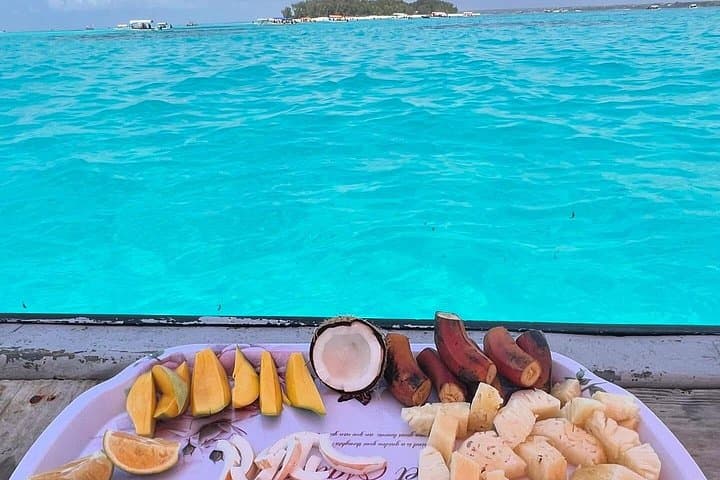


A small motorboat pushes off the reef and the island grows larger: a crescent of white sand, ragged coral fringe and palms that lean like watchful sentries. The water here changes color by the minute—pale turquoise over sand, jewel-green over seagrass, navy where the drop-off begins—and the boat’s wake seems to wake the ocean itself as it breaks toward the sandbank.
A small motorboat pushes off the reef and the island grows larger: a crescent of white sand, ragged coral fringe and palms that lean like watchful sentries. The water here changes color by the minute—pale turquoise over sand, jewel-green over seagrass, navy where the drop-off begins—and the boat’s wake seems to wake the ocean itself as it breaks toward the sandbank.
Mnemba Island sits off Zanzibar’s northeast coast as a compact coral atoll formed by generations of reef growth. Historically the atoll and surrounding waters were part of local fishing grounds and today are managed as a protected marine area; the island’s private ownership and conservation rules help preserve its coral gardens and resident fish populations.
Swahili culture on Unguja is visible in the fishing dhows, coastal villages, and the fruit platters served ashore—simple, fresh, and driven by local rhythms. Geology is straightforward: living coral building lagoon basins and a narrow sandbank that appears at low tide.
Practically, expect a 4–5 hour excursion from Matemwe or the north coast. Guides put swimmers on shallow reef flats first, then deeper coral bommies; dolphin sightings are possible but never guaranteed. Bring reef‑safe sunscreen, a well-fitting mask (snorkel sets are often supplied), and a sense of patience—currents can be stronger around the atoll and shaded reef channels demand careful finning.
Timing matters: morning trips usually offer calmer seas and clearer water; low tide exposes photo-friendly sandbanks. Respect the reef—avoid standing on coral, follow guide instructions, and support local conservation by using provided bins and paying required fees. With modest planning, the day is an accessible, vivid window into Zanzibar’s marine life and coastal culture.