THE ADVENTURE COLLECTIVE® · Independent discovery and booking for outdoor travel

Spend a day chasing dolphins off Mnemba, tracking rare red colobus monkeys in Jozani Forest, and swimming with rehabilitated sea turtles — all while learning about local conservation. This full-day nature trip combines calm snorkeling, easy forest walks, and hands-on wildlife education.
Spend a day chasing dolphins off Mnemba, tracking rare red colobus monkeys in Jozani Forest, and swimming with rehabilitated sea turtles — all while learning about local conservation. This full-day nature trip combines calm snorkeling, easy forest walks, and hands-on wildlife education.
Morning light breaks over the Indian Ocean as the boat slips away from Unguja’s shore and the sea opens like a living map. Dolphins cut through the glassy surface — curious arcs and spray that seem to dare you closer — and the guide radios soft instructions while you don a mask and step into a reef garden of branching corals and fluorescent fish.
Verified experiences and guided adventures in the surrounding area.
Operated by Zanturtle Explore Tours and Safaris · Stone Town, Zanzibar
Morning light breaks over the Indian Ocean as the boat slips away from Unguja’s shore and the sea opens like a living map. Dolphins cut through the glassy surface — curious arcs and spray that seem to dare you closer — and the guide radios soft instructions while you don a mask and step into a reef garden of branching corals and fluorescent fish.
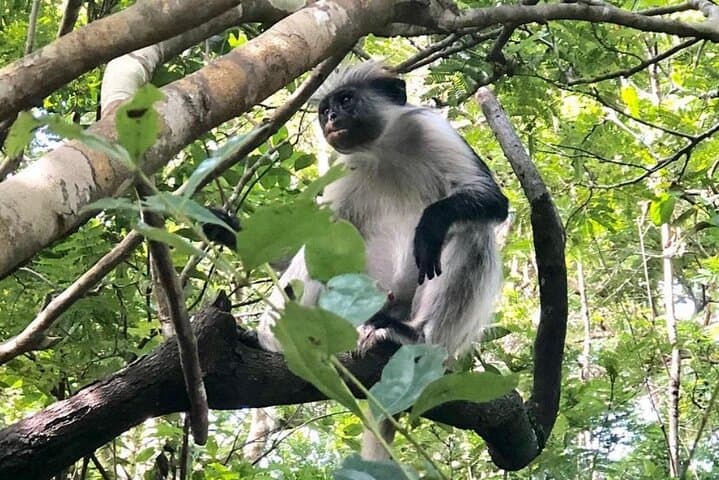
This itinerary stitches three distinct ecosystems: Mnemba’s offshore reefs shaped by coral growth over millennia, Jozani’s groundwater forest where red colobus monkeys move with deliberate mischief, and the shallow bays around Salaam Cave Aquarium where injured or recovering sea turtles are cared for. Zanzibar’s coast bears layers of history — Swahili trading ports, Omani influence, and a modern conservation movement balancing tourism with fragile habitats.
Expect easy walking on soft forest trails, short boardwalks through mangroves, and multiple snorkel stops; total outing time runs most of the day. Guides emphasize gentle encounters: keep distance from dolphins, avoid touching coral or turtles, and use reef-safe sunscreen. Practical rhythms matter — mornings are best for calm seas and active dolphins, while afternoons bring onshore winds.
Bring basic swim competency, sun protection, and a dry bag for phones. Local guides often include bottled water and a light lunch of tropical fruits; tipping is customary. The trip delivers both spectacle and a front-row lesson in coastal ecology, offering clear encounters with animals and a sense of how communities and conservation intersect on Zanzibar’s shores.
moderate.
8–9 hours.
Moderate fitness—comfortable swimming short snorkel sessions and walking 1–2 miles on uneven forest and mangrove boardwalks.
Dolphins are commonly sighted but wild animals are unpredictable; mornings improve chances and guides will position the boat for observation without chasing them.
Most tours provide masks, snorkels, and fins; you can bring your own for a better fit and hygiene.
Tours welcome non-swimmers for forest and aquarium portions, but basic water confidence is required for offshore snorkel stops and open-boat transfers.
Reputable operations work with rehabilitation programs; turtle swims are supervised with limits to avoid stress and support conservation messaging.
Unguja (Zanzibar) has long been a Swahili trade hub influenced by African, Arab, and Persian cultures; coastal communities still practice traditional boatbuilding and fishing.
Local groups balance tourism with reef and mangrove protection—visitors should avoid touching coral, use reef-safe sunscreen, and support licensed guides.
Zanturtle Explore Tours and Safaris operates guided outdoor trips and adventures with an emphasis on safety, stewardship, and memorable experiences.
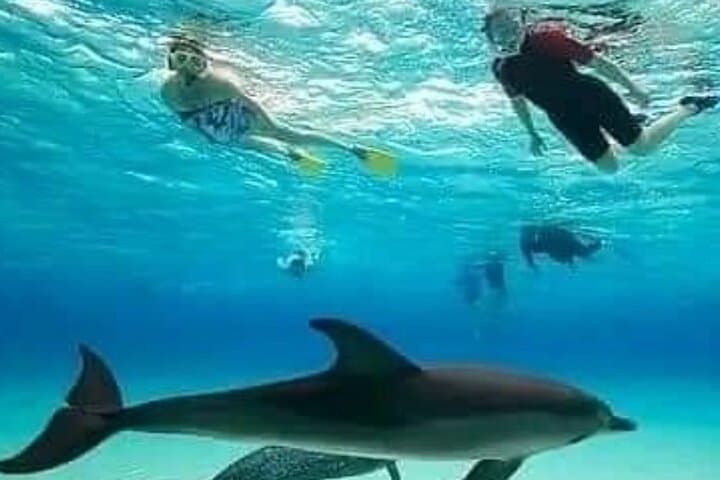


Morning light breaks over the Indian Ocean as the boat slips away from Unguja’s shore and the sea opens like a living map. Dolphins cut through the glassy surface — curious arcs and spray that seem to dare you closer — and the guide radios soft instructions while you don a mask and step into a reef garden of branching corals and fluorescent fish.
Morning light breaks over the Indian Ocean as the boat slips away from Unguja’s shore and the sea opens like a living map. Dolphins cut through the glassy surface — curious arcs and spray that seem to dare you closer — and the guide radios soft instructions while you don a mask and step into a reef garden of branching corals and fluorescent fish.
This itinerary stitches three distinct ecosystems: Mnemba’s offshore reefs shaped by coral growth over millennia, Jozani’s groundwater forest where red colobus monkeys move with deliberate mischief, and the shallow bays around Salaam Cave Aquarium where injured or recovering sea turtles are cared for. Zanzibar’s coast bears layers of history — Swahili trading ports, Omani influence, and a modern conservation movement balancing tourism with fragile habitats.
Expect easy walking on soft forest trails, short boardwalks through mangroves, and multiple snorkel stops; total outing time runs most of the day. Guides emphasize gentle encounters: keep distance from dolphins, avoid touching coral or turtles, and use reef-safe sunscreen. Practical rhythms matter — mornings are best for calm seas and active dolphins, while afternoons bring onshore winds.
Bring basic swim competency, sun protection, and a dry bag for phones. Local guides often include bottled water and a light lunch of tropical fruits; tipping is customary. The trip delivers both spectacle and a front-row lesson in coastal ecology, offering clear encounters with animals and a sense of how communities and conservation intersect on Zanzibar’s shores.