THE ADVENTURE COLLECTIVE® · Independent discovery and booking for outdoor travel

Explore Mlini’s pebble coves, Villa Bettera, and a hidden 15th‑century chapel on a 2‑hour private walking tour. Learn local history—from the Dubrovnik Republic to the 1667 earthquake—while following an easy coastal route.
Explore Mlini’s pebble coves, Villa Bettera, and a hidden 15th‑century chapel on a 2‑hour private walking tour. Learn local history—from the Dubrovnik Republic to the 1667 earthquake—while following an easy coastal route.
A cool breeze from the Adriatic moves across pale pebble beaches as you step off the coastal road into Mlini’s slow rhythm—sea lapping, stone paths, and the green hush of olive trees. The 2-hour guided walk threads you along a short stretch of Dubrovnik’s Riviera where abandoned Villa Bettera sits half-hidden in a secluded cove and a tiny 15th‑century church keeps its quiet watch.
Verified experiences and guided adventures in the surrounding area.
Operated by 3 keys guided tours · Mlini, Dubrovnik-Neretva County
A cool breeze from the Adriatic moves across pale pebble beaches as you step off the coastal road into Mlini’s slow rhythm—sea lapping, stone paths, and the green hush of olive trees. The 2-hour guided walk threads you along a short stretch of Dubrovnik’s Riviera where abandoned Villa Bettera sits half-hidden in a secluded cove and a tiny 15th‑century church keeps its quiet watch.
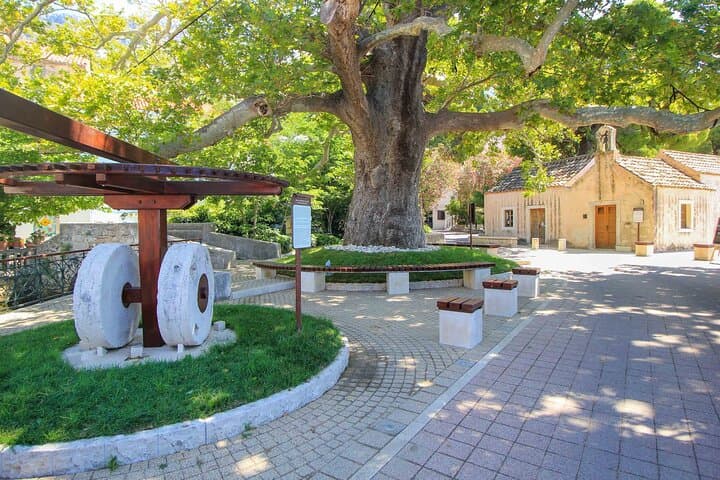
Mlini’s story is tied to water: its name means “mills,” a reminder of freshwater springs that once powered local industry. Walk with a guide who explains how the Republic of Ragusa (Dubrovnik) governed this coast, how the catastrophic 1667 earthquake reshaped its streets and stonework, and how plague-era public health rules influenced local architecture.
Geologically the coastline is karst limestone—waves polish flint-gray pebbles and carve small coves ideal for a pause and a view. Culturally, Mlini remains a fishing and olive-farming outpost; you’ll hear local legends about ghost-summoning sessions tied to Villa Bettera and the mysterious death of an aristocratic woman.
Practical: the route is easy on firm paths and pebble shores but expect uneven footing and short stair sections. The private 2-hour tour includes a licensed guide; public transport and parking are nearby. Bring sun protection, sturdy shoes for pebbles, and a reusable water bottle. If you want to swim, pack a towel—the guide can point out the best cove to slip into the clear Adriatic.
easy.
2 hours.
Suitable for all fitness levels; participants should be able to walk on uneven pebble and stone surfaces for up to two hours.
Yes—this is an easy, paced walk suitable for families and older visitors, though some pebble sections may require careful footing.
The guide can point out a secluded cove suitable for a short swim, but swimming isn’t a formal part of the itinerary—bring a towel if you plan to go in.
Public buses run between Dubrovnik and Mlini and there’s local parking; confirm the exact meeting spot with the operator after booking.
The tour price covers a licensed guide; admissions to any privately managed sites are not listed as included—ask the operator if you plan to enter specific properties.
Mlini was shaped by the Republic of Ragusa’s maritime economy and later by the devastating 1667 earthquake that altered Dubrovnik’s urban fabric; the name 'Mlini' refers to historic watermills fed by coastal springs.
Stick to paths, avoid disturbing ruins and coastal vegetation, and minimize single-use plastics to protect the karst shoreline and marine habitat.
3 keys guided tours operates guided outdoor trips and adventures with an emphasis on safety, stewardship, and memorable experiences.
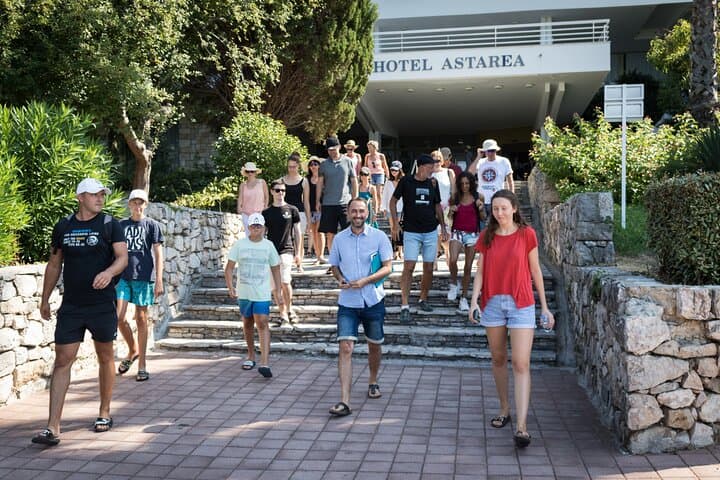
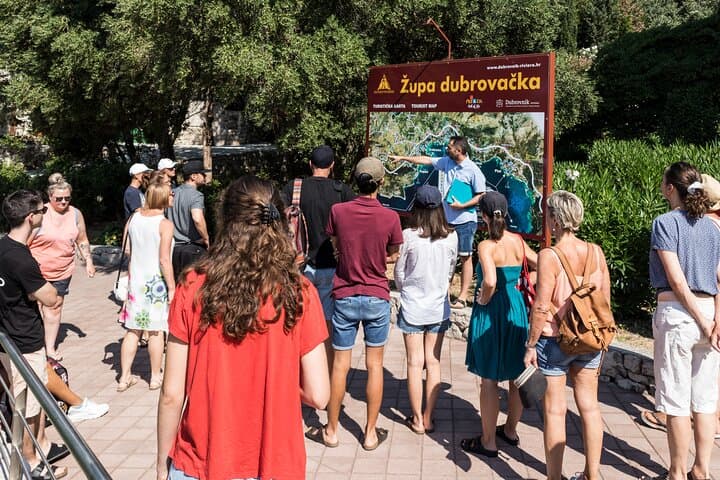
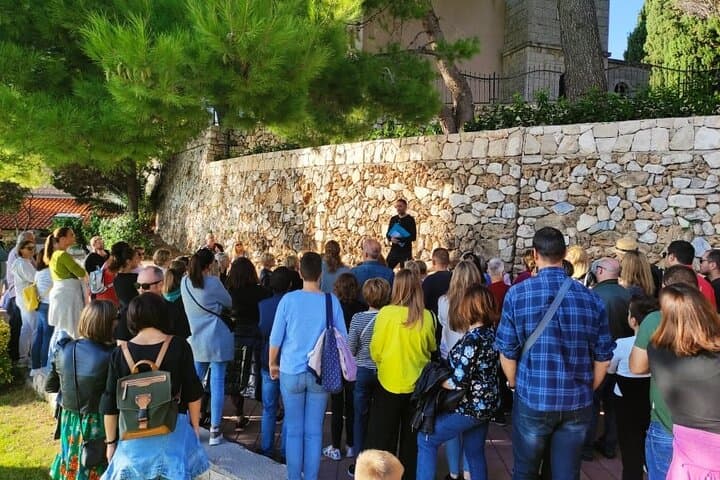
A cool breeze from the Adriatic moves across pale pebble beaches as you step off the coastal road into Mlini’s slow rhythm—sea lapping, stone paths, and the green hush of olive trees. The 2-hour guided walk threads you along a short stretch of Dubrovnik’s Riviera where abandoned Villa Bettera sits half-hidden in a secluded cove and a tiny 15th‑century church keeps its quiet watch.
A cool breeze from the Adriatic moves across pale pebble beaches as you step off the coastal road into Mlini’s slow rhythm—sea lapping, stone paths, and the green hush of olive trees. The 2-hour guided walk threads you along a short stretch of Dubrovnik’s Riviera where abandoned Villa Bettera sits half-hidden in a secluded cove and a tiny 15th‑century church keeps its quiet watch.
Mlini’s story is tied to water: its name means “mills,” a reminder of freshwater springs that once powered local industry. Walk with a guide who explains how the Republic of Ragusa (Dubrovnik) governed this coast, how the catastrophic 1667 earthquake reshaped its streets and stonework, and how plague-era public health rules influenced local architecture.
Geologically the coastline is karst limestone—waves polish flint-gray pebbles and carve small coves ideal for a pause and a view. Culturally, Mlini remains a fishing and olive-farming outpost; you’ll hear local legends about ghost-summoning sessions tied to Villa Bettera and the mysterious death of an aristocratic woman.
Practical: the route is easy on firm paths and pebble shores but expect uneven footing and short stair sections. The private 2-hour tour includes a licensed guide; public transport and parking are nearby. Bring sun protection, sturdy shoes for pebbles, and a reusable water bottle. If you want to swim, pack a towel—the guide can point out the best cove to slip into the clear Adriatic.