THE ADVENTURE COLLECTIVE® · Independent discovery and booking for outdoor travel

Swim with sea turtles in the clear, warm waters off Miyakojima. This 90-minute snorkeling tour targets coral gardens with a high chance of turtle sightings and includes all gear and pickup options.
Swim with sea turtles in the clear, warm waters off Miyakojima. This 90-minute snorkeling tour targets coral gardens with a high chance of turtle sightings and includes all gear and pickup options.
The water here is clear enough to read a map from the surface — an aquarium of waving coral and darting fish where sea turtles glide like slow, deliberate shadows. You step from the boat or sandy shallows into warm Pacific water and the guide points: a pale belly, a crown of barnacled shell. The encounter feels inevitable; in Miyakojima, green and hawksbill turtles return to the same feeding grounds year after year.
Verified experiences and guided adventures in the surrounding area.
Operated by SUNSHINE MARIN Miyakojima · Miyakojima, Okinawa Prefecture
The water here is clear enough to read a map from the surface — an aquarium of waving coral and darting fish where sea turtles glide like slow, deliberate shadows. You step from the boat or sandy shallows into warm Pacific water and the guide points: a pale belly, a crown of barnacled shell. The encounter feels inevitable; in Miyakojima, green and hawksbill turtles return to the same feeding grounds year after year.
Miyakojima sits at the eastern edge of the Ryukyu archipelago. The island’s limestone base and coral uplift tell a geological story of reef growth and slow rise; local fishing villages date to the Ryukyu Kingdom era and still celebrate sea harvests and boat culture. Marine terraces and wide beaches frame the snorkeling sites, and currents sweeping between islands concentrate plankton — what draws turtles to feed.
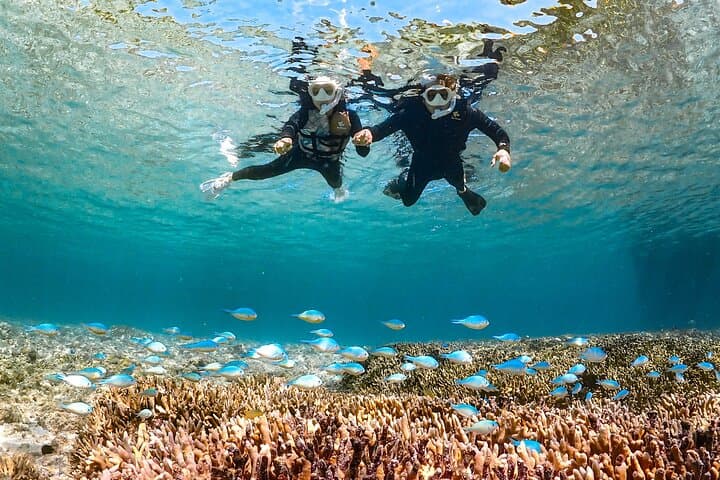
Expect shallow coral gardens, pockets of deeper channels, and abundant reef fish: parrotfish, butterflyfish, and wrasse. Guides tailor the route to tides and visibility; visibility between 10–30 meters is common in good conditions. Tours run about 90 minutes and provide all equipment; operators emphasize distance and no-touch rules to protect animals and coral.
Practical tips: arrive hydrated and with reef-safe sunscreen, wear a snug mask and reef shoes for rocky entry points, and pick morning slots for calmer seas. Even beginners can join — relax, breathe slowly, and let the current and guide position you for the best, respectful view of Miyakojima’s slow swimmers.
easy.
1.5 hours.
Suitable for beginners and casual swimmers; comfortable basic swimming ability and ability to float are sufficient.
No guarantee, but guides target sites with a very high probability of turtle encounters; sightings are common when conditions and tides align.
No — tours are designed for beginners and families; guides brief basic techniques and accompany swimmers throughout the session.
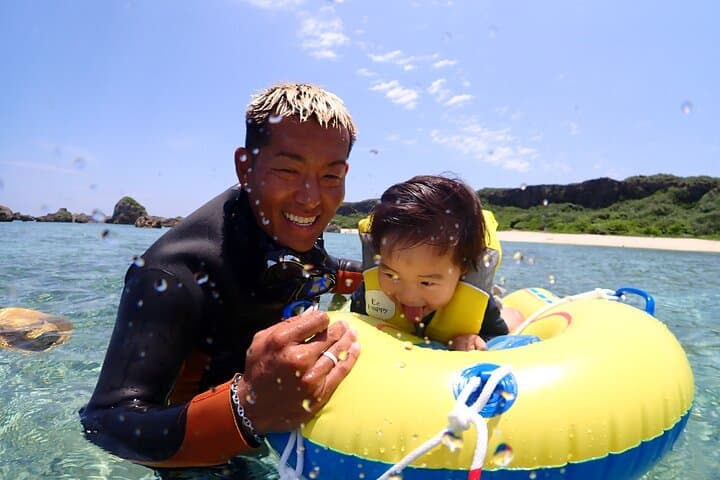
Most operators accept participants from toddlers with flotation up to seniors; check the operator’s specific age and health requirements before booking.
Yes — maintain distance from wildlife, do not touch turtles or coral, and use reef-safe sunscreen and no single-use plastics around marine areas.
Miyakojima’s communities have long ties to Ryukyuan fishing culture; local reefs supported generations of coastal livelihoods and harvest festivals.
Operators promote reef-safe practices and minimal-impact encounters; avoid touching coral, keep distance from turtles, and use reef-safe sun protection to reduce harm to the ecosystem.
SUNSHINE MARIN Miyakojima operates guided outdoor trips and adventures with an emphasis on safety, stewardship, and memorable experiences.
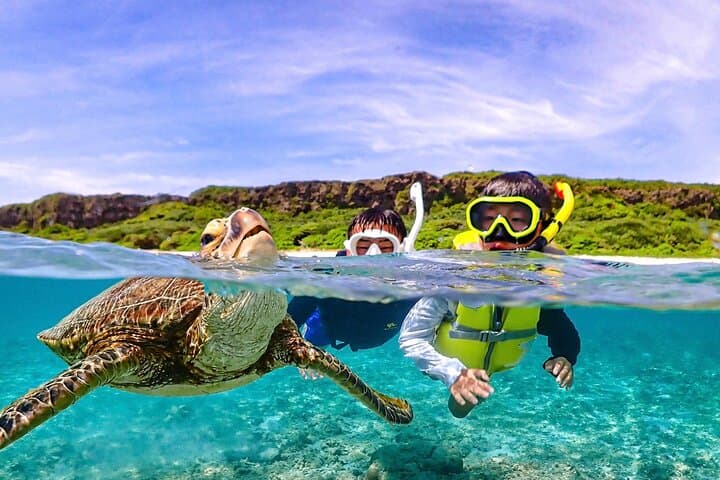
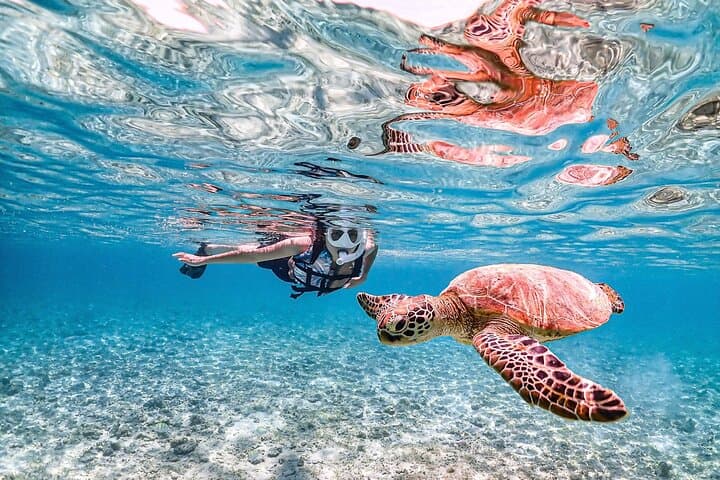
The water here is clear enough to read a map from the surface — an aquarium of waving coral and darting fish where sea turtles glide like slow, deliberate shadows. You step from the boat or sandy shallows into warm Pacific water and the guide points: a pale belly, a crown of barnacled shell. The encounter feels inevitable; in Miyakojima, green and hawksbill turtles return to the same feeding grounds year after year.
The water here is clear enough to read a map from the surface — an aquarium of waving coral and darting fish where sea turtles glide like slow, deliberate shadows. You step from the boat or sandy shallows into warm Pacific water and the guide points: a pale belly, a crown of barnacled shell. The encounter feels inevitable; in Miyakojima, green and hawksbill turtles return to the same feeding grounds year after year.
Miyakojima sits at the eastern edge of the Ryukyu archipelago. The island’s limestone base and coral uplift tell a geological story of reef growth and slow rise; local fishing villages date to the Ryukyu Kingdom era and still celebrate sea harvests and boat culture. Marine terraces and wide beaches frame the snorkeling sites, and currents sweeping between islands concentrate plankton — what draws turtles to feed.
Expect shallow coral gardens, pockets of deeper channels, and abundant reef fish: parrotfish, butterflyfish, and wrasse. Guides tailor the route to tides and visibility; visibility between 10–30 meters is common in good conditions. Tours run about 90 minutes and provide all equipment; operators emphasize distance and no-touch rules to protect animals and coral.
Practical tips: arrive hydrated and with reef-safe sunscreen, wear a snug mask and reef shoes for rocky entry points, and pick morning slots for calmer seas. Even beginners can join — relax, breathe slowly, and let the current and guide position you for the best, respectful view of Miyakojima’s slow swimmers.