THE ADVENTURE COLLECTIVE® · Independent discovery and booking for outdoor travel

A focused four-hour private tour from Hiroshima that covers the UNESCO-listed Itsukushima Shrine, optional Daisho-in Temple, and street views of Senjokaku and the five-storied pagoda. Expect tide-dependent views, steady walking and local historical insight from a certified guide.
A focused four-hour private tour from Hiroshima that covers the UNESCO-listed Itsukushima Shrine, optional Daisho-in Temple, and street views of Senjokaku and the five-storied pagoda. Expect tide-dependent views, steady walking and local historical insight from a certified guide.
You step off the train at Hiroshima, the guide already waiting with practiced calm, and within the hour the city gives way to bright water and a vermilion gate rising out of the tide. Miyajima—officially Itsukushima—moves like a small island-stage: tide pulls the sand away to reveal the shrine’s pillars, deer browse along the waterfront, and wooden walkways creak underfoot as you aim for the shore.
Verified experiences and guided adventures in the surrounding area.
Operated by Hiroshima custom tour by certified guide Pancho (in English) · Hatsukaichi, Hiroshima Prefecture
You step off the train at Hiroshima, the guide already waiting with practiced calm, and within the hour the city gives way to bright water and a vermilion gate rising out of the tide. Miyajima—officially Itsukushima—moves like a small island-stage: tide pulls the sand away to reveal the shrine’s pillars, deer browse along the waterfront, and wooden walkways creak underfoot as you aim for the shore.
This four-hour private tour frames Miyajima’s layered history and geology: the shrine complex dates to the 12th century when sea-level shrine architecture and Shinto ritual fused on a volcanic island slope. Senjokaku’s open pavilion and the five-storied pagoda reflect Muromachi and later Buddhist influences; Mingled granite and pyroclastic soils shape green slopes that feed Momijidani’s valleys.
Expect steady walking, some stairs at temple sites, and a practical mix of cultural stops—Itsukushima Shrine (UNESCO), optional Daisho-in Temple, street-side views of Senjokaku and the pagoda, and a return on the local JR train. The guide weaves stories of Taira patronage, shrine restoration, and local crafts while managing logistics: ferry timing, tide awareness, and the quiet etiquette around shrine precincts.
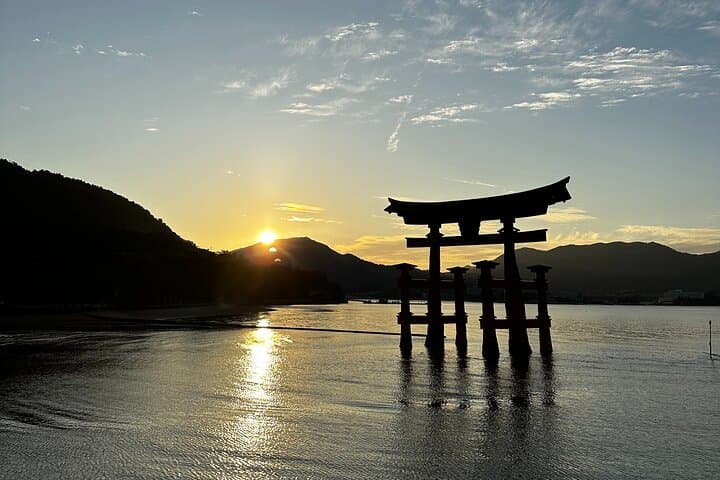
Bring sensible footwear, a light rain layer, and cash for small donations or tram snacks. Morning visits mean softer light on the torii and thinner crowds; late afternoon yields warmer colors and longer shadows. This tour balances photogenic highlights with contextual history and practical pacing, ideal for travelers who want cultural depth without a long hike.
moderate.
4 hours.
Moderate fitness—comfortable on your feet for several hours and able to climb stairs.
The tour covers the guide fee; passengers typically pay ferry or JR ferry fares separately—your guide will advise the best option and timing.
Much of the island and promenade are accessible, but some temple areas and certain viewing points involve steps—check with the operator in advance for specific access needs.
Tide windows vary—a four-hour tour may show only one tide state; guides choose timing to maximize visual impact based on the day's tide schedule.
Yes—Daisho-in is listed as an optional stop and can be included subject to pacing and group interest; it involves additional stairs and focused time in temple halls.
Itsukushima Shrine’s current complex largely dates to 1168 under Taira no Kiyomori; the island has been a ritual site tied to sea travel and Shinto practice for centuries.
As a UNESCO site, visitor numbers are managed to protect wooden structures and shoreline ecology; avoid feeding deer, pack out trash, and follow path restrictions to limit erosion.
Hiroshima custom tour by certified guide Pancho (in English) operates guided outdoor trips and adventures with an emphasis on safety, stewardship, and memorable experiences.
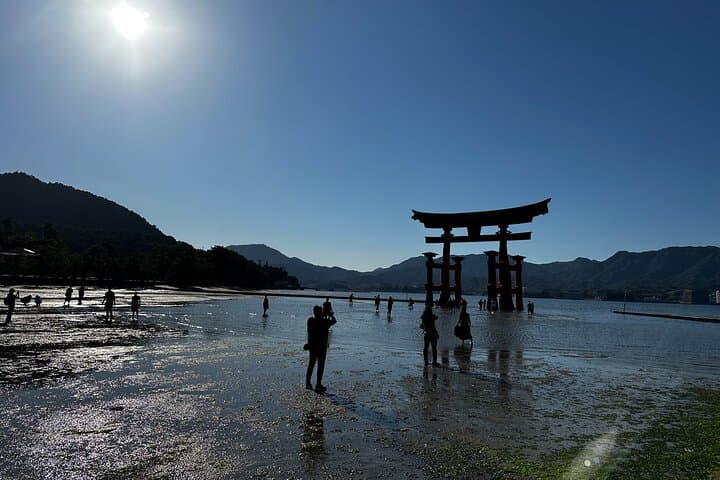
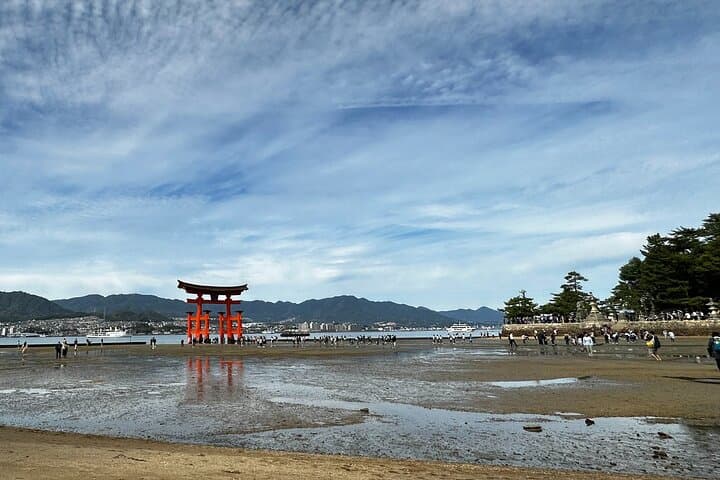
You step off the train at Hiroshima, the guide already waiting with practiced calm, and within the hour the city gives way to bright water and a vermilion gate rising out of the tide. Miyajima—officially Itsukushima—moves like a small island-stage: tide pulls the sand away to reveal the shrine’s pillars, deer browse along the waterfront, and wooden walkways creak underfoot as you aim for the shore.
You step off the train at Hiroshima, the guide already waiting with practiced calm, and within the hour the city gives way to bright water and a vermilion gate rising out of the tide. Miyajima—officially Itsukushima—moves like a small island-stage: tide pulls the sand away to reveal the shrine’s pillars, deer browse along the waterfront, and wooden walkways creak underfoot as you aim for the shore.
This four-hour private tour frames Miyajima’s layered history and geology: the shrine complex dates to the 12th century when sea-level shrine architecture and Shinto ritual fused on a volcanic island slope. Senjokaku’s open pavilion and the five-storied pagoda reflect Muromachi and later Buddhist influences; Mingled granite and pyroclastic soils shape green slopes that feed Momijidani’s valleys.
Expect steady walking, some stairs at temple sites, and a practical mix of cultural stops—Itsukushima Shrine (UNESCO), optional Daisho-in Temple, street-side views of Senjokaku and the pagoda, and a return on the local JR train. The guide weaves stories of Taira patronage, shrine restoration, and local crafts while managing logistics: ferry timing, tide awareness, and the quiet etiquette around shrine precincts.
Bring sensible footwear, a light rain layer, and cash for small donations or tram snacks. Morning visits mean softer light on the torii and thinner crowds; late afternoon yields warmer colors and longer shadows. This tour balances photogenic highlights with contextual history and practical pacing, ideal for travelers who want cultural depth without a long hike.