THE ADVENTURE COLLECTIVE® · Independent discovery and booking for outdoor travel

Cross the Seto Inland Sea to Miyajima and move from the floating Itsukushima Shrine to the sacred heights of Mount Misen in one thoughtfully paced day. This guided tour bundles ferry, ropeway, and cultural stops so you experience the island’s religious sites, primeval forest, and local flavors without the logistics stress.
Cross the Seto Inland Sea to Miyajima and move from the floating Itsukushima Shrine to the sacred heights of Mount Misen in one thoughtfully paced day. This guided tour bundles ferry, ropeway, and cultural stops so you experience the island’s religious sites, primeval forest, and local flavors without the logistics stress.
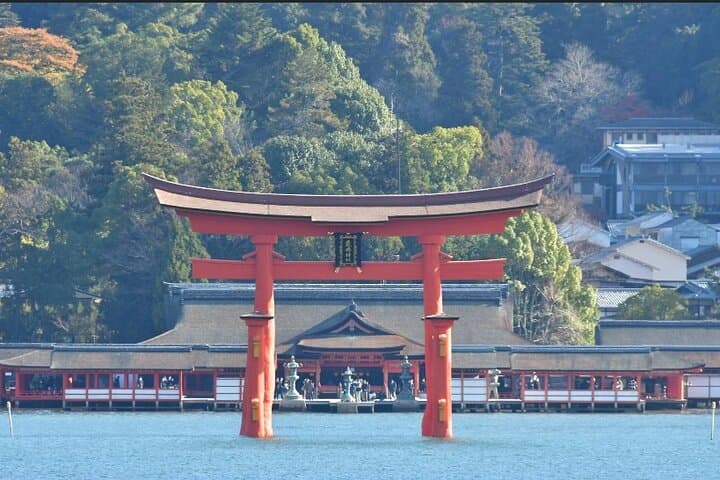
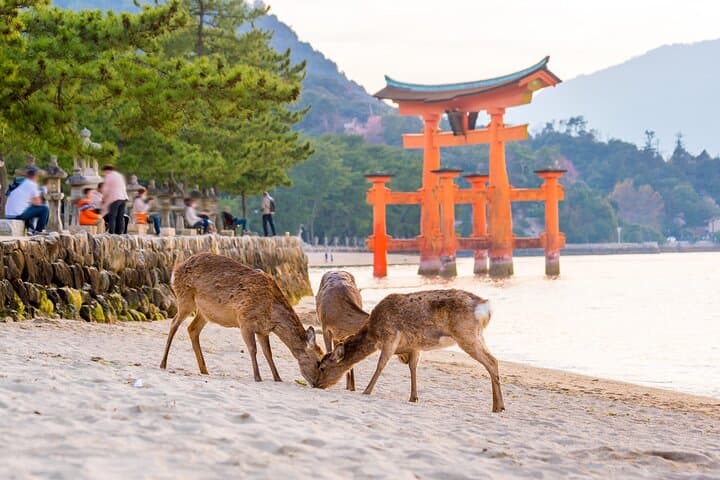
A low, salty wind greets you as the ferry slices across the Seto Inland Sea and the vermillion torii of Itsukushima appears to rise from the water like a guardian. Walk ashore and the island shifts: pilgrims' prayers and the chatter of street vendors mix with forest smells that climb toward Mount Misen.
Verified experiences and guided adventures in the surrounding area.
Operated by LironGuidesHiroshima · Hatsukaichi, Hiroshima Prefecture
A low, salty wind greets you as the ferry slices across the Seto Inland Sea and the vermillion torii of Itsukushima appears to rise from the water like a guardian. Walk ashore and the island shifts: pilgrims' prayers and the chatter of street vendors mix with forest smells that climb toward Mount Misen.
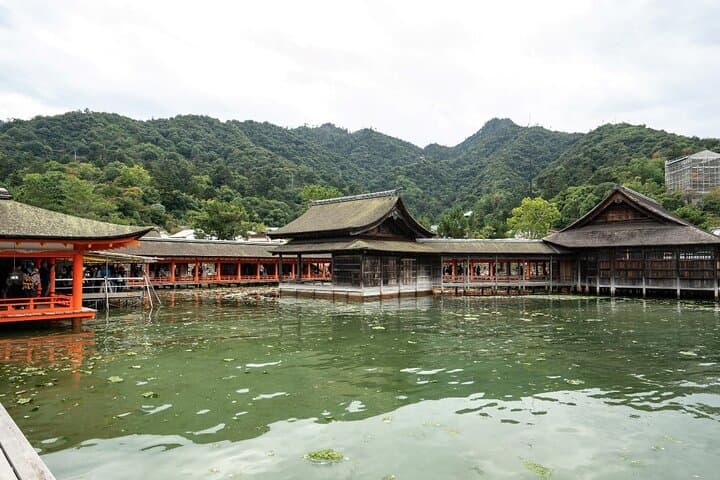
Itsukushima Shrine — a UNESCO site built on pilings — and the five-storied pagoda are relics of centuries of Shinto and Buddhist practice. Mount Misen is an ancient volcanic dome; its primeval forest was left largely undisturbed and shelters trails and the Reikado Pavilion, where a flame lit by the monk Kūkai has burned for more than 1,200 years and later helped rekindle Hiroshima’s Flame of Peace.
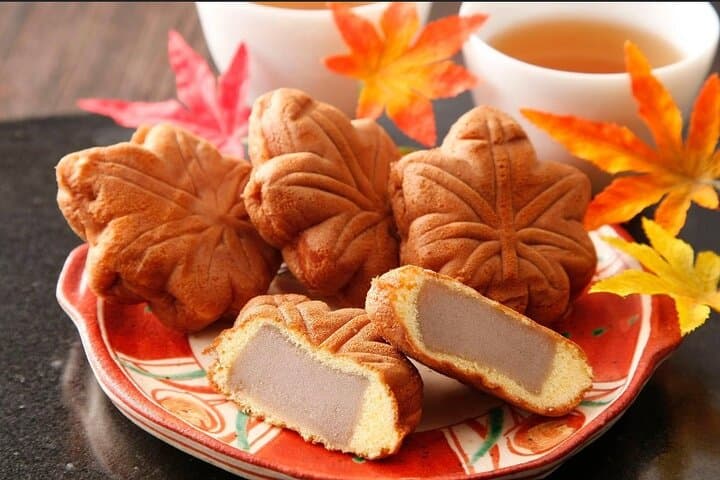
The day moves from sea level to summit: a short ferry, temple strolls, Momijidani Park's maples, a ropeway ascent over moss and cedar, and a summit lookout that frames the scatter of islands like ink drops on the sea. Local culture shows up in food—Hiroshima-style okonomiyaki and maple-leaf sweets—plus small shops along Omotesando Street.
Practical edge: the tour covers round-trip train and ferry transfers and the Mt. Misen ropeway, so expect 7–8 hours of mixed walking and standing. Tide times change where you can photograph the torii; morning light and low tide make the best shots. Wear grippy shoes for temple steps and short trails, pack a light rain layer (weather on islands shifts fast), bring cash for snacks, and carry water—town services are available but lines form at peak season. The route is suitable for most fitness levels, with optional uphill sections replaced by the ropeway for those who prefer it.
moderate.
7–8 hours.
Suitable for most people with reasonable mobility; involves walking on uneven temple steps and short trails, though ropeway reduces strenuous climbing.
Yes—this tour includes round-trip train to Miyajima Terminal, the ferry crossing, and the Mt. Misen ropeway as stated in the itinerary.
Lunch featuring local Hiroshima okonomiyaki is included, with vegetarian options available; bring cash for additional snacks or souvenirs.
The itinerary notes wheelchair accessibility and the ropeway reduces steep walking, but some temple areas and summit viewpoints include steps—contact the operator to discuss specific needs.
Weekday mornings outside peak cherry-blossom and autumn foliage weeks are quieter; aim for early arrivals to capture the torii in soft light and lower tides.
Itsukushima Shrine’s over-water architecture dates back centuries as a Shinto pilgrimage site; Mount Misen’s Reikado flame, connected to Kūkai, links the island to regional Buddhist history.
Miyajima manages visitor impact through designated paths and local rules—don’t feed wildlife, follow signage at sacred sites, and use trash and recycling points to protect the island’s fragile forests.
LironGuidesHiroshima operates guided outdoor trips and adventures with an emphasis on safety, stewardship, and memorable experiences.
A low, salty wind greets you as the ferry slices across the Seto Inland Sea and the vermillion torii of Itsukushima appears to rise from the water like a guardian. Walk ashore and the island shifts: pilgrims' prayers and the chatter of street vendors mix with forest smells that climb toward Mount Misen.
A low, salty wind greets you as the ferry slices across the Seto Inland Sea and the vermillion torii of Itsukushima appears to rise from the water like a guardian. Walk ashore and the island shifts: pilgrims' prayers and the chatter of street vendors mix with forest smells that climb toward Mount Misen.
Itsukushima Shrine — a UNESCO site built on pilings — and the five-storied pagoda are relics of centuries of Shinto and Buddhist practice. Mount Misen is an ancient volcanic dome; its primeval forest was left largely undisturbed and shelters trails and the Reikado Pavilion, where a flame lit by the monk Kūkai has burned for more than 1,200 years and later helped rekindle Hiroshima’s Flame of Peace.
The day moves from sea level to summit: a short ferry, temple strolls, Momijidani Park's maples, a ropeway ascent over moss and cedar, and a summit lookout that frames the scatter of islands like ink drops on the sea. Local culture shows up in food—Hiroshima-style okonomiyaki and maple-leaf sweets—plus small shops along Omotesando Street.
Practical edge: the tour covers round-trip train and ferry transfers and the Mt. Misen ropeway, so expect 7–8 hours of mixed walking and standing. Tide times change where you can photograph the torii; morning light and low tide make the best shots. Wear grippy shoes for temple steps and short trails, pack a light rain layer (weather on islands shifts fast), bring cash for snacks, and carry water—town services are available but lines form at peak season. The route is suitable for most fitness levels, with optional uphill sections replaced by the ropeway for those who prefer it.