THE ADVENTURE COLLECTIVE® · Independent discovery and booking for outdoor travel

Explore Itsukushima Shrine, glide past the Great Torii on a coastal cruise, and visit oyster rafts with local producers—then grill fresh Miyajima oysters yourself. This guided half-day mixes cultural history with hands-on coastal food culture.
Explore Itsukushima Shrine, glide past the Great Torii on a coastal cruise, and visit oyster rafts with local producers—then grill fresh Miyajima oysters yourself. This guided half-day mixes cultural history with hands-on coastal food culture.
Step off the ferry and the sea pulls your eyes to the Great Torii rising just offshore, orange against the slow green of Seto Inland Sea.
Verified experiences and guided adventures in the surrounding area.
Operated by Discover Chugoku Shikoku (DiCS) · Hatsukaichi, Hiroshima Prefecture
Step off the ferry and the sea pulls your eyes to the Great Torii rising just offshore, orange against the slow green of Seto Inland Sea.
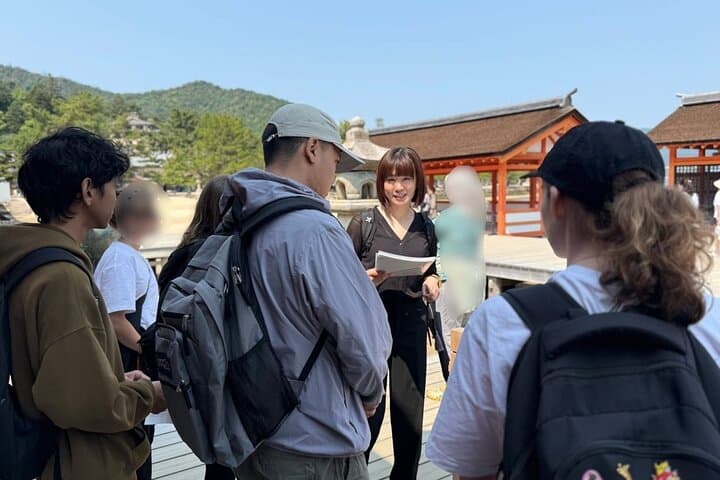
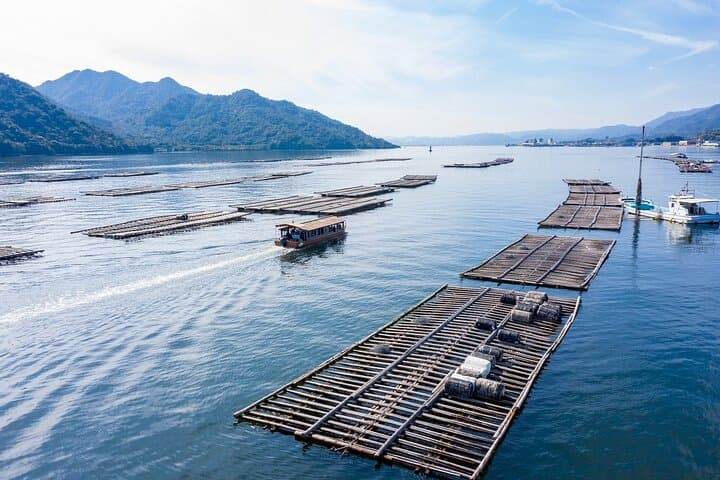
On this guided loop around Miyajima, an English-speaking guide leads the way through centuries-old Shinto architecture at Itsukushima Shrine, where timber pavilions stand on stilts and the tide dictates the shrine’s mood. Walking the souvenir alleyways, the island hums with everyday life: shop clerks, snack stalls, and the distant clink of oyster racks. The cruise that follows brings you close to the Torii from the water and past low-lying oyster rafts—this is Hiroshima’s foremost oyster country, where producers still rely on tidal patterns and careful husbandry.
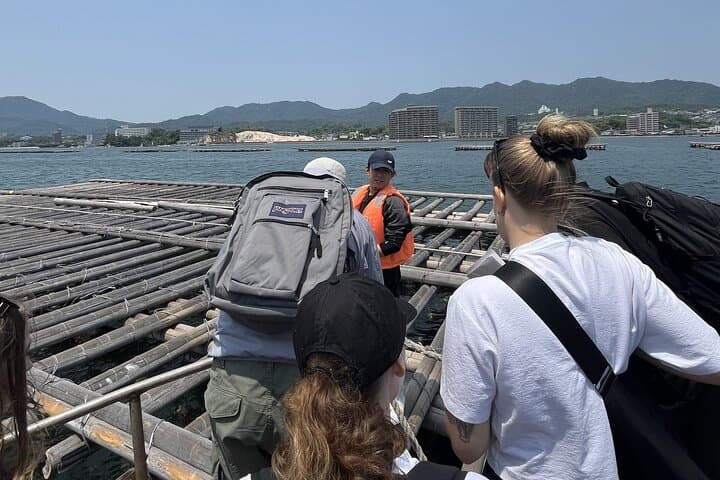
History and culture are tangible: the shrine’s current layout dates to the 12th century and reflects Shinto ideas about purity and approach. Geology is quieter but present—the island’s volcanic backbone, eroded into forested ridges like Mount Misen, shapes streams and viewpoints. Locals combine craft and commerce here; oyster farmers will explain the raft method and seasonal harvest cycles.
Practically, expect easy walking with steps at shrine entrances, a short cruise, and a hands-on grilling lunch at Shimada Suisan. Bring comfortable shoes for cobbled streets, sun protection for the open boat, and be ready for strong tidal breezes. Travelers with shellfish allergies should avoid the lunch; otherwise this is an accessible, sensory-rich half-day that pairs cultural sightlines with a direct taste of regional aquaculture.
easy.
4–5 hours.
Minimal fitness required—short walks, standing during cruise, and negotiating steps at shrine entrances.
Yes—this tour includes the shrine admission as listed in the inclusions.
The cruise and commentary are fine, but the signature oyster feast is central to the tour—notify the operator in advance and avoid the hands-on grilling.
Public transit links connect Hiroshima city to Miyajimaguchi via JR or tram; the tour includes ferry fare and private transfers as described in the inclusions.
Yes—infants are allowed but must sit on an adult’s lap; activities are low-impact and family-friendly.
Itsukushima Shrine’s current layout dates to the 12th century and was designed to appear to float with the tide; the island has been a Shinto pilgrimage site for over a millennium.
Oyster farming here is closely managed for water quality and yield; visitors are encouraged to follow marked paths, avoid disturbing wildlife, and support local businesses to fund preservation.
Discover Chugoku Shikoku (DiCS) operates guided outdoor trips and adventures with an emphasis on safety, stewardship, and memorable experiences.
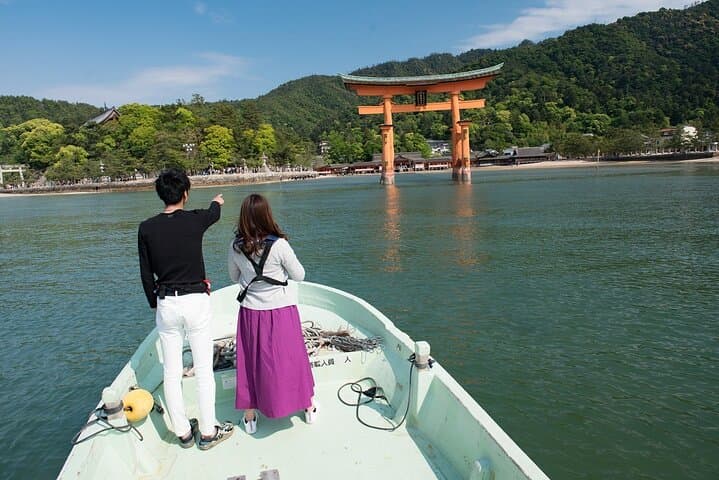
Step off the ferry and the sea pulls your eyes to the Great Torii rising just offshore, orange against the slow green of Seto Inland Sea.
Step off the ferry and the sea pulls your eyes to the Great Torii rising just offshore, orange against the slow green of Seto Inland Sea.
On this guided loop around Miyajima, an English-speaking guide leads the way through centuries-old Shinto architecture at Itsukushima Shrine, where timber pavilions stand on stilts and the tide dictates the shrine’s mood. Walking the souvenir alleyways, the island hums with everyday life: shop clerks, snack stalls, and the distant clink of oyster racks. The cruise that follows brings you close to the Torii from the water and past low-lying oyster rafts—this is Hiroshima’s foremost oyster country, where producers still rely on tidal patterns and careful husbandry.
History and culture are tangible: the shrine’s current layout dates to the 12th century and reflects Shinto ideas about purity and approach. Geology is quieter but present—the island’s volcanic backbone, eroded into forested ridges like Mount Misen, shapes streams and viewpoints. Locals combine craft and commerce here; oyster farmers will explain the raft method and seasonal harvest cycles.
Practically, expect easy walking with steps at shrine entrances, a short cruise, and a hands-on grilling lunch at Shimada Suisan. Bring comfortable shoes for cobbled streets, sun protection for the open boat, and be ready for strong tidal breezes. Travelers with shellfish allergies should avoid the lunch; otherwise this is an accessible, sensory-rich half-day that pairs cultural sightlines with a direct taste of regional aquaculture.