THE ADVENTURE COLLECTIVE® · Independent discovery and booking for outdoor travel

Cross the Ibar Bridge and hear first‑hand stories about Mitrovica’s divided past on this human‑scale day tour from Peja. Expect candid local perspectives, a stop at the City Museum, and a communal glass of rakia to punctuate meaningful conversation.
Cross the Ibar Bridge and hear first‑hand stories about Mitrovica’s divided past on this human‑scale day tour from Peja. Expect candid local perspectives, a stop at the City Museum, and a communal glass of rakia to punctuate meaningful conversation.
You arrive from Peja on a cool morning road that opens into a city split by a river and history. The Ibar Bridge is the first thing that takes shape: pedestrians cross, locals watch, and the span itself seems to hold stories on each railing — a literal line between two communities.
Verified experiences and guided adventures in the surrounding area.
Operated by Top Balkan Tours · Mitrovica, Mitrovica District
You arrive from Peja on a cool morning road that opens into a city split by a river and history. The Ibar Bridge is the first thing that takes shape: pedestrians cross, locals watch, and the span itself seems to hold stories on each railing — a literal line between two communities.
The tour moves beyond postcards into Mitrovica’s layered past: Ottoman-era foundations like Isa Beg Mosque, industrial chapters written by the Trepça mines, and post-war divisions visible in urban fabric and monuments. Geology here matters — the valley sits atop ore-rich formations that made Mitrovica a mining hub; remnants of shafts and slag heaps punctuate the skyline and explain the city’s economic arc.
Culturally, expect candid conversation. Local guides offer personal perspectives rather than simplified narratives; a glass of rakia is offered as a social moment to discuss identity, coexistence, and everyday life. The City Museum collects archaeological finds and mining artifacts that frame those discussions in tangible objects.
Practicalities: the full-day itinerary takes about six hours in an air-conditioned vehicle with short on-foot stops at the museum, bridge, and mosque. Wear comfortable walking shoes for uneven sidewalks, carry ID for local checks, and bring small bills for cafés and donations to places of worship. Photography is possible, but ask before shooting people. Timing midweek or early morning reduces crowds and gives a more nuanced view of daily routines.
This tour is a sober, human-side portrait of a divided city — not a sightseeing sprint, but a paced, conversation-first exploration for curious travelers.
easy.
6 hours.
Suitable for most fitness levels; involves short walks and standing at stops
The full-day tour lasts about six hours and includes transport in an air-conditioned vehicle, an English-speaking guide, bottled water, and a glass of rakia.
Yes; the tour is described as physically easy. Infants must sit on an adult’s lap during transport.
The itinerary notes stops at the City Museum but does not indicate paid admissions are included—confirm with the operator before booking.
An English-speaking guide is provided; check availability of other languages when booking.
Mitrovica’s identity is shaped by Ottoman foundations and a 20th‑century mining boom (Trepça), with the Ibar River later marking political and ethnic divisions after the 1999 conflict.
Industrial legacy has left environmental and social challenges; visitors should avoid discarding waste and respect sites under local management or restoration efforts.
Top Balkan Tours operates guided outdoor trips and adventures with an emphasis on safety, stewardship, and memorable experiences.
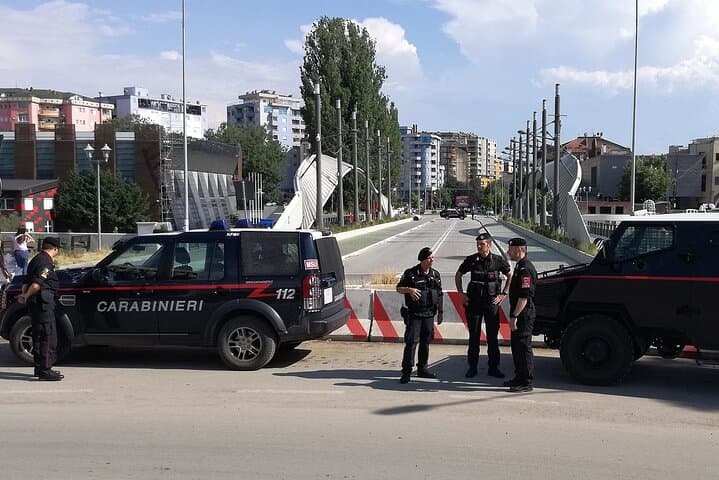
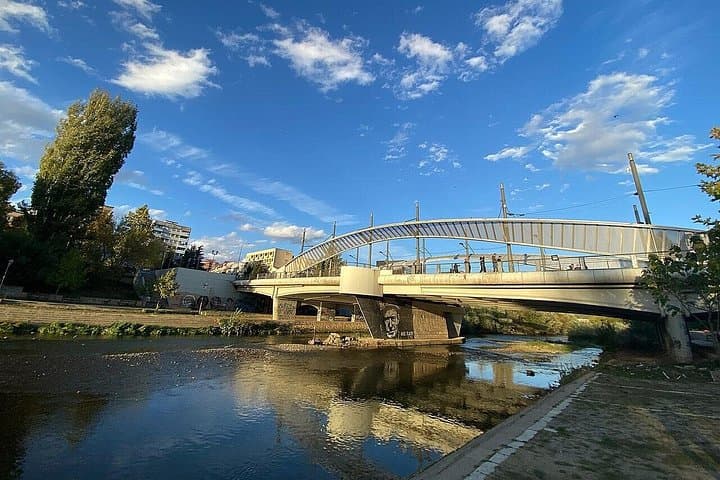
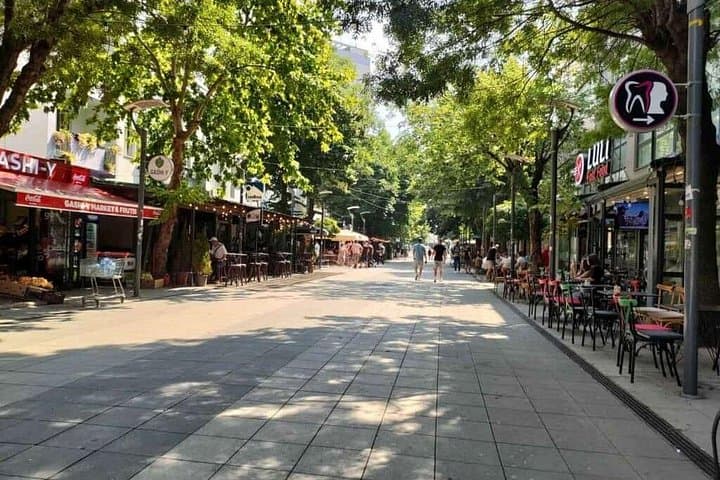
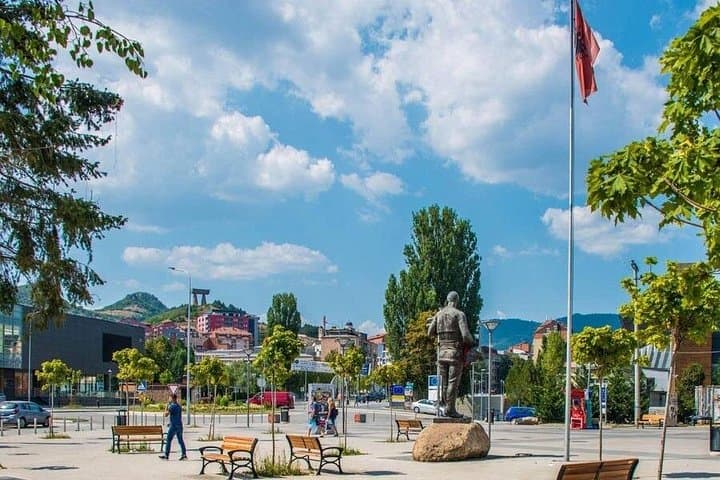
You arrive from Peja on a cool morning road that opens into a city split by a river and history. The Ibar Bridge is the first thing that takes shape: pedestrians cross, locals watch, and the span itself seems to hold stories on each railing — a literal line between two communities.
You arrive from Peja on a cool morning road that opens into a city split by a river and history. The Ibar Bridge is the first thing that takes shape: pedestrians cross, locals watch, and the span itself seems to hold stories on each railing — a literal line between two communities.
The tour moves beyond postcards into Mitrovica’s layered past: Ottoman-era foundations like Isa Beg Mosque, industrial chapters written by the Trepça mines, and post-war divisions visible in urban fabric and monuments. Geology here matters — the valley sits atop ore-rich formations that made Mitrovica a mining hub; remnants of shafts and slag heaps punctuate the skyline and explain the city’s economic arc.
Culturally, expect candid conversation. Local guides offer personal perspectives rather than simplified narratives; a glass of rakia is offered as a social moment to discuss identity, coexistence, and everyday life. The City Museum collects archaeological finds and mining artifacts that frame those discussions in tangible objects.
Practicalities: the full-day itinerary takes about six hours in an air-conditioned vehicle with short on-foot stops at the museum, bridge, and mosque. Wear comfortable walking shoes for uneven sidewalks, carry ID for local checks, and bring small bills for cafés and donations to places of worship. Photography is possible, but ask before shooting people. Timing midweek or early morning reduces crowds and gives a more nuanced view of daily routines.
This tour is a sober, human-side portrait of a divided city — not a sightseeing sprint, but a paced, conversation-first exploration for curious travelers.