THE ADVENTURE COLLECTIVE® · Independent discovery and booking for outdoor travel

Leave Hiroshima’s central memorials behind for a three‑hour walk up Mt. Mitaki to a centuries‑old temple where stone Buddhas, a pagoda, and preserved bombing damage invite reflection. This guided tour blends history, local lore, and an easy mountain approach.
Leave Hiroshima’s central memorials behind for a three‑hour walk up Mt. Mitaki to a centuries‑old temple where stone Buddhas, a pagoda, and preserved bombing damage invite reflection. This guided tour blends history, local lore, and an easy mountain approach.
The path climbs through cool cedar shade and a slow chorus of water—steps worn smooth by decades of pilgrims and visitors. Start near the city’s scarred center, where the tour traces the hypocenter before the bus lifts you northwest into the Mitaki foothills. By the time concrete gives way to stone lanterns and mossed statues, the city’s roar becomes a distant memory.
Verified experiences and guided adventures in the surrounding area.
Operated by 株式会社成研 · Hiroshima, Hiroshima Prefecture
The path climbs through cool cedar shade and a slow chorus of water—steps worn smooth by decades of pilgrims and visitors. Start near the city’s scarred center, where the tour traces the hypocenter before the bus lifts you northwest into the Mitaki foothills. By the time concrete gives way to stone lanterns and mossed statues, the city’s roar becomes a distant memory.
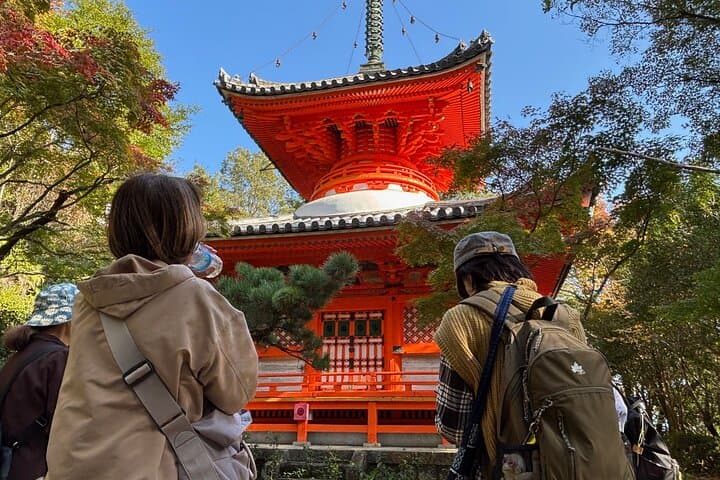
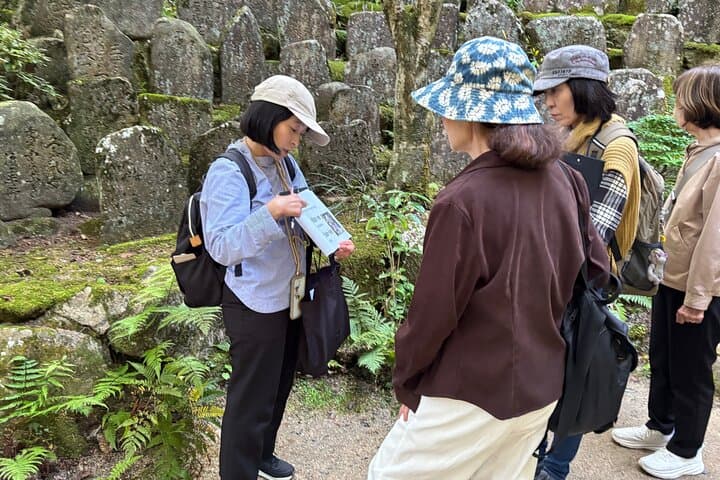
Mitaki Temple dates to 809 and carries centuries of devotional practice; its pagoda and bell hall sit among volcanic outcrops typical of Hiroshima’s low mountains. The tour frames those features alongside 20th‑century history: preserved fire‑scorched buildings and monuments that link the temple’s quiet to Hiroshima’s postwar message of peace. Local guides tend to fold folklore into fact—stories of bamboo groves, temple founders, and the ritual care of the stone Buddhas.
Expect a slow, interpretive walk rather than a strenuous hike: paved approaches, a run of stone steps, and a few short uphill stretches. The sensory notes are specific—damp stone, bell tones, and the smell of forest floor—matched by practical stops where guides explain bus and train connections back to central Hiroshima.
Plan for layered clothing and steady shoes, give yourself time for reflection at the pagoda and monuments, and keep cash or an IC card handy for local transport. Photography is welcome but please be respectful in sacred spaces. This experience pairs civic history with a compact, accessible mountain walk—ideal for travelers who want context as much as scenery.
easy.
3.5–4 hours.
Suitable for most travelers who can manage short uphill stretches and stairs; no special fitness required.
Yes—this tour’s admission to Mitaki Temple is included as part of the itinerary.
The walk is easy to moderate with paved paths and stone steps; it’s suitable for most people who can climb short flights of stairs.
Photography is generally allowed, but be respectful around worship areas and follow guide directions where restrictions apply.
After the walk you’ll walk to Mitaki Station and take a local train back to several central stations; bus fares for the outbound leg are handled by the tour.
Mitaki Temple was founded in 809; several buildings on site bear damage from the 1945 bombing and are preserved as part of Hiroshima’s history of recovery and peace.
Follow Leave No Trace principles—stay on paths, avoid feeding wildlife, and use provided bins to help protect the temple’s forested slopes.
株式会社成研 operates guided outdoor trips and adventures with an emphasis on safety, stewardship, and memorable experiences.
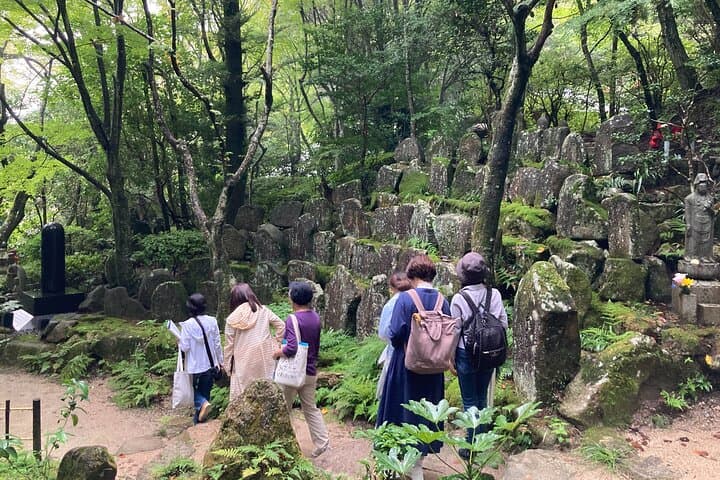
The path climbs through cool cedar shade and a slow chorus of water—steps worn smooth by decades of pilgrims and visitors. Start near the city’s scarred center, where the tour traces the hypocenter before the bus lifts you northwest into the Mitaki foothills. By the time concrete gives way to stone lanterns and mossed statues, the city’s roar becomes a distant memory.
The path climbs through cool cedar shade and a slow chorus of water—steps worn smooth by decades of pilgrims and visitors. Start near the city’s scarred center, where the tour traces the hypocenter before the bus lifts you northwest into the Mitaki foothills. By the time concrete gives way to stone lanterns and mossed statues, the city’s roar becomes a distant memory.
Mitaki Temple dates to 809 and carries centuries of devotional practice; its pagoda and bell hall sit among volcanic outcrops typical of Hiroshima’s low mountains. The tour frames those features alongside 20th‑century history: preserved fire‑scorched buildings and monuments that link the temple’s quiet to Hiroshima’s postwar message of peace. Local guides tend to fold folklore into fact—stories of bamboo groves, temple founders, and the ritual care of the stone Buddhas.
Expect a slow, interpretive walk rather than a strenuous hike: paved approaches, a run of stone steps, and a few short uphill stretches. The sensory notes are specific—damp stone, bell tones, and the smell of forest floor—matched by practical stops where guides explain bus and train connections back to central Hiroshima.
Plan for layered clothing and steady shoes, give yourself time for reflection at the pagoda and monuments, and keep cash or an IC card handy for local transport. Photography is welcome but please be respectful in sacred spaces. This experience pairs civic history with a compact, accessible mountain walk—ideal for travelers who want context as much as scenery.