THE ADVENTURE COLLECTIVE® · Independent discovery and booking for outdoor travel

Stand with a foot in each hemisphere, watch gravity tricks at Intiñan and taste Andean agave spirits at Casa Agave. This guided tour from Quito mixes hands-on science, regional history, and local flavors in a single day trip.
Stand with a foot in each hemisphere, watch gravity tricks at Intiñan and taste Andean agave spirits at Casa Agave. This guided tour from Quito mixes hands-on science, regional history, and local flavors in a single day trip.
The day begins on the high plateau above Quito, where thin air sharpens the light and a broad concrete monument splits the landscape like a question mark — the so-called Middle of the World. Visitors step from the bus onto cool paved plazas and are quickly faced with the playful proof-of-equator displays: balancing water, the egg test and the iconic photo with one foot in each hemisphere.
Verified experiences and guided adventures in the surrounding area.
Operated by Quito Tour Bus · Quito, Pichincha
The day begins on the high plateau above Quito, where thin air sharpens the light and a broad concrete monument splits the landscape like a question mark — the so-called Middle of the World. Visitors step from the bus onto cool paved plazas and are quickly faced with the playful proof-of-equator displays: balancing water, the egg test and the iconic photo with one foot in each hemisphere.
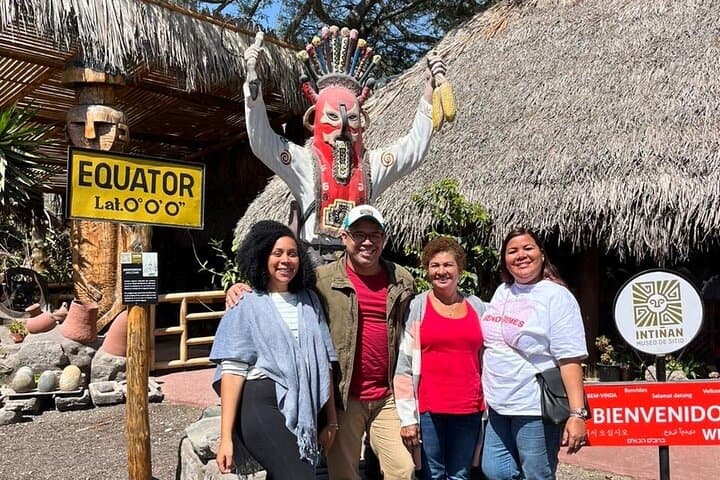
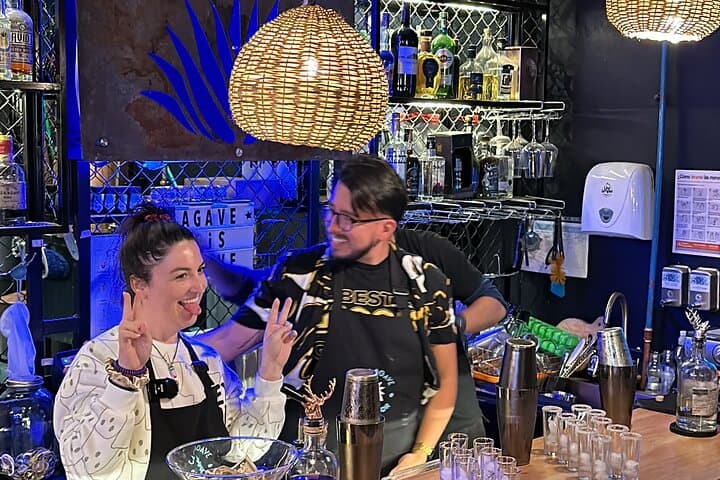
The stop at the Intiñan Museum offers a counterpoint of local interpretation: smaller, hands-on demonstrations and indigenous context about how Andean people read the land and skies. Casa Agave closes the loop with a cultural and gustatory lesson — the blue agave’s role in Ecuadorian spirits (miske) and cocktails, plus a walkthrough of distillation practices adapted to the Andean climate.
Historically, the site marks the 18th-century French Geodesic Mission that helped measure Earth’s shape; modern GPS shows the true equator sits a short distance away, which is part of the local story and friendly debate. Geologically the area is high Andean foothills, volcanic in origin, with thin, cool air at roughly 2,800–2,900 meters elevation.
Practically: expect a largely accessible, low-effort tour with several short walks on paved or compacted surfaces, lasting most of the day (plan for 6–9 hours including transport). Bring a sun hat and water for altitude, a light rain layer, and your camera for the crowds and demonstrations. Early departures tend to avoid the biggest groups and offer crisper views. Guides are bilingual; confirm pickup details when you book.
easy.
6–9 hours.
Suitable for most fitness levels; involves short walks and standing during demonstrations; minimal elevation change but expect the effects of high altitude.
Yes — the tour lists tourist transportation; confirm your pickup point when booking as options can vary.
The monument marks the historic equatorial line; the Intiñan Museum shows demonstrations claimed to occur on the equator, though modern GPS places the precise zero latitude slightly nearby.
The supplier notes stroller access and that infants must sit on laps; activities are generally family-friendly but supervise children during demonstrations and tastings.
Yes — the itinerary specifies entrance to the Equatorial Line attractions, Intiñan Museum and Casa Agave as included inclusions.
The site commemorates the 18th-century French Geodesic Mission that measured the Earth’s meridian; the current monument and museums interpret both colonial science and indigenous cosmologies.
This highland ecosystem is sensitive—stick to paths, avoid single-use plastics, and support local businesses that follow sustainable sourcing.
Quito Tour Bus operates guided outdoor trips and adventures with an emphasis on safety, stewardship, and memorable experiences.
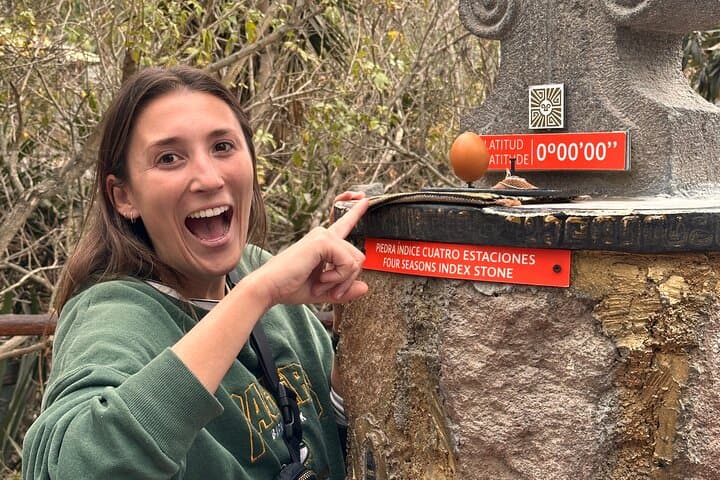
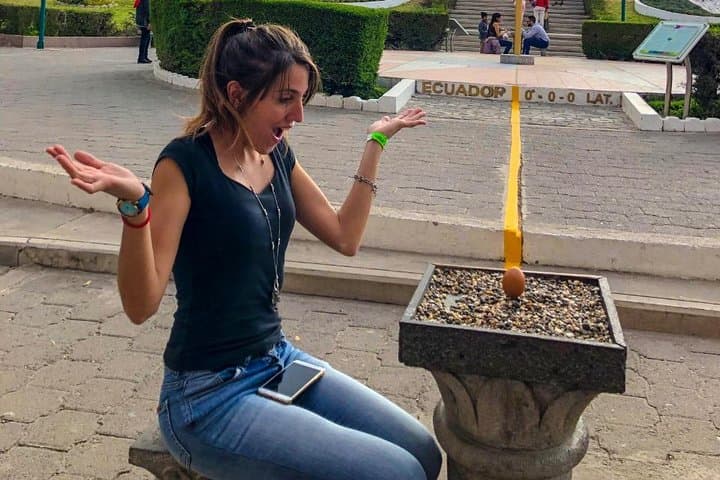
The day begins on the high plateau above Quito, where thin air sharpens the light and a broad concrete monument splits the landscape like a question mark — the so-called Middle of the World. Visitors step from the bus onto cool paved plazas and are quickly faced with the playful proof-of-equator displays: balancing water, the egg test and the iconic photo with one foot in each hemisphere.
The day begins on the high plateau above Quito, where thin air sharpens the light and a broad concrete monument splits the landscape like a question mark — the so-called Middle of the World. Visitors step from the bus onto cool paved plazas and are quickly faced with the playful proof-of-equator displays: balancing water, the egg test and the iconic photo with one foot in each hemisphere.
The stop at the Intiñan Museum offers a counterpoint of local interpretation: smaller, hands-on demonstrations and indigenous context about how Andean people read the land and skies. Casa Agave closes the loop with a cultural and gustatory lesson — the blue agave’s role in Ecuadorian spirits (miske) and cocktails, plus a walkthrough of distillation practices adapted to the Andean climate.
Historically, the site marks the 18th-century French Geodesic Mission that helped measure Earth’s shape; modern GPS shows the true equator sits a short distance away, which is part of the local story and friendly debate. Geologically the area is high Andean foothills, volcanic in origin, with thin, cool air at roughly 2,800–2,900 meters elevation.
Practically: expect a largely accessible, low-effort tour with several short walks on paved or compacted surfaces, lasting most of the day (plan for 6–9 hours including transport). Bring a sun hat and water for altitude, a light rain layer, and your camera for the crowds and demonstrations. Early departures tend to avoid the biggest groups and offer crisper views. Guides are bilingual; confirm pickup details when you book.