THE ADVENTURE COLLECTIVE® · Independent discovery and booking for outdoor travel

Explore Mistérios Negros on Terceira: a three‑hour hike among lava domes, the reflective Lagoa do Negro and the scrubby high interior. Expect uneven basalt, short climbs and strong volcanic scenery—ideal for hikers with moderate fitness.
Explore Mistérios Negros on Terceira: a three‑hour hike among lava domes, the reflective Lagoa do Negro and the scrubby high interior. Expect uneven basalt, short climbs and strong volcanic scenery—ideal for hikers with moderate fitness.
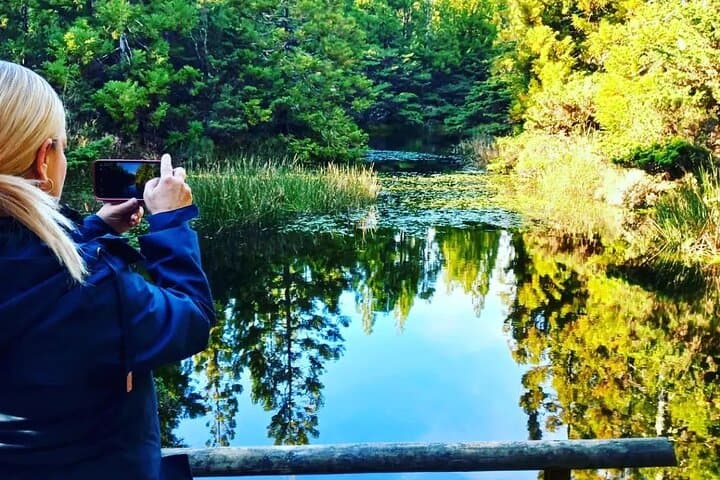
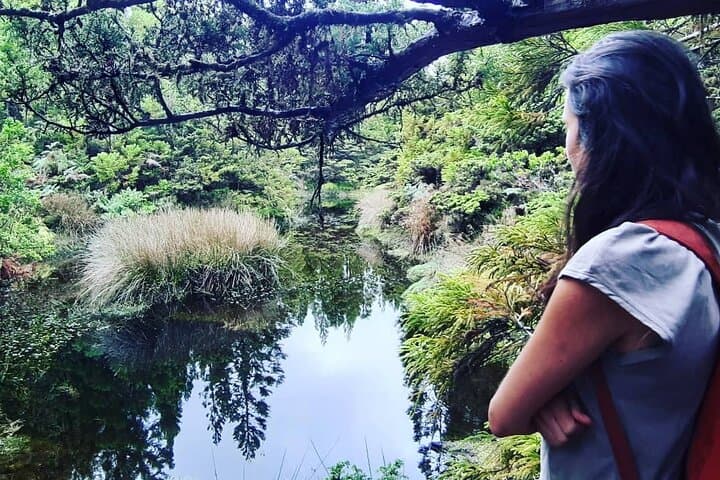
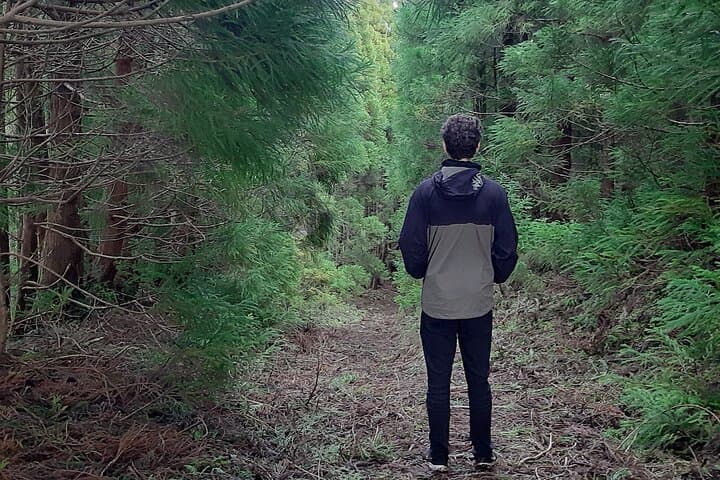
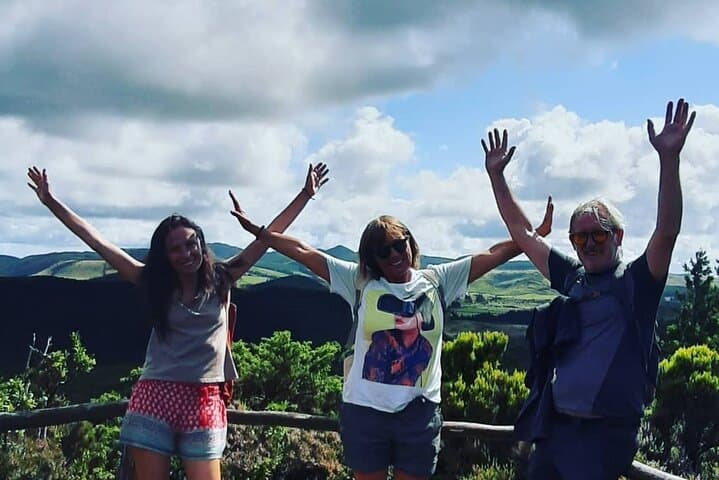
A low cloud clings to the slopes as hikers step off the road into the dark basalt world of Mistérios Negros. The path sinks into a landscape shaped by recent volcanism: jagged lava flows, rounded domes and a small, mirror-like crater lake—Lagoa do Negro—that reflects the heavy green of endemic shrubs.
Verified experiences and guided adventures in the surrounding area.
Operated by Azores Nature Tours · Angra do Heroísmo, Azores
A low cloud clings to the slopes as hikers step off the road into the dark basalt world of Mistérios Negros. The path sinks into a landscape shaped by recent volcanism: jagged lava flows, rounded domes and a small, mirror-like crater lake—Lagoa do Negro—that reflects the heavy green of endemic shrubs.
Geology dominates the story here. Terceira is a volcanic island in the Azores archipelago; the trail threads through pahoehoe and ʻaʻā remnants and skirts strombolian domes like Pico do Gaspar. The route also passes through human history: shepherd tracks and old parcel boundaries trace 19th-century grazing and the islanders' slow adaptation to a raw volcanic interior.
Culturally, the interior feels remote compared with Angra’s portside bustle; guides often point out local uses of volcanic stone in fences and the role of wells and small ponds in rural life. Wildlife is subtle—chaffinches and kestrels move through the scrub—and plant life shows strong island endemism that can be damaged by off-trail traffic.
Practical guidance: the hike is exposed in places and can be muddy after rain, so sturdy boots and a waterproof jacket are essential. Trails are of medium to difficult technical grade in parts—expect uneven basalt, short steep pitches and some route-finding near domes. A three-hour schedule affords steady pacing, photo stops and a brief lakeside rest.
Timing is key: go mid-morning for the best light and calmer wind, bring water and layered clothing, and stick to established tracks to protect fragile vegetation and fragile volcanic features.
moderate.
3 hours.
Good cardiovascular fitness and steady hiking experience; able to handle uneven terrain and short steep sections.
The guided itinerary is about 3 hours; on the ground expect 2.5–4 hours depending on pace and stops.
Rated medium to difficult in places due to uneven basalt, short steep pitches and occasional route‑finding; moderate fitness recommended.
Older children used to hiking and stable footwear can do the route, but it’s not recommended for very young kids because of terrain and exposure.
Yes—many operators provide guided departures with pickup and drop‑off in Angra do Heroísmo; check booking details for specific pickup points.
Mistérios Negros sits on flows and domes formed by Holocene volcanism; human paths across the interior reflect centuries of low‑intensity grazing and stonework.
The area supports fragile endemic flora and young soils—stick to trails, avoid trampling moss and lichens, and carry out all waste.
Azores Nature Tours operates guided outdoor trips and adventures with an emphasis on safety, stewardship, and memorable experiences.
A low cloud clings to the slopes as hikers step off the road into the dark basalt world of Mistérios Negros. The path sinks into a landscape shaped by recent volcanism: jagged lava flows, rounded domes and a small, mirror-like crater lake—Lagoa do Negro—that reflects the heavy green of endemic shrubs.
A low cloud clings to the slopes as hikers step off the road into the dark basalt world of Mistérios Negros. The path sinks into a landscape shaped by recent volcanism: jagged lava flows, rounded domes and a small, mirror-like crater lake—Lagoa do Negro—that reflects the heavy green of endemic shrubs.
Geology dominates the story here. Terceira is a volcanic island in the Azores archipelago; the trail threads through pahoehoe and ʻaʻā remnants and skirts strombolian domes like Pico do Gaspar. The route also passes through human history: shepherd tracks and old parcel boundaries trace 19th-century grazing and the islanders' slow adaptation to a raw volcanic interior.
Culturally, the interior feels remote compared with Angra’s portside bustle; guides often point out local uses of volcanic stone in fences and the role of wells and small ponds in rural life. Wildlife is subtle—chaffinches and kestrels move through the scrub—and plant life shows strong island endemism that can be damaged by off-trail traffic.
Practical guidance: the hike is exposed in places and can be muddy after rain, so sturdy boots and a waterproof jacket are essential. Trails are of medium to difficult technical grade in parts—expect uneven basalt, short steep pitches and some route-finding near domes. A three-hour schedule affords steady pacing, photo stops and a brief lakeside rest.
Timing is key: go mid-morning for the best light and calmer wind, bring water and layered clothing, and stick to established tracks to protect fragile vegetation and fragile volcanic features.