THE ADVENTURE COLLECTIVE® · Independent discovery and booking for outdoor travel

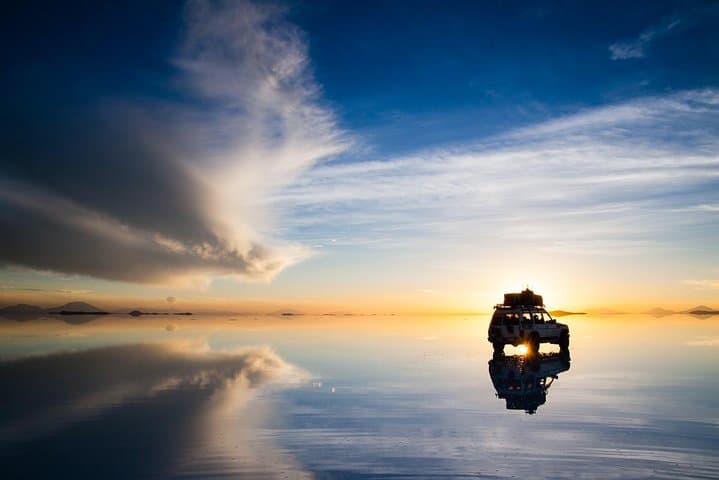
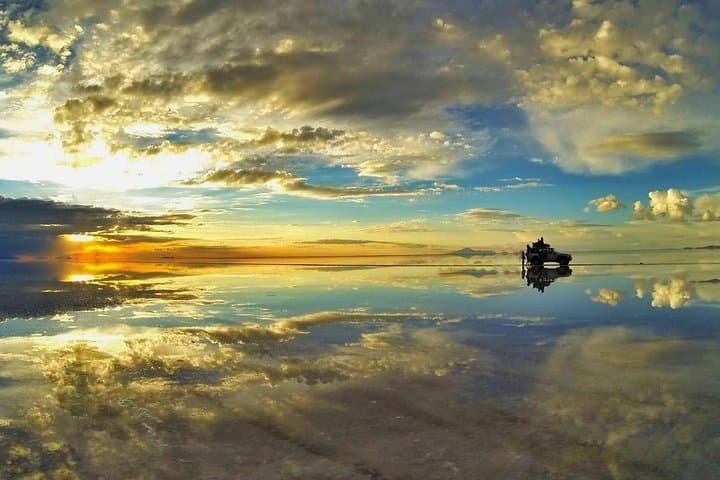
Leave Uyuni before dawn for a five‑hour half‑day that pairs Milky Way stargazing with a sunrise over the Salar de Uyuni. In wet months the flats create a near‑perfect mirror; year‑round the high‑altitude light and salt formations make for unforgettable photos.
Leave Uyuni before dawn for a five‑hour half‑day that pairs Milky Way stargazing with a sunrise over the Salar de Uyuni. In wet months the flats create a near‑perfect mirror; year‑round the high‑altitude light and salt formations make for unforgettable photos.
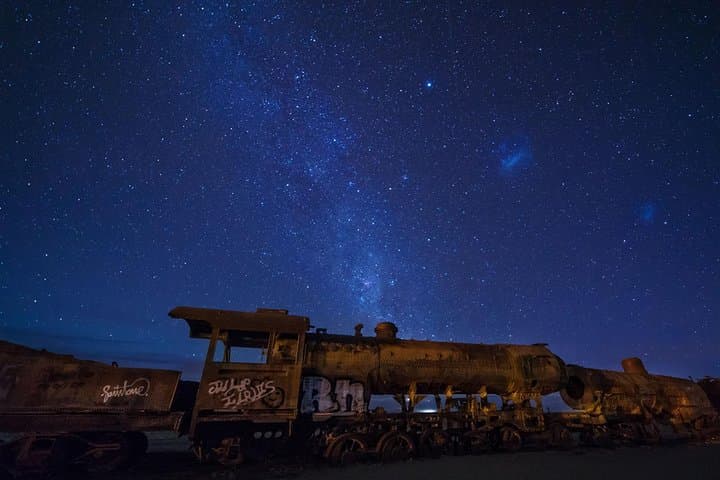
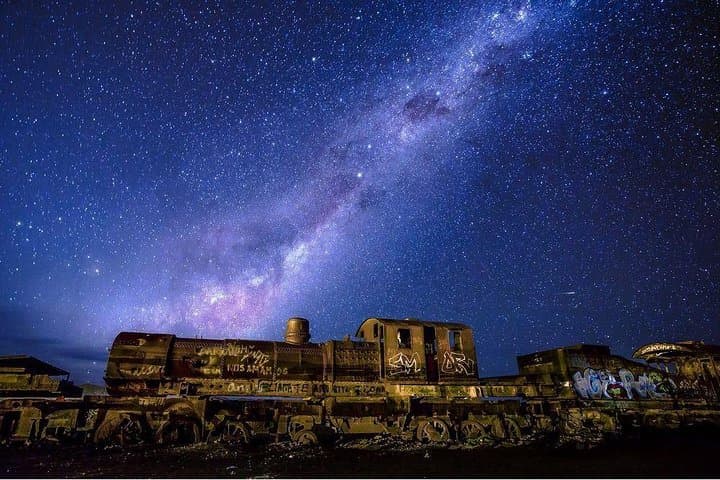
A pre-dawn hush wraps the Salar de Uyuni as you leave Uyuni town at 03:00. The van crunches across salt that feels at once ancient and alive; overhead the Milky Way pours like a slow river and the stars seem to press down until, at your feet, the salt can return the favor during the wet season.
Verified experiences and guided adventures in the surrounding area.
Operated by Jukil de los Andes Adventure tour operator · Uyuni, Potosí Department
A pre-dawn hush wraps the Salar de Uyuni as you leave Uyuni town at 03:00. The van crunches across salt that feels at once ancient and alive; overhead the Milky Way pours like a slow river and the stars seem to press down until, at your feet, the salt can return the favor during the wet season.
Geology here is blunt and grand: the world’s largest salt flat sits on a remnant Pleistocene lake whose evaporite crust stretches for kilometers. Indigenous Aymara and Quechua communities have harvested salt and woven cultural ties to this landscape for centuries; nearby volcanic cones (notably Tunupa) hold archaeological sites and local legends about mountain spirits.
On this short outing you’ll watch the sky transition from black to cobalt to the pale gold that lifts off the salt’s white plane. If the flats are flooded (Dec–May) a thin mirror will double the heavens; in dry months the salt geometry and hexagonal pans become a graphic foreground to sunrise.
Practical edge: the site sits around 3,650 m (11,975 ft), so expect cold mornings and thin air—move slowly, sip water, and avoid heavy exertion before arrival. Wear insulated layers and waterproof boots provided if needed. A camera on a tripod captures the mirror effect; bring spare batteries because cold saps charge.
This half-day is compact and sensory—an astronomy show and a morning walking gallery—made accessible by hotel pickup, a simple breakfast, and a short walk across a landscape that refuses to behave like ordinary terrain.
moderate.
5 hours.
Light walking ability is sufficient but be comfortable with high altitude and short uneven surfaces.
Pickup is typically around 03:00 to reach the flats before dawn for stargazing and sunrise; travel time from Uyuni town is about 1–1.5 hours depending on conditions.
Only when a thin, even layer of water covers the salt (usually Dec–May); otherwise the dry salt still offers dramatic light and geometry for photos.
Yes for most travelers, but the site is at ~3,650 m—those with cardiovascular issues should consult a physician; move slowly and hydrate to reduce symptoms of altitude sickness.
Many operators include rainboots or waterproof footwear for flooded areas—confirm at booking and bring your own if you prefer a specific fit.
Salar de Uyuni formed from prehistoric lakes; indigenous groups and later salt miners have shaped human use for centuries, and nearby Tunupa holds archaeological sites and local myths.
The salt flat is ecologically fragile—avoid leaving waste, stick to recommended routes, and follow local guide instructions to minimize footprint.
Jukil de los Andes Adventure tour operator operates guided outdoor trips and adventures with an emphasis on safety, stewardship, and memorable experiences.
A pre-dawn hush wraps the Salar de Uyuni as you leave Uyuni town at 03:00. The van crunches across salt that feels at once ancient and alive; overhead the Milky Way pours like a slow river and the stars seem to press down until, at your feet, the salt can return the favor during the wet season.
A pre-dawn hush wraps the Salar de Uyuni as you leave Uyuni town at 03:00. The van crunches across salt that feels at once ancient and alive; overhead the Milky Way pours like a slow river and the stars seem to press down until, at your feet, the salt can return the favor during the wet season.
Geology here is blunt and grand: the world’s largest salt flat sits on a remnant Pleistocene lake whose evaporite crust stretches for kilometers. Indigenous Aymara and Quechua communities have harvested salt and woven cultural ties to this landscape for centuries; nearby volcanic cones (notably Tunupa) hold archaeological sites and local legends about mountain spirits.
On this short outing you’ll watch the sky transition from black to cobalt to the pale gold that lifts off the salt’s white plane. If the flats are flooded (Dec–May) a thin mirror will double the heavens; in dry months the salt geometry and hexagonal pans become a graphic foreground to sunrise.
Practical edge: the site sits around 3,650 m (11,975 ft), so expect cold mornings and thin air—move slowly, sip water, and avoid heavy exertion before arrival. Wear insulated layers and waterproof boots provided if needed. A camera on a tripod captures the mirror effect; bring spare batteries because cold saps charge.
This half-day is compact and sensory—an astronomy show and a morning walking gallery—made accessible by hotel pickup, a simple breakfast, and a short walk across a landscape that refuses to behave like ordinary terrain.