THE ADVENTURE COLLECTIVE® · Independent discovery and booking for outdoor travel

Board a trimaran in Mirissa for a four-hour morning whale and dolphin trip with Eagle Eye — professional crew, life jackets, and shoreline views of the Southern Sri Lankan coast. Learn when to go, what to expect offshore, and practical tips to make the most of your sighting window.
Board a trimaran in Mirissa for a four-hour morning whale and dolphin trip with Eagle Eye — professional crew, life jackets, and shoreline views of the Southern Sri Lankan coast. Learn when to go, what to expect offshore, and practical tips to make the most of your sighting window.
The sun breaks over Mirissa harbor and the trimaran slips past fishing dhonis, engines low and eyes forward. Salt spray dares you to look away; within an hour the sea can change from flat glass to rolling blue where whales and dolphins move like living currents. On Eagle Eye’s vessel you’re not just a spectator — you’re in a floating window into the open-ocean drama.
Verified experiences and guided adventures in the surrounding area.
Operated by Eagle Eye Whale Watching · Mirissa, Southern Province
The sun breaks over Mirissa harbor and the trimaran slips past fishing dhonis, engines low and eyes forward. Salt spray dares you to look away; within an hour the sea can change from flat glass to rolling blue where whales and dolphins move like living currents. On Eagle Eye’s vessel you’re not just a spectator — you’re in a floating window into the open-ocean drama.
Southern Sri Lanka sits where the continental shelf drops close to shore, creating deep feeding grounds that attract blue whales, sperm whales, and pods of spinner and spotted dolphins. Mirissa itself grew from a fishing village into a small tourism hub; whale watching here took off in the last two decades and is now governed by local codes that keep boats at respectful distance.
Expect a four-hour morning excursion aboard a new trimaran with a professional crew, life jackets, first aid and complimentary bottled water and snacks. Sightings can occur a few miles offshore; the crew uses experience and occasional spotters to locate animals, but sightings aren’t guaranteed. Seas can be calm or choppy depending on the monsoon cycle, so timing matters.
Practical guidance: book a morning trip during peak season (roughly November–April), take motion-sickness medication in advance if you’re prone, bring a telephoto lens or binoculars and sun protection, and dress in layers with non-slip shoes. Listen to the safety briefing, keep noise low when animals are spotted, and follow crew instructions—responsible viewing both improves your chances and protects the animals.
easy.
4 hours.
Suitable for most fitness levels; you should be able to board a small vessel and stand or sit for several hours.
Blue whales are regularly seen November–April when food is abundant, but sightings can’t be guaranteed — crews rely on spotters and favorable conditions to find animals.
The operator lists wheelchair-accessible services and accessible transport options, but boarding a boat may still require assistance; contact the provider ahead to confirm accommodations.
Yes — children are allowed and infant seats are available, but life jacket fit and supervision are required; not recommended for pregnant travelers or those with serious heart conditions.
Trips are canceled for safety in rough seas or poor weather; the operator’s policy allows full refunds if you cancel at least 24 hours prior or if the tour is canceled due to weather.
Mirissa was historically a small fishing harbor; commercial whale watching developed here in the early 21st century as tourism grew and local operators adopted responsible-distance practices.
Local operators follow distancing guidelines and limit approaches to avoid stressing cetaceans; opt for providers that emphasize non-invasive viewing and support local marine conservation.
Eagle Eye Whale Watching operates guided outdoor trips and adventures with an emphasis on safety, stewardship, and memorable experiences.
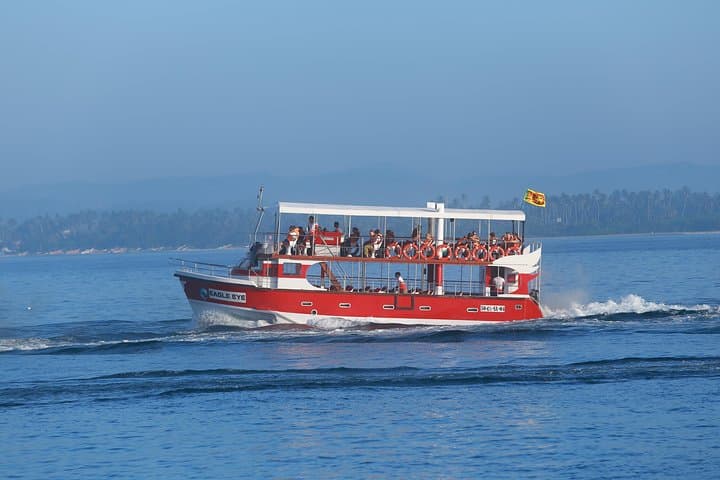
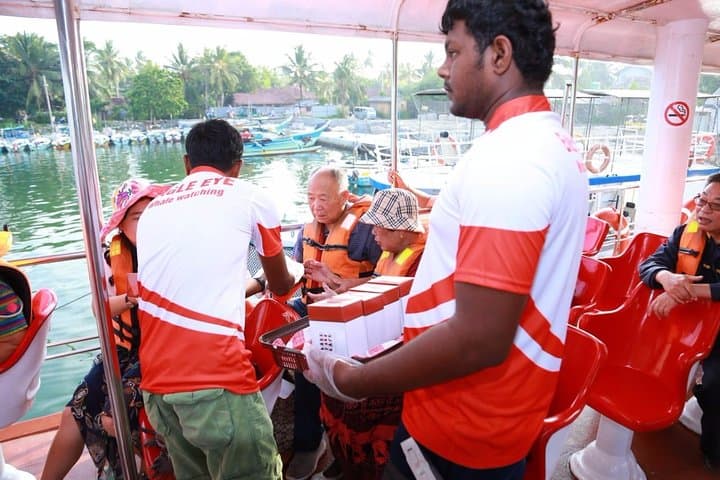
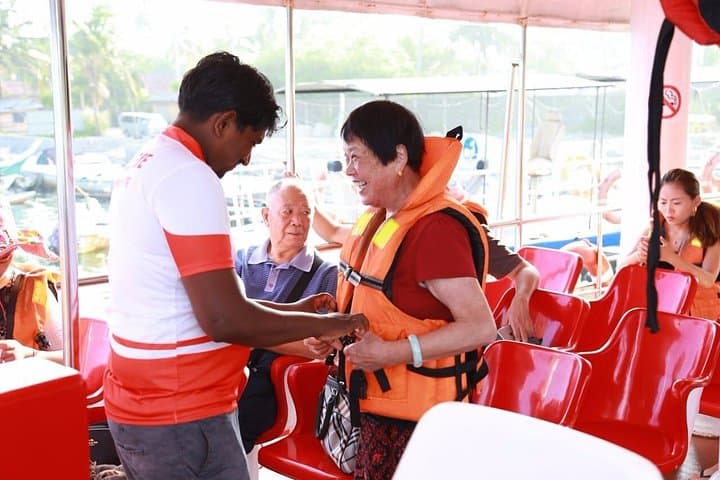
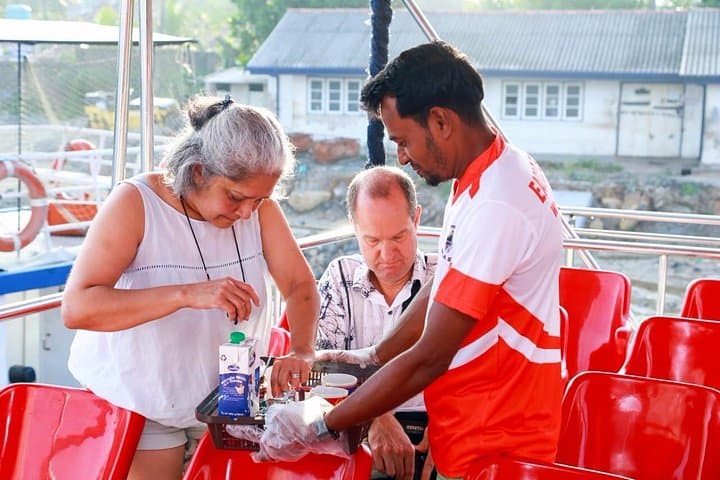
The sun breaks over Mirissa harbor and the trimaran slips past fishing dhonis, engines low and eyes forward. Salt spray dares you to look away; within an hour the sea can change from flat glass to rolling blue where whales and dolphins move like living currents. On Eagle Eye’s vessel you’re not just a spectator — you’re in a floating window into the open-ocean drama.
The sun breaks over Mirissa harbor and the trimaran slips past fishing dhonis, engines low and eyes forward. Salt spray dares you to look away; within an hour the sea can change from flat glass to rolling blue where whales and dolphins move like living currents. On Eagle Eye’s vessel you’re not just a spectator — you’re in a floating window into the open-ocean drama.
Southern Sri Lanka sits where the continental shelf drops close to shore, creating deep feeding grounds that attract blue whales, sperm whales, and pods of spinner and spotted dolphins. Mirissa itself grew from a fishing village into a small tourism hub; whale watching here took off in the last two decades and is now governed by local codes that keep boats at respectful distance.
Expect a four-hour morning excursion aboard a new trimaran with a professional crew, life jackets, first aid and complimentary bottled water and snacks. Sightings can occur a few miles offshore; the crew uses experience and occasional spotters to locate animals, but sightings aren’t guaranteed. Seas can be calm or choppy depending on the monsoon cycle, so timing matters.
Practical guidance: book a morning trip during peak season (roughly November–April), take motion-sickness medication in advance if you’re prone, bring a telephoto lens or binoculars and sun protection, and dress in layers with non-slip shoes. Listen to the safety briefing, keep noise low when animals are spotted, and follow crew instructions—responsible viewing both improves your chances and protects the animals.