THE ADVENTURE COLLECTIVE® · Independent discovery and booking for outdoor travel

Head offshore from Mirissa for a 3–5 hour search of blue whales and dolphins, where deep-water upwellings make this stretch one of the world’s prime whale-watching grounds. Expect long watches, sudden sightings, and a straightforward, safety-focused tour that pairs wildlife viewing with coastal history in Galle.
Head offshore from Mirissa for a 3–5 hour search of blue whales and dolphins, where deep-water upwellings make this stretch one of the world’s prime whale-watching grounds. Expect long watches, sudden sightings, and a straightforward, safety-focused tour that pairs wildlife viewing with coastal history in Galle.
The boat slips from Mirissa’s slipway at first light, the ocean tasting of salt and early sun. Within minutes, the shoreline peels away and the horizon becomes a low, moving rim—the part of the Indian Ocean where deep channels drop quickly and where blue whales come to feed. Expect long, patient watches punctuated by sudden, astonishing flukes and sprays; the sea tests patience and rewards the observant.
Verified experiences and guided adventures in the surrounding area.
Operated by OTN WORLD PVT LTD · Mirissa, Southern Province
The boat slips from Mirissa’s slipway at first light, the ocean tasting of salt and early sun. Within minutes, the shoreline peels away and the horizon becomes a low, moving rim—the part of the Indian Ocean where deep channels drop quickly and where blue whales come to feed. Expect long, patient watches punctuated by sudden, astonishing flukes and sprays; the sea tests patience and rewards the observant.
This coast of southern Sri Lanka has been a crossroads for mariners for centuries—Arab traders, Portuguese and Dutch colonists and British planters all left marks visible in nearby Galle’s fort and lighthouse. Geologically the shelf falls away not far offshore, creating nutrient-rich upwellings that attract krill and, in turn, the largest animals on earth. Local crews combine this natural knowledge with modern spotting techniques; cultural hospitality shows in simple onboard offerings—king coconut, coffee and a light breakfast.
Practically, anticipate a 3–5 hour outing. Wear sun-protective layers, bring a camera with a long lens or binoculars, and take motion-sickness medicine if you’re prone—swell and wind vary by season. Crew will brief on safety and maintain distance from animals; responsible operators limit chase behavior. After the trip many travelers detour to Galle Fort for colonial architecture and fresh seafood.
Plan for early departures to catch calmer seas and feeding windows. Respect the animals: observe, photograph, and leave the ocean as you found it—clean and undisturbed.
moderate.
3–5 hours.
Moderate fitness: able to stand and move on a rocking boat for several hours and board via a low pier or ladder.
Peak months are typically November through April when seas are calmer and sightings are more frequent, though whales can be seen outside this window.
Boats usually travel 10–30 kilometers offshore to follow deep-water channels where whales feed; exact distance varies by daily sightings.
Infants must sit on an adult’s lap; operators provide life jackets, but tours are not recommended for those with spinal, heart, or pregnancy concerns.
Yes—many tours include or recommend a post-trip stop in Galle to explore the fort, lighthouse and colonial buildings.
The southern coast has long been a maritime crossroads; nearby Galle Fort reflects Portuguese, Dutch and British colonial eras and is a short post-trip stop.
Responsible operators avoid aggressive pursuit of animals and maintain minimum standoff distances; visitors should never feed or attempt to touch wildlife and must dispose of trash properly.
OTN WORLD PVT LTD operates guided outdoor trips and adventures with an emphasis on safety, stewardship, and memorable experiences.
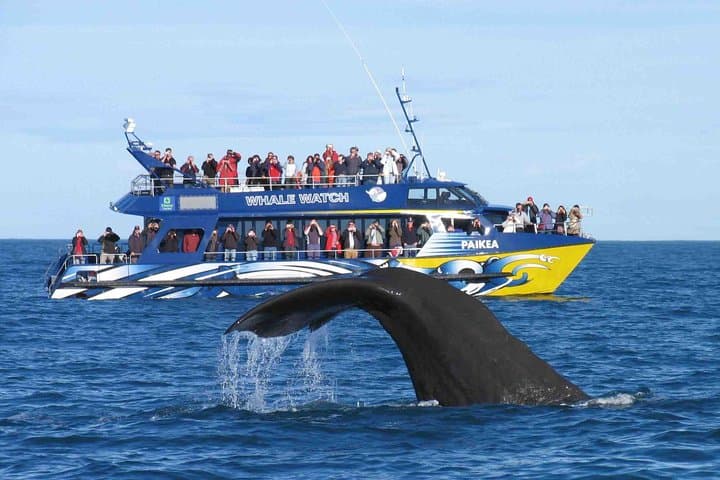
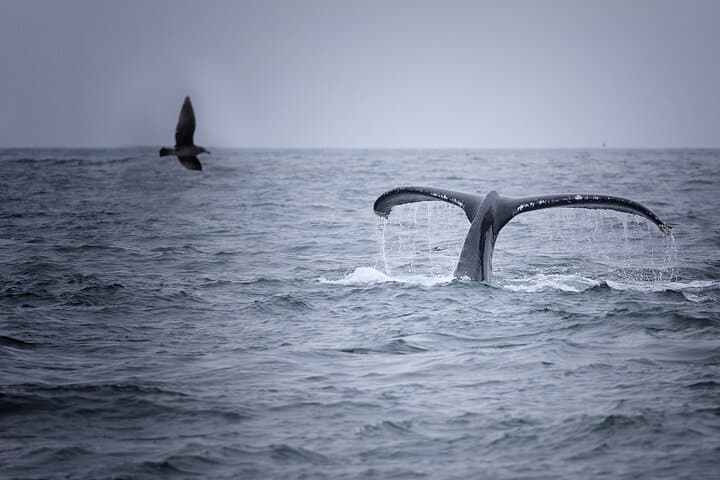
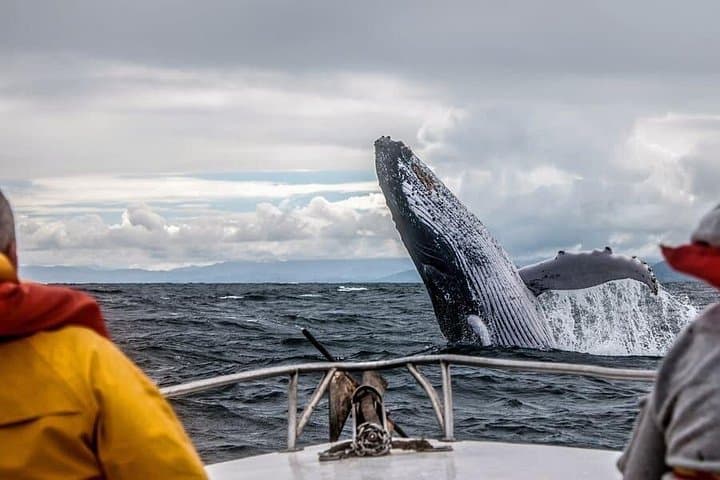
The boat slips from Mirissa’s slipway at first light, the ocean tasting of salt and early sun. Within minutes, the shoreline peels away and the horizon becomes a low, moving rim—the part of the Indian Ocean where deep channels drop quickly and where blue whales come to feed. Expect long, patient watches punctuated by sudden, astonishing flukes and sprays; the sea tests patience and rewards the observant.
The boat slips from Mirissa’s slipway at first light, the ocean tasting of salt and early sun. Within minutes, the shoreline peels away and the horizon becomes a low, moving rim—the part of the Indian Ocean where deep channels drop quickly and where blue whales come to feed. Expect long, patient watches punctuated by sudden, astonishing flukes and sprays; the sea tests patience and rewards the observant.
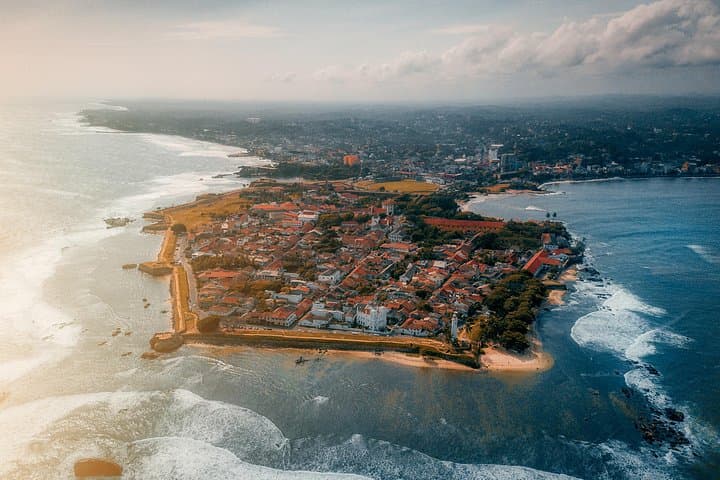
This coast of southern Sri Lanka has been a crossroads for mariners for centuries—Arab traders, Portuguese and Dutch colonists and British planters all left marks visible in nearby Galle’s fort and lighthouse. Geologically the shelf falls away not far offshore, creating nutrient-rich upwellings that attract krill and, in turn, the largest animals on earth. Local crews combine this natural knowledge with modern spotting techniques; cultural hospitality shows in simple onboard offerings—king coconut, coffee and a light breakfast.
Practically, anticipate a 3–5 hour outing. Wear sun-protective layers, bring a camera with a long lens or binoculars, and take motion-sickness medicine if you’re prone—swell and wind vary by season. Crew will brief on safety and maintain distance from animals; responsible operators limit chase behavior. After the trip many travelers detour to Galle Fort for colonial architecture and fresh seafood.
Plan for early departures to catch calmer seas and feeding windows. Respect the animals: observe, photograph, and leave the ocean as you found it—clean and undisturbed.