THE ADVENTURE COLLECTIVE® · Independent discovery and booking for outdoor travel

Board a morning boat from Mirissa for a full-day whale and dolphin watching tour—expect early pickups from Bentota, sightings of dolphins and occasionally whales, and local cultural sights like stilt fishermen. Learn when to go and what to pack to make the most of a 10-hour sea safari.
Board a morning boat from Mirissa for a full-day whale and dolphin watching tour—expect early pickups from Bentota, sightings of dolphins and occasionally whales, and local cultural sights like stilt fishermen. Learn when to go and what to pack to make the most of a 10-hour sea safari.
The sun lifts off the Indian Ocean as you step onto the wooden pier in Mirissa, sea-spray cooling your face while gulls wheel overhead. The boat eases away from shore and the horizon opens—dolphins arc like quick punctuation and, farther out, the backs of larger whales break the water’s surface with deliberate, slow breaths. The ocean feels alive, pushing and pulling the boat’s rhythm as if urging you forward.
Verified experiences and guided adventures in the surrounding area.
The sun lifts off the Indian Ocean as you step onto the wooden pier in Mirissa, sea-spray cooling your face while gulls wheel overhead. The boat eases away from shore and the horizon opens—dolphins arc like quick punctuation and, farther out, the backs of larger whales break the water’s surface with deliberate, slow breaths. The ocean feels alive, pushing and pulling the boat’s rhythm as if urging you forward.
This stretch of Sri Lanka’s southern coast has long been a corridor for migrating cetaceans; local fishing villages, including Bentota and Mirissa, have adapted a maritime culture built around small-boat work and stilt fishing. Geologically, the coastline is a low-lying wave-cut plain with sandy beaches and hidden rock outcrops that focus nutrients and attract baitfish—hence the sea traffic of dolphins and occasional sperm and blue whales in season.
Practical guidance: tours typically launch at first light when seas are calmer and sightings are likelier; expect a full-day excursion (about 10 hours including transfers). Wear a high-SPF sunscreen and a brimmed hat, carry motion-sickness medication if you’re prone, and bring a small waterproof bag for essentials. Respect the animals—boats should keep distance and avoid chasing pods.
Plan for early pickup from Bentota or nearby hotels and a return by late afternoon. Binoculars and a zoom lens make wildlife identification easier, and conversations with local crew add cultural context about fishing practices and marine conservation. With sensible preparation, the trip combines near-shore cultural sights like stilt fishermen and an offshore window into whale and dolphin behavior.
easy.
10 hours.
Light — must be able to board a small boat and tolerate several hours at sea
The peak season runs November through April when sea conditions are generally calmer and larger cetaceans are most frequently sighted.
No—sightings depend on migration, weather and feeding patterns; reputable operators will prioritize safe, responsible viewing rather than guaranteed encounters.
This is typically a full-day trip (around 10 hours including transfers), with a morning boat trip from Mirissa, basic refreshments on board, and return transfer to your hotel in Bentota or nearby areas.
Generally yes, if passengers can board small vessels and tolerate motion; check with the operator about age limits, seating, and life jackets before booking.
Mirissa developed as a small fishing community; traditional stilt fishing and small-boat operations predate tourism and remain part of the coastal culture.
Responsible operators follow guidelines to minimize disturbance—maintain distance, avoid chasing pods, and support local conservation groups protecting marine habitats.
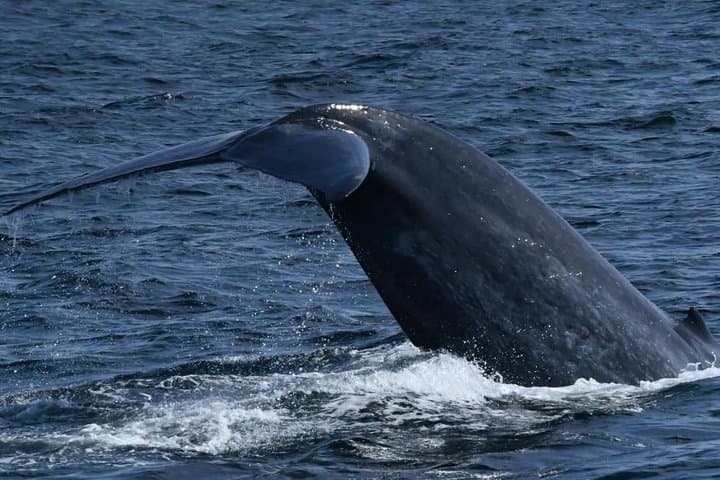
The sun lifts off the Indian Ocean as you step onto the wooden pier in Mirissa, sea-spray cooling your face while gulls wheel overhead. The boat eases away from shore and the horizon opens—dolphins arc like quick punctuation and, farther out, the backs of larger whales break the water’s surface with deliberate, slow breaths. The ocean feels alive, pushing and pulling the boat’s rhythm as if urging you forward.
The sun lifts off the Indian Ocean as you step onto the wooden pier in Mirissa, sea-spray cooling your face while gulls wheel overhead. The boat eases away from shore and the horizon opens—dolphins arc like quick punctuation and, farther out, the backs of larger whales break the water’s surface with deliberate, slow breaths. The ocean feels alive, pushing and pulling the boat’s rhythm as if urging you forward.
This stretch of Sri Lanka’s southern coast has long been a corridor for migrating cetaceans; local fishing villages, including Bentota and Mirissa, have adapted a maritime culture built around small-boat work and stilt fishing. Geologically, the coastline is a low-lying wave-cut plain with sandy beaches and hidden rock outcrops that focus nutrients and attract baitfish—hence the sea traffic of dolphins and occasional sperm and blue whales in season.
Practical guidance: tours typically launch at first light when seas are calmer and sightings are likelier; expect a full-day excursion (about 10 hours including transfers). Wear a high-SPF sunscreen and a brimmed hat, carry motion-sickness medication if you’re prone, and bring a small waterproof bag for essentials. Respect the animals—boats should keep distance and avoid chasing pods.
Plan for early pickup from Bentota or nearby hotels and a return by late afternoon. Binoculars and a zoom lens make wildlife identification easier, and conversations with local crew add cultural context about fishing practices and marine conservation. With sensible preparation, the trip combines near-shore cultural sights like stilt fishermen and an offshore window into whale and dolphin behavior.