THE ADVENTURE COLLECTIVE® · Independent discovery and booking for outdoor travel

Board a private sports boat off Mirissa for a 3–4 hour whale-watch where deep offshore waters bring blue whales, sperm whales, and playful dolphins close. This private cruise pairs quick access to prime habitat with onboard naturalist commentary and safety-first practices.
Board a private sports boat off Mirissa for a 3–4 hour whale-watch where deep offshore waters bring blue whales, sperm whales, and playful dolphins close. This private cruise pairs quick access to prime habitat with onboard naturalist commentary and safety-first practices.
You step onto a low-slung sports boat as sunlight slices the Indian Ocean into silver ribs. The engine hums, the crew checks life jackets, and Mirissa’s rocky headland falls astern; within an hour the water deepens and the horizon begins to live. When a blow breaks the surface it feels like the ocean declaring itself—curious, deliberate, and vast.
Verified experiences and guided adventures in the surrounding area.
Operated by Whale Watching Mirissa with Chaminda · Mirissa, Southern Province
You step onto a low-slung sports boat as sunlight slices the Indian Ocean into silver ribs. The engine hums, the crew checks life jackets, and Mirissa’s rocky headland falls astern; within an hour the water deepens and the horizon begins to live. When a blow breaks the surface it feels like the ocean declaring itself—curious, deliberate, and vast.
The southern Sri Lankan coast has been a fishing and trading corridor for centuries; modern whale watching here grew in the 1990s as captains followed seasonal migrations and research flagged the area’s unique deep-water shelf. Geologically, the continental shelf drops quickly off Mirissa, bringing nutrient-rich currents that lure blue whales, sperm whales, and dense schools of dolphins close to shore.
Expect encounters rather than guarantees: blue whales, Bryde’s and sperm whales are common, and pods of spotted and spinner dolphins often race the bow. The crew usually follows international whale-watching guidelines—approaching at a distance, minimizing engine noise, and staging observational watches.
Practical guidance: wear layered sun protection and bring a windproof shell; sea conditions can change fast. If you’re prone to motion sickness, take medication beforehand and sit mid-boat where motion is least. Binoculars and a camera with a fast shutter help; a small dry bag keeps essentials safe. Tours run about 3–4 hours from Mirissa and include breakfast, bottled water, and a naturalist commentary.
This is an active wildlife encounter on open water—respectful distance, patient observation, and a quiet hand on the rail make the memory and the animals’ continued safety the trip’s true reward.
easy.
3–4 hours.
Minimal fitness required; able to board a low-sided boat and stand or sit for several hours
Common sightings off Mirissa include blue whales, sperm whales, Bryde’s whales, and various dolphins; sightings vary by season and sea state.
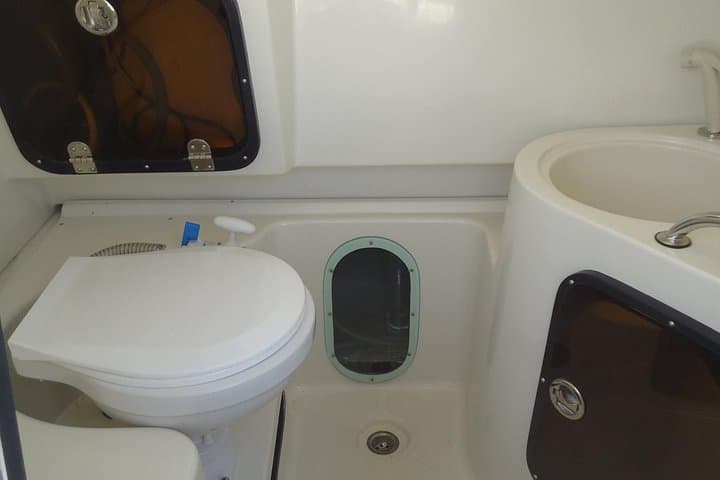
Yes—boats carry life jackets and a cabin restroom; infants must sit on an adult’s lap and everyone should follow crew safety briefings.
Operators monitor conditions and will cancel or reschedule if seas are unsafe; they recommend cancelling at least 24 hours in advance for a full refund per policy.
Yes—this private trip includes breakfast, bottled water, snacks, coffee/tea, onboard restrooms and a naturalist commentary.
Mirissa started as a traditional fishing village and evolved into a whale-watching hub after captains documented large marine mammals offshore in the late 20th century.
Operators typically follow international whale-watching guidelines—maintain distance, reduce engine noise, and limit approaches—to minimize disturbance and support long-term monitoring.
Whale Watching Mirissa with Chaminda operates guided outdoor trips and adventures with an emphasis on safety, stewardship, and memorable experiences.
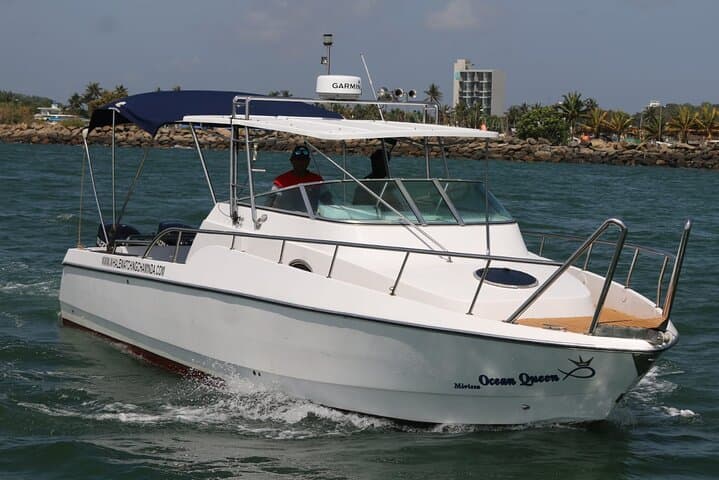
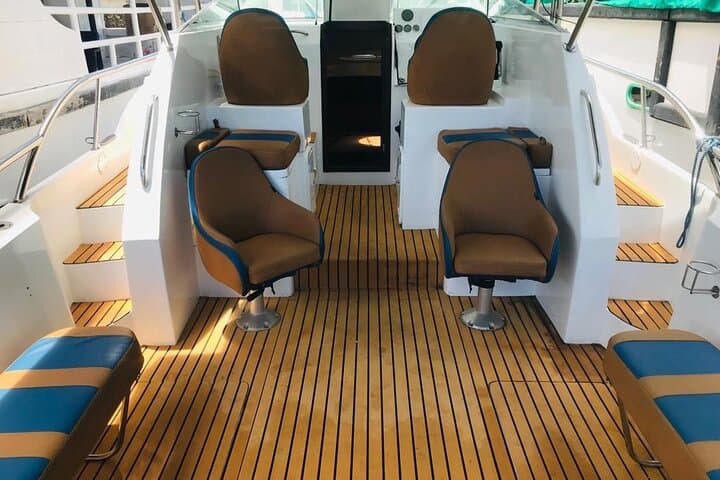
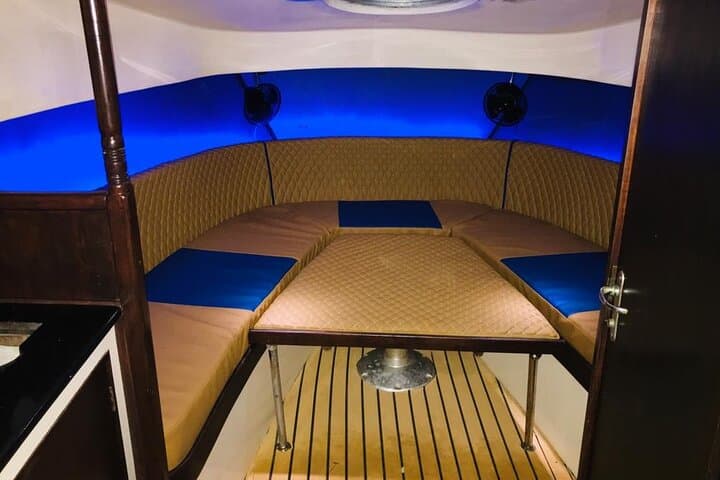
You step onto a low-slung sports boat as sunlight slices the Indian Ocean into silver ribs. The engine hums, the crew checks life jackets, and Mirissa’s rocky headland falls astern; within an hour the water deepens and the horizon begins to live. When a blow breaks the surface it feels like the ocean declaring itself—curious, deliberate, and vast.
You step onto a low-slung sports boat as sunlight slices the Indian Ocean into silver ribs. The engine hums, the crew checks life jackets, and Mirissa’s rocky headland falls astern; within an hour the water deepens and the horizon begins to live. When a blow breaks the surface it feels like the ocean declaring itself—curious, deliberate, and vast.
The southern Sri Lankan coast has been a fishing and trading corridor for centuries; modern whale watching here grew in the 1990s as captains followed seasonal migrations and research flagged the area’s unique deep-water shelf. Geologically, the continental shelf drops quickly off Mirissa, bringing nutrient-rich currents that lure blue whales, sperm whales, and dense schools of dolphins close to shore.
Expect encounters rather than guarantees: blue whales, Bryde’s and sperm whales are common, and pods of spotted and spinner dolphins often race the bow. The crew usually follows international whale-watching guidelines—approaching at a distance, minimizing engine noise, and staging observational watches.
Practical guidance: wear layered sun protection and bring a windproof shell; sea conditions can change fast. If you’re prone to motion sickness, take medication beforehand and sit mid-boat where motion is least. Binoculars and a camera with a fast shutter help; a small dry bag keeps essentials safe. Tours run about 3–4 hours from Mirissa and include breakfast, bottled water, and a naturalist commentary.
This is an active wildlife encounter on open water—respectful distance, patient observation, and a quiet hand on the rail make the memory and the animals’ continued safety the trip’s true reward.