THE ADVENTURE COLLECTIVE® · Independent discovery and booking for outdoor travel

Head offshore from Mirissa on a luxury cruiser for a 3–4 hour whale- and dolphin-watching trip. Expect close encounters with blue whales, trained crew and a high sighting rate when conditions are right.
Head offshore from Mirissa on a luxury cruiser for a 3–4 hour whale- and dolphin-watching trip. Expect close encounters with blue whales, trained crew and a high sighting rate when conditions are right.
The cruiser slips away from Mirissa’s palm-fringed shoreline before dawn, engines low, the light flat as a sheet of steel. On the upper deck, the ocean opens — a rolling plain that dares you to read its surface. Within an hour you’re beyond the reef line, where currents push the boat toward deeper water and the first spouts puncture the horizon.
Verified experiences and guided adventures in the surrounding area.
Operated by Whale Watching Mirissa with Chaminda · Mirissa, Southern Province
The cruiser slips away from Mirissa’s palm-fringed shoreline before dawn, engines low, the light flat as a sheet of steel. On the upper deck, the ocean opens — a rolling plain that dares you to read its surface. Within an hour you’re beyond the reef line, where currents push the boat toward deeper water and the first spouts puncture the horizon.
This stretch of southern Sri Lanka sits on an undersea canyon where deep, nutrient-rich water rises close to shore; that geology is why blue whales and large dolphins congregate here. Mirissa grew from a fishing village into a whale-watching hub in the 1990s, and local crews now balance tourism with long-standing coastal culture — fishermen, coconut sellers and cafés that serve fresh fish and strong Ceylon tea.
Expect a 3–4 hour trip that travels several sea miles offshore (typically 3–8 nautical miles) with trained crew, a naturalist on board and on-deck space for wide views. The crew follows international whale-watching guidelines: slow approaches, limited time near animals and clear commentary. Sightings commonly include blue whales, sperm whales, Bryde’s whales, spinner and bottlenose dolphins, and occasional manta rays and sea turtles.
Practical guidance: book morning departures for calmer seas and higher sighting rates, bring motion-sickness medication if you’re prone, and layer a windproof top for spray. Cameras with zoom or binoculars improve viewing; the upper deck is best for photography and spotting. Follow crew instructions for safety and viewing etiquette to keep encounters responsible and memorable.
easy.
3–4 hours.
Suitable for most fitness levels; you should be able to stand on a moving deck and navigate a few steps.
Operators in Mirissa report very high sighting rates during the peak season (roughly November–April); the operator here advertises nearly 99% sighting rate, though sightings can’t be guaranteed due to weather and animal movement.
Yes — this excursion offers hotel pickup; exact pickup time will be confirmed after booking and depends on your location.
Children can join and the boat provides life jackets and infant seats; parents should consider sea conditions and motion‑sickness risk for younger kids.
Handheld photography is fine from the deck; drone use is generally restricted and requires special permission from local authorities and the operator, so check in advance.
Mirissa evolved from a coastal fishing community; whale watching expanded after scientific surveys in the 1990s identified regular blue whale presence offshore.
Operators here follow Whale & Dolphin Conservation guidelines to limit disturbance; visitors are encouraged to respect approach distances and avoid single‑boat crowding.
Whale Watching Mirissa with Chaminda operates guided outdoor trips and adventures with an emphasis on safety, stewardship, and memorable experiences.
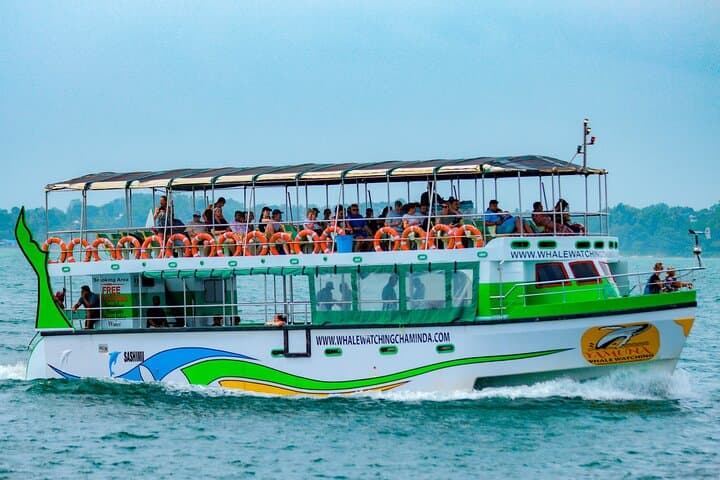
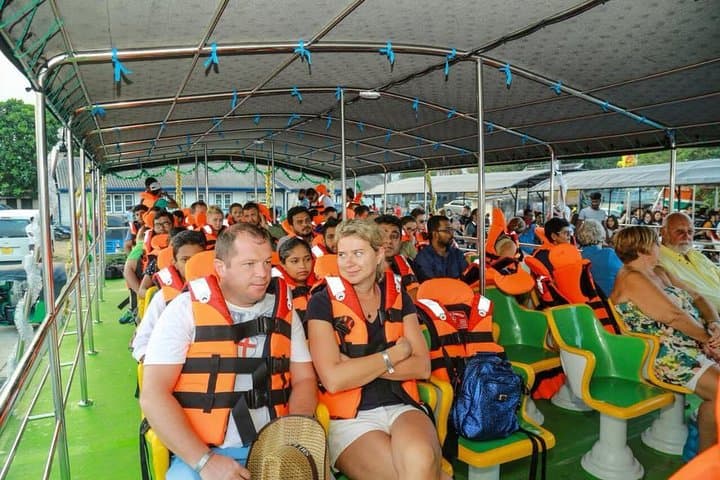

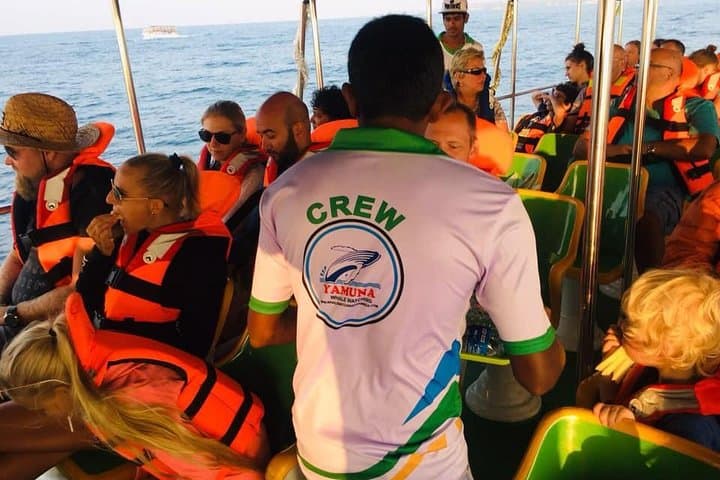
The cruiser slips away from Mirissa’s palm-fringed shoreline before dawn, engines low, the light flat as a sheet of steel. On the upper deck, the ocean opens — a rolling plain that dares you to read its surface. Within an hour you’re beyond the reef line, where currents push the boat toward deeper water and the first spouts puncture the horizon.
The cruiser slips away from Mirissa’s palm-fringed shoreline before dawn, engines low, the light flat as a sheet of steel. On the upper deck, the ocean opens — a rolling plain that dares you to read its surface. Within an hour you’re beyond the reef line, where currents push the boat toward deeper water and the first spouts puncture the horizon.
This stretch of southern Sri Lanka sits on an undersea canyon where deep, nutrient-rich water rises close to shore; that geology is why blue whales and large dolphins congregate here. Mirissa grew from a fishing village into a whale-watching hub in the 1990s, and local crews now balance tourism with long-standing coastal culture — fishermen, coconut sellers and cafés that serve fresh fish and strong Ceylon tea.
Expect a 3–4 hour trip that travels several sea miles offshore (typically 3–8 nautical miles) with trained crew, a naturalist on board and on-deck space for wide views. The crew follows international whale-watching guidelines: slow approaches, limited time near animals and clear commentary. Sightings commonly include blue whales, sperm whales, Bryde’s whales, spinner and bottlenose dolphins, and occasional manta rays and sea turtles.
Practical guidance: book morning departures for calmer seas and higher sighting rates, bring motion-sickness medication if you’re prone, and layer a windproof top for spray. Cameras with zoom or binoculars improve viewing; the upper deck is best for photography and spotting. Follow crew instructions for safety and viewing etiquette to keep encounters responsible and memorable.