THE ADVENTURE COLLECTIVE® · Independent discovery and booking for outdoor travel

Spend a day between the steaming vents of Miravalles Volcano and the gentle Corobici River. This 3-in-1 tour pairs crater walks and mineral mud baths with a calm, wildlife-rich river float—ideal for nature lovers with moderate fitness.
Spend a day between the steaming vents of Miravalles Volcano and the gentle Corobici River. This 3-in-1 tour pairs crater walks and mineral mud baths with a calm, wildlife-rich river float—ideal for nature lovers with moderate fitness.
Steam rises off black stones as the minivan drops you onto the scrubby foothills of Miravalles, and the air suddenly smells of sulfur and warm earth. You walk a short way and the ground hisses; fumaroles vent like quiet breathers of the volcano below while bubbling clay pots mark the edge of an active geothermal field.
Verified experiences and guided adventures in the surrounding area.
Operated by Guanadreamscr · Liberia, Guanacaste
Steam rises off black stones as the minivan drops you onto the scrubby foothills of Miravalles, and the air suddenly smells of sulfur and warm earth. You walk a short way and the ground hisses; fumaroles vent like quiet breathers of the volcano below while bubbling clay pots mark the edge of an active geothermal field.
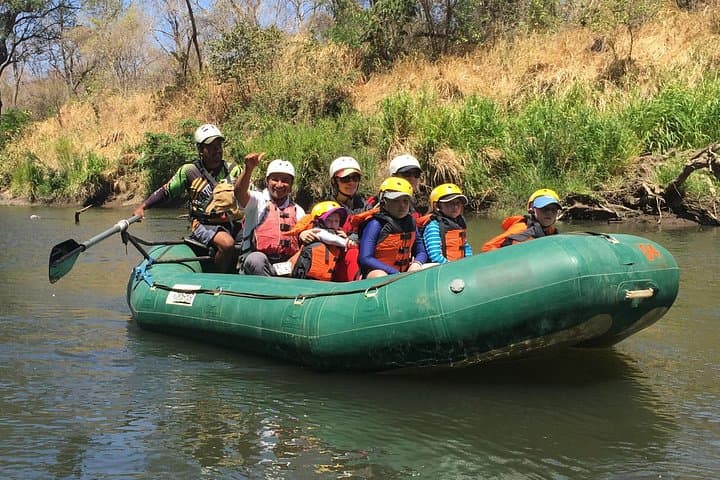
Miravalles is one of Guanacaste’s geologically alive peaks—its steam vents and mineral pools have long been part of local life and modern geothermal energy projects. On the same day you swap the crater’s heat for the cool, slow glide of the Corobici River, where guides row you past riverine forest alive with toucans, herons and the occasional howler monkey.
Culturally, this corner of Costa Rica blends cattle-ranching history and growing eco-tourism; local guides often point out old ranch fences repurposed into conservation corridors. Geologically, the area’s sulfur and silica give the mud baths reputed therapeutic qualities; the clay is fine and easy to smear on skin.
Practical note: this is a full-day outing (6–8 hours) with a mix of short uneven hikes, sitting in thermal areas, and a gentle float (class I–II). Wear closed shoes for the crater walk, a swimsuit for the hot springs and float, and bring a towel and biodegradable sunscreen. Stay hydrated—the geothermal zones are hot and the sun in Guanacaste is strong.
Expect a guided, moderately paced day that trades one landscape for another: steaming vents, mineral mud, and slow river turns where birds and trees set the tempo.
moderate.
6–8 hours.
Moderate fitness: able to walk on uneven ground for short periods and sit/float for extended time.
The tour runs about 6–8 hours and typically includes hotel pickup/return, a guide, lunch, bottled water, entrance to the hot springs and mud baths, and the river float.
Yes—visits occur in designated areas with a guide; guests view fumaroles and mud pots from managed paths but should follow instructions closely due to heat and unstable ground.
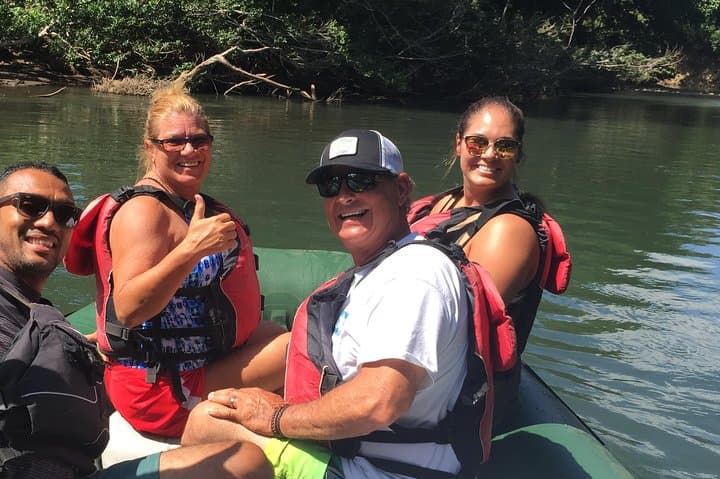
Yes; the float is calm (class I–II) and guides control the raft, but basic comfort in water is recommended and life jackets are provided.
Children are allowed but must be supervised; a valid passport copy is required for all travelers and specific age rules or extra fees may apply for certain pickup locations.
Miravalles’ geothermal features have been used locally for generations and are now part of Costa Rica’s broader geothermal energy development; the region blends ranching traditions with growing ecotourism.
Stick to marked paths, avoid introducing soap or lotions to freshwater, and support local guides—small groups minimize impact on fragile thermal and riparian habitats.
Guanadreamscr operates guided outdoor trips and adventures with an emphasis on safety, stewardship, and memorable experiences.


Steam rises off black stones as the minivan drops you onto the scrubby foothills of Miravalles, and the air suddenly smells of sulfur and warm earth. You walk a short way and the ground hisses; fumaroles vent like quiet breathers of the volcano below while bubbling clay pots mark the edge of an active geothermal field.
Steam rises off black stones as the minivan drops you onto the scrubby foothills of Miravalles, and the air suddenly smells of sulfur and warm earth. You walk a short way and the ground hisses; fumaroles vent like quiet breathers of the volcano below while bubbling clay pots mark the edge of an active geothermal field.
Miravalles is one of Guanacaste’s geologically alive peaks—its steam vents and mineral pools have long been part of local life and modern geothermal energy projects. On the same day you swap the crater’s heat for the cool, slow glide of the Corobici River, where guides row you past riverine forest alive with toucans, herons and the occasional howler monkey.
Culturally, this corner of Costa Rica blends cattle-ranching history and growing eco-tourism; local guides often point out old ranch fences repurposed into conservation corridors. Geologically, the area’s sulfur and silica give the mud baths reputed therapeutic qualities; the clay is fine and easy to smear on skin.
Practical note: this is a full-day outing (6–8 hours) with a mix of short uneven hikes, sitting in thermal areas, and a gentle float (class I–II). Wear closed shoes for the crater walk, a swimsuit for the hot springs and float, and bring a towel and biodegradable sunscreen. Stay hydrated—the geothermal zones are hot and the sun in Guanacaste is strong.
Expect a guided, moderately paced day that trades one landscape for another: steaming vents, mineral mud, and slow river turns where birds and trees set the tempo.