THE ADVENTURE COLLECTIVE® · Independent discovery and booking for outdoor travel

See Cusco’s Inca foundations and colonial heart from the comfort of a panoramic minibus. In 2.5 hours the Mirabus traces viewpoints from San Cristóbal to Sacsayhuamán—perfect for an orientation day at altitude.
See Cusco’s Inca foundations and colonial heart from the comfort of a panoramic minibus. In 2.5 hours the Mirabus traces viewpoints from San Cristóbal to Sacsayhuamán—perfect for an orientation day at altitude.
The Mirabus eases up the hillside as the city of Cusco unfolds beneath: red-tiled roofs, narrow colonial arcades, and the patchwork terraces of the surrounding Andes. From the windows, Sacsayhuamán’s massive stone ramparts loom like a deliberate interruption in the urban grid, while the Cristo Blanco silhouette crowns a nearby ridge, watching over the Plaza de Armas.
Verified experiences and guided adventures in the surrounding area.
Operated by Zarate Adventours · Cusco, Cusco Region
The Mirabus eases up the hillside as the city of Cusco unfolds beneath: red-tiled roofs, narrow colonial arcades, and the patchwork terraces of the surrounding Andes. From the windows, Sacsayhuamán’s massive stone ramparts loom like a deliberate interruption in the urban grid, while the Cristo Blanco silhouette crowns a nearby ridge, watching over the Plaza de Armas.
Cusco was the capital of the Inca Empire and later the stage for Spanish colonial reconfiguration; the Mirabus route traces those layers. You’ll pass Inca retaining walls at Colcampata and ceremonial outcrops at Qenqo—limestone carved with channels and altars—and skirt Puca Pucara, the reddish fortress that once monitored travelers. Geologically, the city sits in a high Andean basin carved by uplift and erosion, which gives the viewpoints dramatic vertical relief and ever-changing light.
Culturally the tour is a primer: the Plaza de Armas still pulses with markets and processions; San Cristóbal and the artisan quarter of San Blas show the living craft traditions. Practicalities are straightforward—the shared panoramic tour runs about 150 minutes, includes round-trip transport and a guide, and is limited to small groups. It’s a pass-by route: most stops are viewpoints rather than long visits, so wear sturdy shoes for quick disembarking and plan additional time if you want to explore sites on foot.
Altitude is the biggest consideration—spend a day or two acclimatizing, sip water often, and carry sunscreen and layers for sudden mountain weather. The Mirabus is an efficient orientation for first-time visitors, ideal for photographers and travelers who want a compact introduction to Cusco’s archaeology and urban fabric.
easy.
2–3 hours.
Suitable for most fitness levels; participants should be able to sit for 2–3 hours and manage short walks at high altitude.
The standard panoramic tour primarily passes by key sites and stops at viewpoints for photos rather than lengthy visits; plan separate tickets if you want to explore sites in depth.
The tour is low-impact but includes short, uneven walkways; it is not recommended for travelers with severe mobility limitations or spinal conditions (per operator advisories).
Yes—round-trip transportation and a professional guide are included in the tour price, with ongoing assistance during the route.
For a full refund cancel at least 24 hours before departure; cancellations within 24 hours are not refundable per the operator's policy.
Cusco served as the political and ceremonial center of the Inca Empire and was reworked by Spanish colonial architects who built cathedrals and arcades atop Inca foundations.
Visitor pressure can accelerate erosion and wear on Inca stonework; stick to marked paths, avoid touching carved surfaces, and support local guides who promote respectful tourism.
Zarate Adventours operates guided outdoor trips and adventures with an emphasis on safety, stewardship, and memorable experiences.
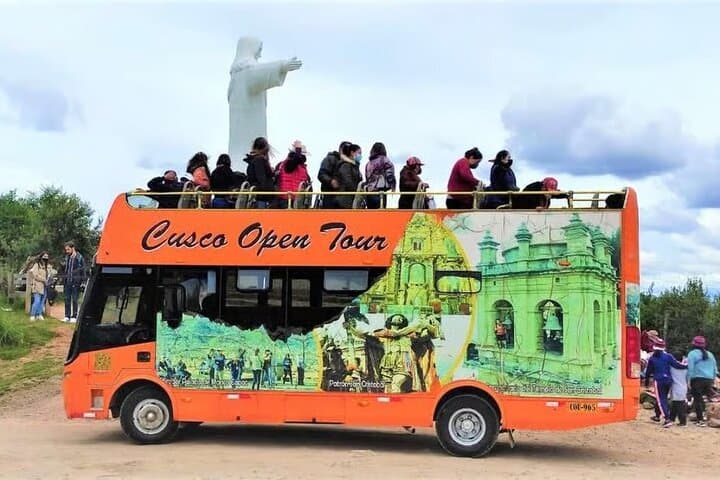


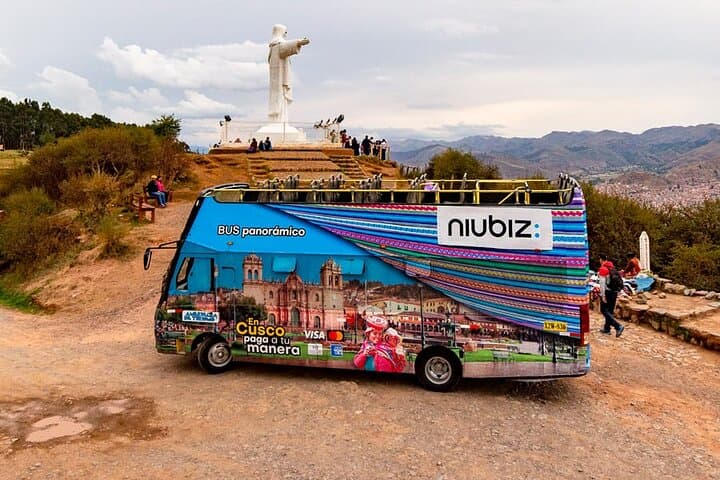
The Mirabus eases up the hillside as the city of Cusco unfolds beneath: red-tiled roofs, narrow colonial arcades, and the patchwork terraces of the surrounding Andes. From the windows, Sacsayhuamán’s massive stone ramparts loom like a deliberate interruption in the urban grid, while the Cristo Blanco silhouette crowns a nearby ridge, watching over the Plaza de Armas.
The Mirabus eases up the hillside as the city of Cusco unfolds beneath: red-tiled roofs, narrow colonial arcades, and the patchwork terraces of the surrounding Andes. From the windows, Sacsayhuamán’s massive stone ramparts loom like a deliberate interruption in the urban grid, while the Cristo Blanco silhouette crowns a nearby ridge, watching over the Plaza de Armas.
Cusco was the capital of the Inca Empire and later the stage for Spanish colonial reconfiguration; the Mirabus route traces those layers. You’ll pass Inca retaining walls at Colcampata and ceremonial outcrops at Qenqo—limestone carved with channels and altars—and skirt Puca Pucara, the reddish fortress that once monitored travelers. Geologically, the city sits in a high Andean basin carved by uplift and erosion, which gives the viewpoints dramatic vertical relief and ever-changing light.
Culturally the tour is a primer: the Plaza de Armas still pulses with markets and processions; San Cristóbal and the artisan quarter of San Blas show the living craft traditions. Practicalities are straightforward—the shared panoramic tour runs about 150 minutes, includes round-trip transport and a guide, and is limited to small groups. It’s a pass-by route: most stops are viewpoints rather than long visits, so wear sturdy shoes for quick disembarking and plan additional time if you want to explore sites on foot.
Altitude is the biggest consideration—spend a day or two acclimatizing, sip water often, and carry sunscreen and layers for sudden mountain weather. The Mirabus is an efficient orientation for first-time visitors, ideal for photographers and travelers who want a compact introduction to Cusco’s archaeology and urban fabric.