THE ADVENTURE COLLECTIVE® · Independent discovery and booking for outdoor travel

A concise, private 2.5‑hour hike from Osaka into Minoo Park that leads to the dramatic 33‑meter Minoo Falls. Expect forested trails, stone steps, historic shrines and seasonal treats like maple‑leaf tempura.
A concise, private 2.5‑hour hike from Osaka into Minoo Park that leads to the dramatic 33‑meter Minoo Falls. Expect forested trails, stone steps, historic shrines and seasonal treats like maple‑leaf tempura.
A cool breath of mountain air meets the city edge on the trail to Minoo (Minoh) Falls. Start where the forest leans over the mountain stream and follow the path as the water calls you forward; the cascade grows louder until the 33‑meter drop announces itself in a white roar.
Verified experiences and guided adventures in the surrounding area.
Operated by DeepExperience · Minoh, Osaka Prefecture
A cool breath of mountain air meets the city edge on the trail to Minoo (Minoh) Falls. Start where the forest leans over the mountain stream and follow the path as the water calls you forward; the cascade grows louder until the 33‑meter drop announces itself in a white roar.
The route traces a route long used for mountain worship and Shugendō practice — ascetics once moved through these stands of maple and cedar as part of spiritual training. Geologically the valley is a carved gorge of older volcanic and sedimentary rock, with the stream cutting terraces and exposing rounded boulders that redirect currents and spray. Local culture shows up in small shrines, seasonal foods and the famous maple‑leaf tempura sold near the park entrance, a crunchy reminder of how nature and cuisine meet here.
Practical notes: the trail is well‑formed but narrow in places, with many stone steps and short climbs — expect uneven roots and slick sections after rain. The private 2.5‑hour format means a relaxed pace, time for history and photos, and a guide who points out temples, culinary stops, and folklore along the way.
Plan for changing weather, bring good shoes and water, and time your visit for morning or late afternoon to avoid crowds, especially during autumn foliage. Be respectful at shrines and keep to marked paths; the park’s conservation relies on visitors staying on trails and packing out waste.
easy.
2–3 hours.
Suitable for most walkers with basic stamina; involves short climbs and steps but no technical scrambling.
The route is classified easy—well‑maintained paths and stone steps; basic fitness and mobility suffice for the 2.5‑hour loop.
Take the Hankyu Takarazuka Line to Minoo Station; the park entrance is a short walk from the station and clearly signposted.
Public restrooms are available near the park entrance and at the falls area, but facilities are limited—use them before you start.
Yes for many families and older adults if they are comfortable with stairs and mild uphill walking; inform the guide of any mobility concerns.
Minoo Falls has been a focus of Shugendō and mountain worship for centuries; ascetics used the falls and nearby temples for ritual training.
Minoo Park is managed to protect native forest and stream habitats—stay on trail, carry out trash, and avoid feeding wildlife to minimize impact.
DeepExperience operates guided outdoor trips and adventures with an emphasis on safety, stewardship, and memorable experiences.
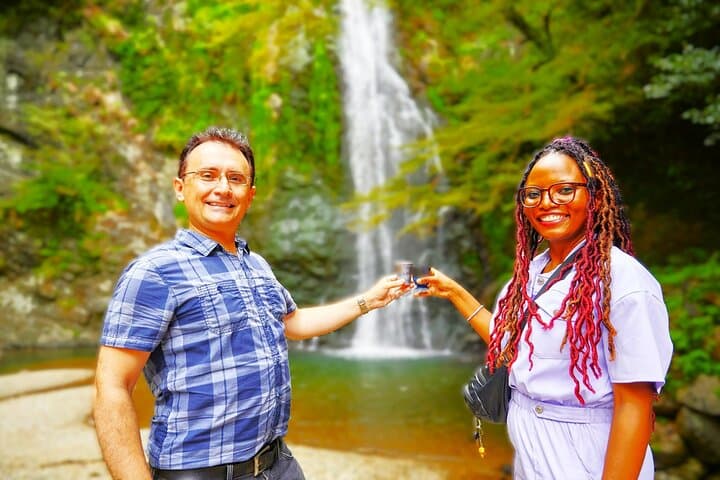
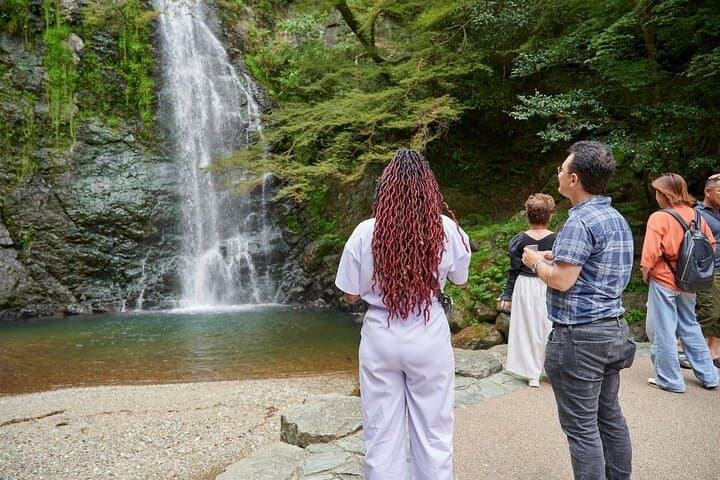
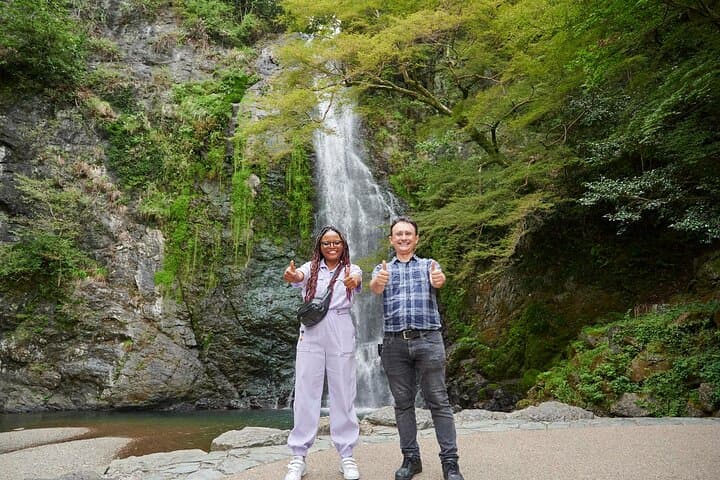
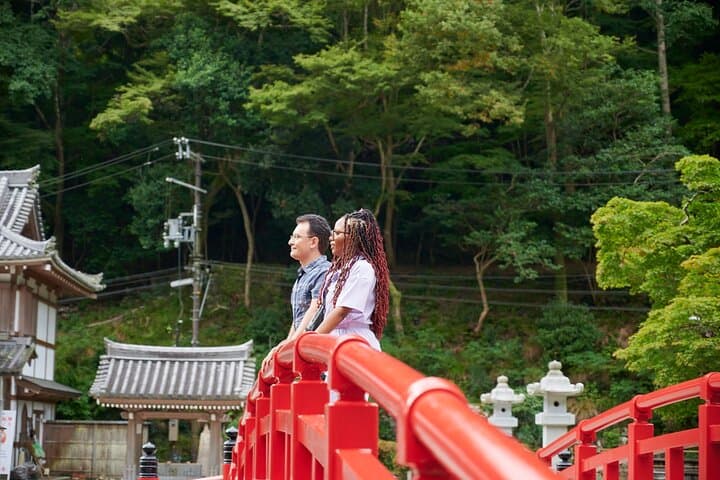
A cool breath of mountain air meets the city edge on the trail to Minoo (Minoh) Falls. Start where the forest leans over the mountain stream and follow the path as the water calls you forward; the cascade grows louder until the 33‑meter drop announces itself in a white roar.
A cool breath of mountain air meets the city edge on the trail to Minoo (Minoh) Falls. Start where the forest leans over the mountain stream and follow the path as the water calls you forward; the cascade grows louder until the 33‑meter drop announces itself in a white roar.
The route traces a route long used for mountain worship and Shugendō practice — ascetics once moved through these stands of maple and cedar as part of spiritual training. Geologically the valley is a carved gorge of older volcanic and sedimentary rock, with the stream cutting terraces and exposing rounded boulders that redirect currents and spray. Local culture shows up in small shrines, seasonal foods and the famous maple‑leaf tempura sold near the park entrance, a crunchy reminder of how nature and cuisine meet here.
Practical notes: the trail is well‑formed but narrow in places, with many stone steps and short climbs — expect uneven roots and slick sections after rain. The private 2.5‑hour format means a relaxed pace, time for history and photos, and a guide who points out temples, culinary stops, and folklore along the way.
Plan for changing weather, bring good shoes and water, and time your visit for morning or late afternoon to avoid crowds, especially during autumn foliage. Be respectful at shrines and keep to marked paths; the park’s conservation relies on visitors staying on trails and packing out waste.