THE ADVENTURE COLLECTIVE® · Independent discovery and booking for outdoor travel

Ride a rugged 4x4 into the grasslands around Minneriya and watch thousands of pounds of wild elephant reorganize the plain. This jeep safari from Sigiriya pairs close-up animal encounters with local insight into the park’s history and conservation challenges.
Ride a rugged 4x4 into the grasslands around Minneriya and watch thousands of pounds of wild elephant reorganize the plain. This jeep safari from Sigiriya pairs close-up animal encounters with local insight into the park’s history and conservation challenges.
The jeep rocks over a dry red track and the morning light sharpens the silhouettes of trunks and tusks at the far edge of the reservoir. Dust lifts in slow plumes as a matriarch tests the air and the herd rearranges itself like a living map — calves pressed to the middle, bulls on the margins. On a Minneriya safari from Sigiriya, the landscape does more than frame wildlife; it directs the day. The tank, the grasslands and the rock of Sigiriya sometimes appear in the same view, each element tugging at your attention.
Verified experiences and guided adventures in the surrounding area.
Operated by Kokila Jeep Safari · Sigiriya, Central Province
The jeep rocks over a dry red track and the morning light sharpens the silhouettes of trunks and tusks at the far edge of the reservoir. Dust lifts in slow plumes as a matriarch tests the air and the herd rearranges itself like a living map — calves pressed to the middle, bulls on the margins. On a Minneriya safari from Sigiriya, the landscape does more than frame wildlife; it directs the day. The tank, the grasslands and the rock of Sigiriya sometimes appear in the same view, each element tugging at your attention.
Minneriya's modern identity is shaped by much older engineering: the Minneriya Tank and neighboring reservoirs were expanded by ancient kings — including work attributed to King Mahasena — to collect monsoon rain and irrigate the plains. Those waterworks created the seasonal floodplain that now draws elephants in great numbers. Geologically the region is low, flat and dominated by shallow tanks and grassy plains that feed migratory and resident birdlife, and by laterite soils that bake into the reds and browns you see from the jeep.
The cultural landscape is equally raw. Village life and rice paddies sit a short drive from the park boundary; local guides often point out where herds cross traditional pathways and where villagers coexist with a steady elephant presence. Conservation concerns thread through the day — rangers, local trackers and community members all play roles in keeping a balance between tourism and wildlife protection.
Practicalities are simple but matter. Tours run from one hour to a full day (the provider lists 1–10 hours), with hotel or guesthouse pickup available within 15 km of Sigiriya. Park entrance fees are separate and fluctuate — bring cash and patience at the gate. Expect bumpy jeep roads and significant dust; wheelchair-accessible options are noted, but safaris demand reasonable mobility and the ability to climb in and out of a raised 4x4.
For a clean, productive safari: go late afternoon in the dry season (roughly August–October) when the ‘Elephant Gathering’ concentrates animals near water; arrive earlier in shoulder months for fewer vehicles. Keep distance — elephants direct their own approach — and follow guide instructions. Binoculars and a long lens reward patience; muted clothing, sun protection and a refillable water bottle keep you comfortable.
Safety and etiquette matter: never feed or try to touch animals, avoid loud noises, and keep camera flashes off. Local guides provide context — from elephant behavior to how the old irrigation works shaped today’s patterns — so listen as much as you photograph. If the jeep slows and the herd fixes you with a measured glance, that’s the landscape reminding you who’s in charge.
moderate.
1–10 hours.
Moderate fitness needed: you should be comfortable entering/exiting a raised 4x4 and sitting for several hours.
No. Entrance fees for Minneriya National Park are separate and may vary; bring cash or confirm payment options with your operator.
The late dry season, typically August to October, concentrates large herds around the reservoir in the late afternoon.
This operator offers flexible options from short 1-hour drives to full 5–10 hour safaris; itineraries can often be customized at booking.
Yes—infants may ride in laps or strollers during transfer; however, safaris are not recommended for very young children during long drives and require parental discretion.
Yes—safaris use rugged 4x4 jeeps with experienced English- and Sinhala-speaking driver-guides who understand animal behavior and park rules.
Wear neutral, breathable clothing, closed-toe shoes, sun protection, a refillable water bottle, binoculars, and some cash for park fees and tips.
The park’s floodplain formed around ancient irrigation works and tanks expanded during the reign of early Sri Lankan kings such as Mahasena, shaping the seasonal rhythms that attract elephants today.
Tourism revenue supports ranger patrols and local communities, but human–elephant conflict remains an issue; follow guide rules and avoid anything that encourages animals toward roads or villages.
Kokila Jeep Safari operates guided outdoor trips and adventures with an emphasis on safety, stewardship, and memorable experiences.
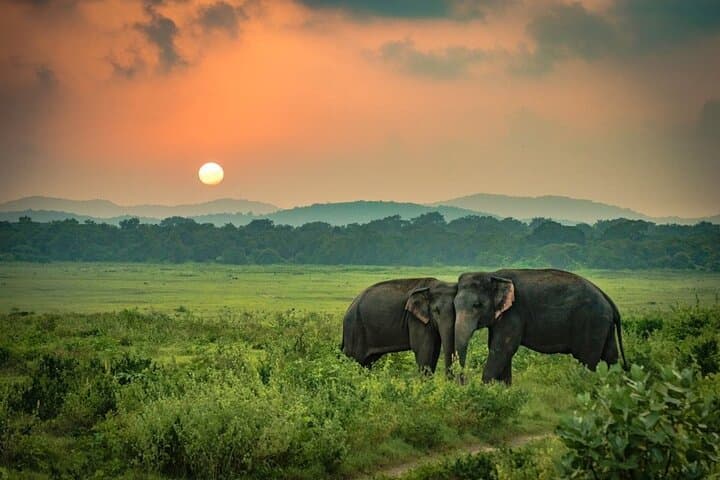
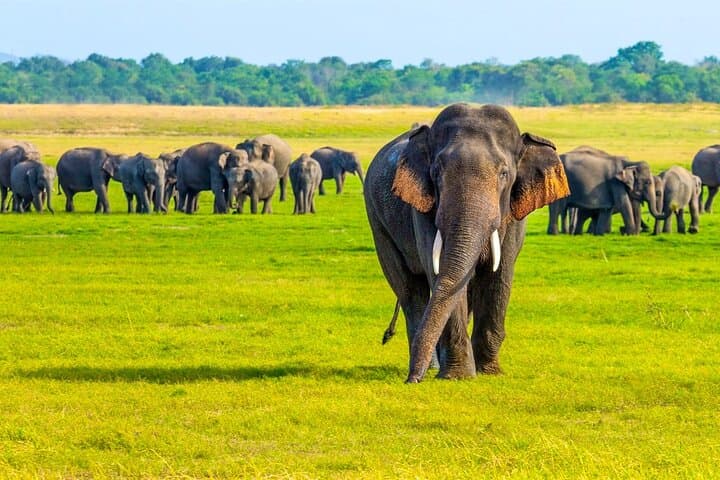
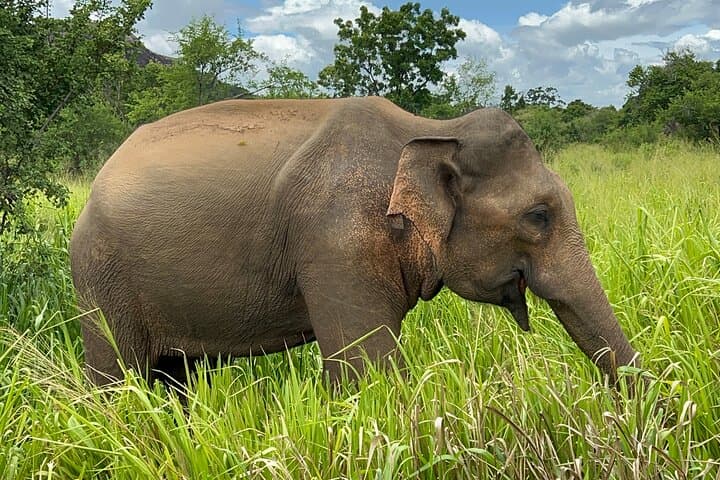
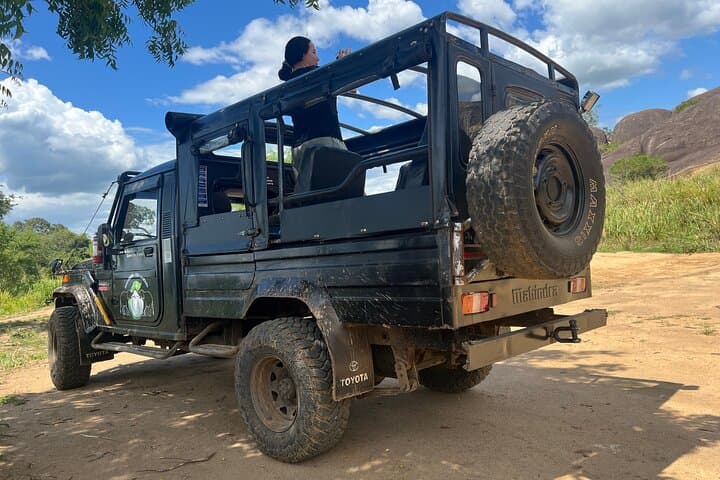
The jeep rocks over a dry red track and the morning light sharpens the silhouettes of trunks and tusks at the far edge of the reservoir. Dust lifts in slow plumes as a matriarch tests the air and the herd rearranges itself like a living map — calves pressed to the middle, bulls on the margins. On a Minneriya safari from Sigiriya, the landscape does more than frame wildlife; it directs the day. The tank, the grasslands and the rock of Sigiriya sometimes appear in the same view, each element tugging at your attention.
The jeep rocks over a dry red track and the morning light sharpens the silhouettes of trunks and tusks at the far edge of the reservoir. Dust lifts in slow plumes as a matriarch tests the air and the herd rearranges itself like a living map — calves pressed to the middle, bulls on the margins. On a Minneriya safari from Sigiriya, the landscape does more than frame wildlife; it directs the day. The tank, the grasslands and the rock of Sigiriya sometimes appear in the same view, each element tugging at your attention.
Minneriya's modern identity is shaped by much older engineering: the Minneriya Tank and neighboring reservoirs were expanded by ancient kings — including work attributed to King Mahasena — to collect monsoon rain and irrigate the plains. Those waterworks created the seasonal floodplain that now draws elephants in great numbers. Geologically the region is low, flat and dominated by shallow tanks and grassy plains that feed migratory and resident birdlife, and by laterite soils that bake into the reds and browns you see from the jeep.
The cultural landscape is equally raw. Village life and rice paddies sit a short drive from the park boundary; local guides often point out where herds cross traditional pathways and where villagers coexist with a steady elephant presence. Conservation concerns thread through the day — rangers, local trackers and community members all play roles in keeping a balance between tourism and wildlife protection.
Practicalities are simple but matter. Tours run from one hour to a full day (the provider lists 1–10 hours), with hotel or guesthouse pickup available within 15 km of Sigiriya. Park entrance fees are separate and fluctuate — bring cash and patience at the gate. Expect bumpy jeep roads and significant dust; wheelchair-accessible options are noted, but safaris demand reasonable mobility and the ability to climb in and out of a raised 4x4.
For a clean, productive safari: go late afternoon in the dry season (roughly August–October) when the ‘Elephant Gathering’ concentrates animals near water; arrive earlier in shoulder months for fewer vehicles. Keep distance — elephants direct their own approach — and follow guide instructions. Binoculars and a long lens reward patience; muted clothing, sun protection and a refillable water bottle keep you comfortable.
Safety and etiquette matter: never feed or try to touch animals, avoid loud noises, and keep camera flashes off. Local guides provide context — from elephant behavior to how the old irrigation works shaped today’s patterns — so listen as much as you photograph. If the jeep slows and the herd fixes you with a measured glance, that’s the landscape reminding you who’s in charge.