THE ADVENTURE COLLECTIVE® · Independent discovery and booking for outdoor travel

Explore Minneapolis’ nine-mile indoor skyway network on a 2.5-hour guided walk that threads together architecture, public art, and civic history. Perfect for cold winters or rainy days, the tour offers an efficient, weatherproof way to see downtown.
Explore Minneapolis’ nine-mile indoor skyway network on a 2.5-hour guided walk that threads together architecture, public art, and civic history. Perfect for cold winters or rainy days, the tour offers an efficient, weatherproof way to see downtown.
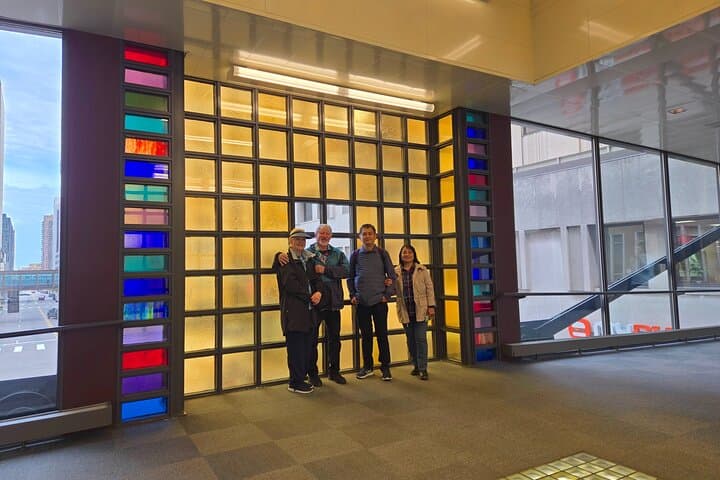
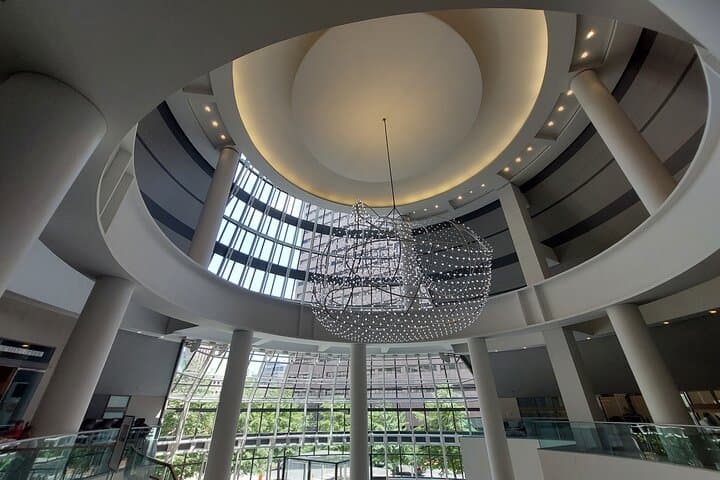
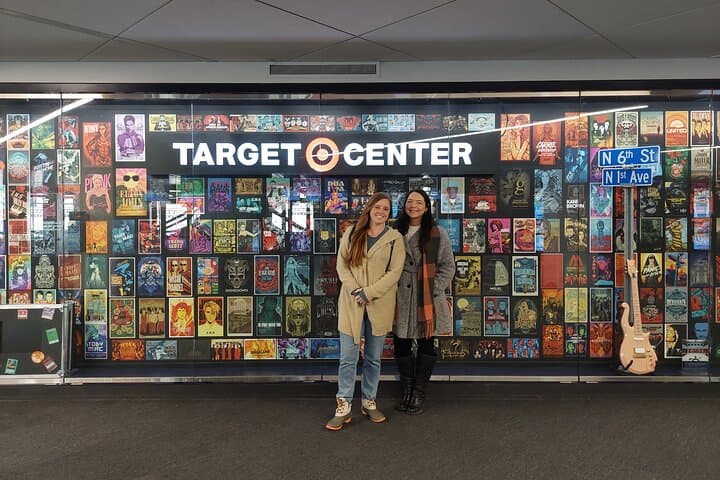
Step into the second-story arteries of Minneapolis and the city rearranges itself: light pools in glass atriums, HVAC breaths move through the concrete, and signs point you along more than nine miles of connected walkways. The tour begins at the W Hotel in the historic Foshay Tower, then threads through IDS Center’s Crystal Court, past public art installations, and into original skyway segments that reveal the city’s postwar effort to keep downtown alive.
Verified experiences and guided adventures in the surrounding area.
Operated by Mpls City & Skyway Tours · Minneapolis, Minnesota
Step into the second-story arteries of Minneapolis and the city rearranges itself: light pools in glass atriums, HVAC breaths move through the concrete, and signs point you along more than nine miles of connected walkways. The tour begins at the W Hotel in the historic Foshay Tower, then threads through IDS Center’s Crystal Court, past public art installations, and into original skyway segments that reveal the city’s postwar effort to keep downtown alive.
The skyway system grew from mid-20th-century urban planning aimed at reclaiming retail and civic life. Architecturally, you’ll see mid-century modern reconstructions next to 19th-century masonry and adaptive reuses—bank lobbies turned boutique hotels and courtrooms linked by underground tunnels. Culture here is civic and practical: the skyways exist because Minneapolis winters demand them and because the city chose pedestrian connectivity over parking lots.
Expect two miles of easy walking across polished floors, occasional escalators, and short outdoor crossings between buildings. The route highlights permanent art, a Chihuly glass display, and the chance to take an elevator to the Foshay observation deck for skyline views.
Practical guide: wear comfortable shoes, bring a refillable water bottle, and time your visit midmorning to avoid rush-hour office traffic. The guide-owned operation emphasizes small groups and local stories—ask about the Replacements’ song and the “big toe” in City Hall for a quick local laugh. This is a weatherproof city exploration that combines architecture, civic history, and efficient urban movement.
easy.
2–3 hours.
Suitable for most fitness levels; requires walking on flat surfaces and using a few elevators and escalators.
The group meets at the big “W” in the W Hotel lobby in the Foshay Tower and returns there at the tour’s end.
The tour walks up to two miles with breaks and uses elevators and ramps where available; it’s rated easy and suitable for most mobility levels—contact the operator to discuss specific needs.
Skyways are largely enclosed so the tour runs in most conditions; check the operator’s cancellation policy, as extreme circumstances may change plans.
The tour finishes near the Foshay Tower observation deck; access may be optional or separately ticketed—ask the guide about availability during your tour.
The Minneapolis skyway system expanded from postwar urban renewal initiatives to connect retail and civic cores; it now links about 80 blocks and over nine miles of enclosed walkways.
Travelers can help by using refill stations, patronizing downtown local businesses, and keeping public spaces clean—small actions help maintain these high-traffic interior ecosystems.
Mpls City & Skyway Tours operates guided outdoor trips and adventures with an emphasis on safety, stewardship, and memorable experiences.
Step into the second-story arteries of Minneapolis and the city rearranges itself: light pools in glass atriums, HVAC breaths move through the concrete, and signs point you along more than nine miles of connected walkways. The tour begins at the W Hotel in the historic Foshay Tower, then threads through IDS Center’s Crystal Court, past public art installations, and into original skyway segments that reveal the city’s postwar effort to keep downtown alive.
Step into the second-story arteries of Minneapolis and the city rearranges itself: light pools in glass atriums, HVAC breaths move through the concrete, and signs point you along more than nine miles of connected walkways. The tour begins at the W Hotel in the historic Foshay Tower, then threads through IDS Center’s Crystal Court, past public art installations, and into original skyway segments that reveal the city’s postwar effort to keep downtown alive.
The skyway system grew from mid-20th-century urban planning aimed at reclaiming retail and civic life. Architecturally, you’ll see mid-century modern reconstructions next to 19th-century masonry and adaptive reuses—bank lobbies turned boutique hotels and courtrooms linked by underground tunnels. Culture here is civic and practical: the skyways exist because Minneapolis winters demand them and because the city chose pedestrian connectivity over parking lots.
Expect two miles of easy walking across polished floors, occasional escalators, and short outdoor crossings between buildings. The route highlights permanent art, a Chihuly glass display, and the chance to take an elevator to the Foshay observation deck for skyline views.
Practical guide: wear comfortable shoes, bring a refillable water bottle, and time your visit midmorning to avoid rush-hour office traffic. The guide-owned operation emphasizes small groups and local stories—ask about the Replacements’ song and the “big toe” in City Hall for a quick local laugh. This is a weatherproof city exploration that combines architecture, civic history, and efficient urban movement.