THE ADVENTURE COLLECTIVE® · Independent discovery and booking for outdoor travel

Turn strangers into tablemates and your meal into a cultural exchange. MingleX pairs travelers with English-speaking Shanghai locals for two hours of shared food, stories, and practical city tips.
Turn strangers into tablemates and your meal into a cultural exchange. MingleX pairs travelers with English-speaking Shanghai locals for two hours of shared food, stories, and practical city tips.
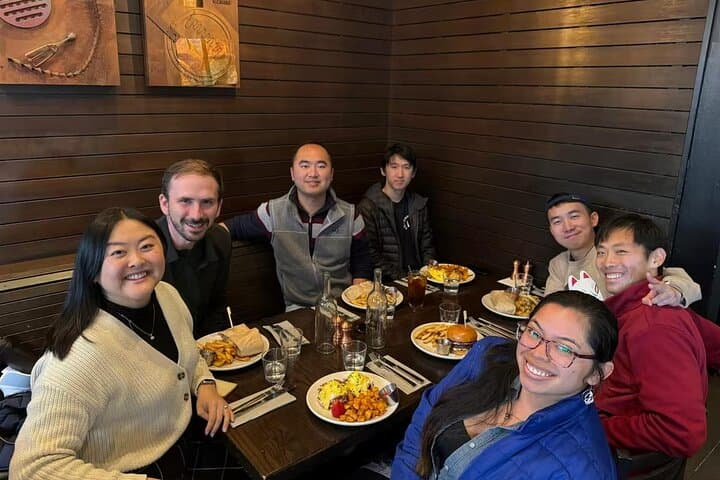
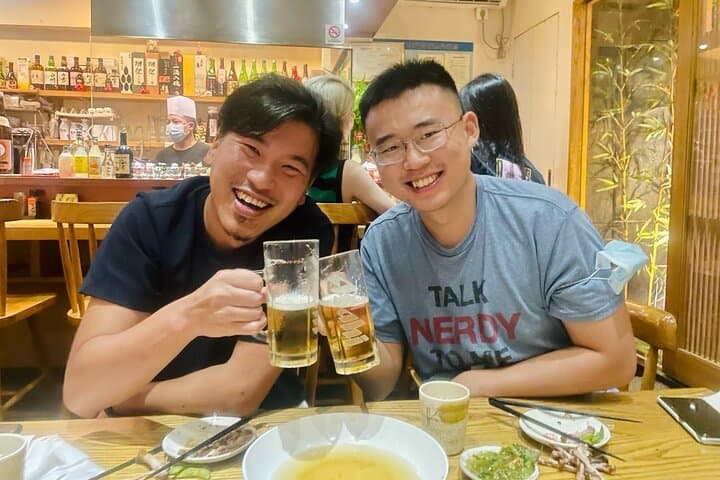
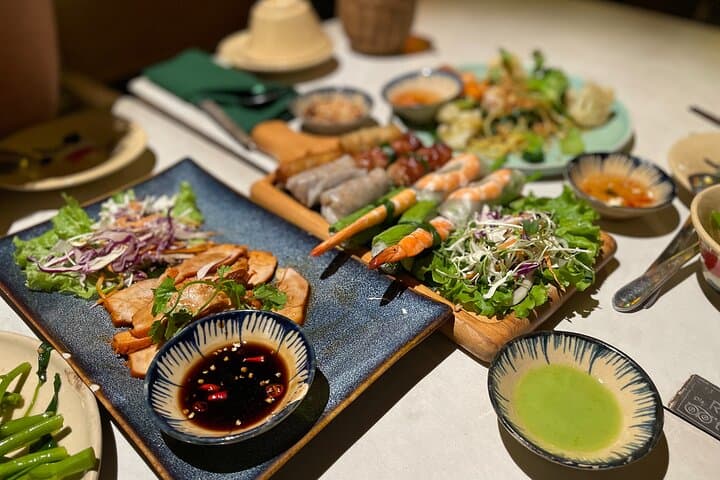
You step into a low-lit restaurant in central Shanghai and the city hums around you—the Huangpu slipping by like a patient storyteller and neon signs punctuating conversations. At a MingleX table, strangers fold into companions over scallion pancakes and small plates, the language of food bridging gaps before sentences do.
Verified experiences and guided adventures in the surrounding area.
Operated by Shane · Shanghai, Shanghai
You step into a low-lit restaurant in central Shanghai and the city hums around you—the Huangpu slipping by like a patient storyteller and neon signs punctuating conversations. At a MingleX table, strangers fold into companions over scallion pancakes and small plates, the language of food bridging gaps before sentences do.
Shanghai’s food scene is a product of port-city history: decades of international trade, regional migrants and local ingenuity produced the sweet-savory signatures of Shanghainese cuisine and a broad selection of global options. The city sits on the Yangtze Delta, its flat streets and grid of lanes shaped by reclaimed shoreline and river trade; dining here is as much social geography as it is flavor.
Expect an evening curated by a matching algorithm—answer a short survey, arrive at a vetted local restaurant and meet English-speaking locals and international travelers. Hosts prioritize comfortable conversation and mid-range menus ($20–$50 per person; not included). The format encourages stories and practical tips on where to explore next: quiet tea houses in French Concession, late-night soup dumpling stands, or a walk along the Bund to watch cargo barges push upriver.
Practical edge: confirm dietary needs in advance, carry a charged phone for translations and payment, and plan public-transport routes—metro stops are often the fastest option. Timing matters: arrive on time to avoid disrupting carefully arranged seating. In short, MingleX is a social shortcut to local knowledge—low-risk, people-forward, and built for conversation.
easy.
2 hours.
Suitable for all fitness levels; activity requires only typical mobility for seated dining.
No—the ticket covers matchmaking and organization; you pay for food and drinks at the restaurant, typically $20–$50 per person depending on choices.
Groups are curated to match vibes and are generally small (one table); hosts and many local participants speak English, but you may encounter varying levels.
Meeting points are at centrally located, locally loved restaurants—public transport options are available nearby; exact address is provided after booking.
Yes—specify dietary requirements when booking so organizers can select a suitable restaurant or notify the venue in advance.
Shanghai grew from a fishing and textile settlement into a global treaty port in the 19th century, creating a fusion culinary scene influenced by Jiangnan traditions and international trade.
Opt for public transit and reusable utensils when possible—reducing food waste and single-use plastics supports Shanghai’s ongoing urban sustainability efforts.
Shane operates guided outdoor trips and adventures with an emphasis on safety, stewardship, and memorable experiences.
You step into a low-lit restaurant in central Shanghai and the city hums around you—the Huangpu slipping by like a patient storyteller and neon signs punctuating conversations. At a MingleX table, strangers fold into companions over scallion pancakes and small plates, the language of food bridging gaps before sentences do.
You step into a low-lit restaurant in central Shanghai and the city hums around you—the Huangpu slipping by like a patient storyteller and neon signs punctuating conversations. At a MingleX table, strangers fold into companions over scallion pancakes and small plates, the language of food bridging gaps before sentences do.
Shanghai’s food scene is a product of port-city history: decades of international trade, regional migrants and local ingenuity produced the sweet-savory signatures of Shanghainese cuisine and a broad selection of global options. The city sits on the Yangtze Delta, its flat streets and grid of lanes shaped by reclaimed shoreline and river trade; dining here is as much social geography as it is flavor.
Expect an evening curated by a matching algorithm—answer a short survey, arrive at a vetted local restaurant and meet English-speaking locals and international travelers. Hosts prioritize comfortable conversation and mid-range menus ($20–$50 per person; not included). The format encourages stories and practical tips on where to explore next: quiet tea houses in French Concession, late-night soup dumpling stands, or a walk along the Bund to watch cargo barges push upriver.
Practical edge: confirm dietary needs in advance, carry a charged phone for translations and payment, and plan public-transport routes—metro stops are often the fastest option. Timing matters: arrive on time to avoid disrupting carefully arranged seating. In short, MingleX is a social shortcut to local knowledge—low-risk, people-forward, and built for conversation.