THE ADVENTURE COLLECTIVE® · Independent discovery and booking for outdoor travel

Spend a contemplative morning at Mindrolling Monastery near Dehradun and return to Rishikesh in time for the evening Ganga Aarti. This full-day private tour pairs Buddhist study halls and a stupa with a riverfront ritual that defines life along the Ganges.
Spend a contemplative morning at Mindrolling Monastery near Dehradun and return to Rishikesh in time for the evening Ganga Aarti. This full-day private tour pairs Buddhist study halls and a stupa with a riverfront ritual that defines life along the Ganges.
A low morning sun slides down the foothills as your vehicle leaves Rishikesh’s river noise behind and climbs toward Dehradun’s Clement Town. Pine-scented air tightens around the road; prayer flags begin to appear, snapping like quiet applause. At Mindrolling Monastery the scale is immediately different: a broad stupa, lacquered shrines and rows of saffron-robed novices moving between classrooms and courtyards.
Verified experiences and guided adventures in the surrounding area.
Operated by SITA World Tours · Rishikesh, Uttarakhand
A low morning sun slides down the foothills as your vehicle leaves Rishikesh’s river noise behind and climbs toward Dehradun’s Clement Town. Pine-scented air tightens around the road; prayer flags begin to appear, snapping like quiet applause. At Mindrolling Monastery the scale is immediately different: a broad stupa, lacquered shrines and rows of saffron-robed novices moving between classrooms and courtyards.
Mindrolling is one of the principal centers of the Nyingma lineage, with institutional roots tracing to 17th-century Tibetan Buddhism and a revival in exile that established the Dehradun complex. Geologically you’re at the southern edge of the Lesser Himalaya—gentle ridges, terraced foothills and clear streams that feed the Ganges far below.
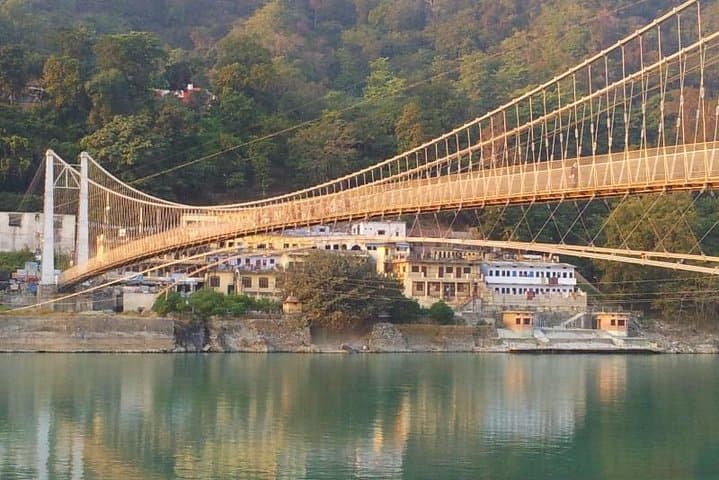
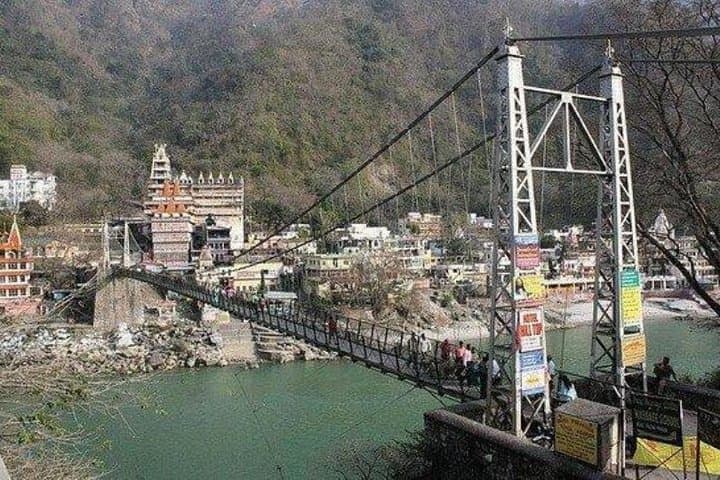
Culture here is deliberate: chant, study and ritual are daily practice. Monks will often accept silent presence; watch lessons through open thresholds and pause at the stupa to note its iconography. After a local lunch you return toward Rishikesh as evening cools the valley. The Ganga Aarti—dawn and dusk prayer to the river—turns the ghats into a stage of lamps, incense and synchronized chants that bring locals and visitors into a shared rhythm.
Practical guidance: pack a modest outfit covering knees and shoulders to enter shrines, bring cash for donations and modest temple offerings, and allow traffic variability—the round trip can take 3–4 hours driving plus site time. Hydrate before and after visits, and time your return to arrive at the ghats at least 20–30 minutes before the Aarti for a good view.
This day trip moves at the pace of place: contemplative, instructive and visibly tied to the river that shapes life downstream.
moderate.
8 hours.
Suitable for travelers with moderate fitness; involves short walks, stairs and sitting on the ground during ceremonies.
The monastery lies roughly 30 miles (about 1.5–2 hours by road, depending on traffic) toward Dehradun in the foothills.
Yes—both sites expect modest dress: no shorts or sleeveless tops; knees and shoulders should be covered for men and women.
Yes—the typical itinerary includes lunch near the monastery and returns to Rishikesh in time for the evening Ganga Aarti.
Access within some shrine areas involves steps and uneven surfaces; travelers with significant mobility issues should check specifics with the operator beforehand.
Mindrolling traces its lineage to the 17th-century Nyingma tradition; the Dehradun complex was re-established by Tibetan exiles as a major training institute.
The Ganga’s ritual significance supports local stewardship, but visitors should avoid single-use plastics and respect riverbank cleanliness to reduce impact.
SITA World Tours operates guided outdoor trips and adventures with an emphasis on safety, stewardship, and memorable experiences.


A low morning sun slides down the foothills as your vehicle leaves Rishikesh’s river noise behind and climbs toward Dehradun’s Clement Town. Pine-scented air tightens around the road; prayer flags begin to appear, snapping like quiet applause. At Mindrolling Monastery the scale is immediately different: a broad stupa, lacquered shrines and rows of saffron-robed novices moving between classrooms and courtyards.
A low morning sun slides down the foothills as your vehicle leaves Rishikesh’s river noise behind and climbs toward Dehradun’s Clement Town. Pine-scented air tightens around the road; prayer flags begin to appear, snapping like quiet applause. At Mindrolling Monastery the scale is immediately different: a broad stupa, lacquered shrines and rows of saffron-robed novices moving between classrooms and courtyards.
Mindrolling is one of the principal centers of the Nyingma lineage, with institutional roots tracing to 17th-century Tibetan Buddhism and a revival in exile that established the Dehradun complex. Geologically you’re at the southern edge of the Lesser Himalaya—gentle ridges, terraced foothills and clear streams that feed the Ganges far below.
Culture here is deliberate: chant, study and ritual are daily practice. Monks will often accept silent presence; watch lessons through open thresholds and pause at the stupa to note its iconography. After a local lunch you return toward Rishikesh as evening cools the valley. The Ganga Aarti—dawn and dusk prayer to the river—turns the ghats into a stage of lamps, incense and synchronized chants that bring locals and visitors into a shared rhythm.
Practical guidance: pack a modest outfit covering knees and shoulders to enter shrines, bring cash for donations and modest temple offerings, and allow traffic variability—the round trip can take 3–4 hours driving plus site time. Hydrate before and after visits, and time your return to arrive at the ghats at least 20–30 minutes before the Aarti for a good view.
This day trip moves at the pace of place: contemplative, instructive and visibly tied to the river that shapes life downstream.