THE ADVENTURE COLLECTIVE® · Independent discovery and booking for outdoor travel

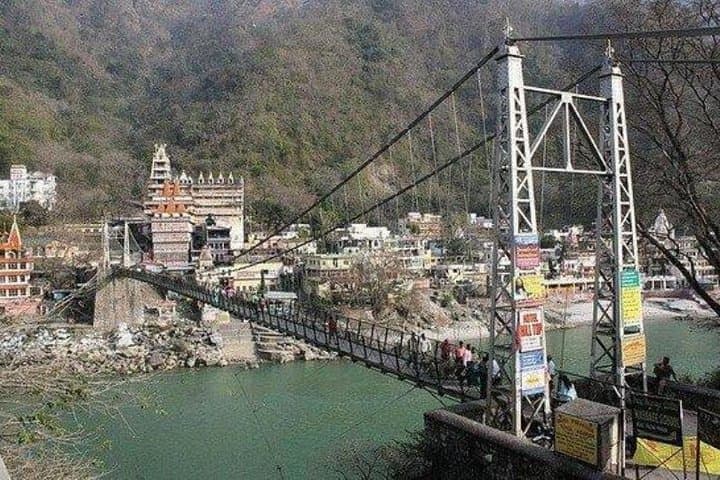
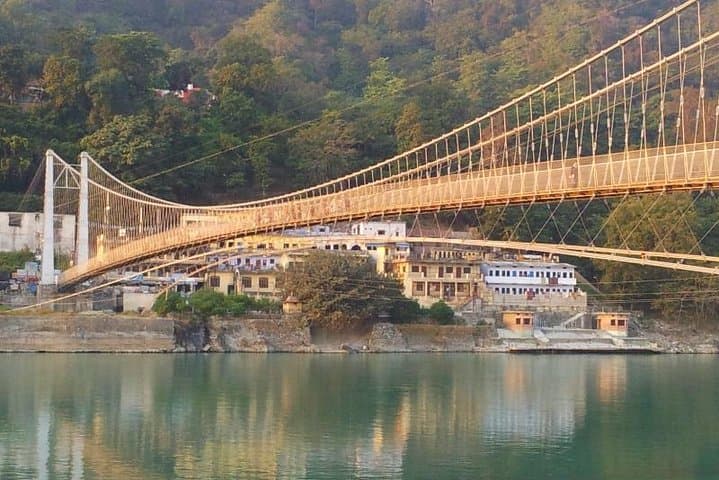
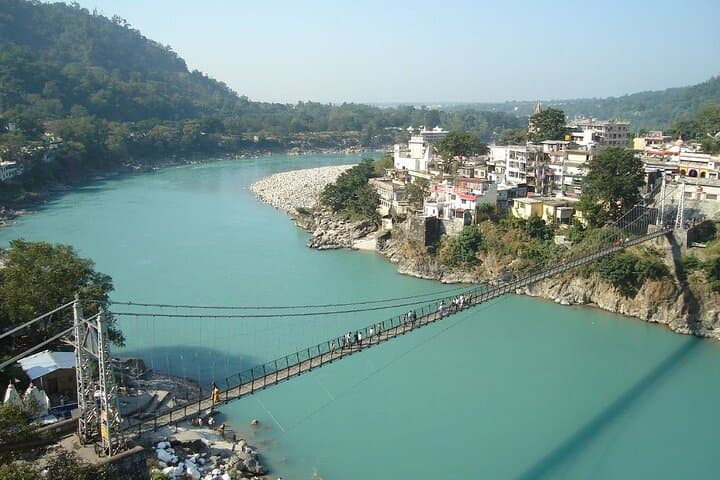
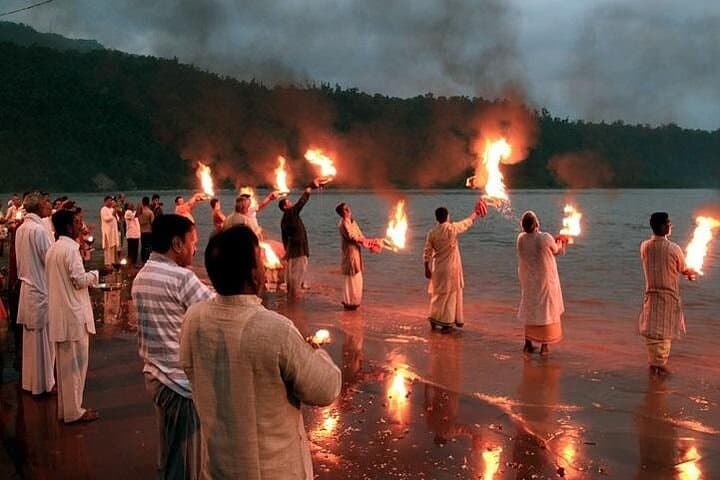
Spend a day between the foothills and the river: visit Mindrolling Monastery near Dehradun, watch young monks in training, enjoy lunch, then return to Rishikesh for the evening Ganga Aarti on the riverbank. Practical travel details and what to expect for the day.
Spend a day between the foothills and the river: visit Mindrolling Monastery near Dehradun, watch young monks in training, enjoy lunch, then return to Rishikesh for the evening Ganga Aarti on the riverbank. Practical travel details and what to expect for the day.
The morning light slices across the lower Himalaya as your private car climbs toward Mindrolling Monastery, flags snapping like small voices in the cold air. The monastery sits on a gentle rise above Dehradun’s outskirts—a white stupa and rows of prayer wheels punctuating terraces of pines and scrub. Inside, chanting and the scuff of young monks’ feet shape a steady rhythm; outside, the valley breathes toward the River Ganges where dusk later gathers the town for Ganga Aarti.
Verified experiences and guided adventures in the surrounding area.
Operated by SITA World Tours · Dehradun, Uttarakhand
The morning light slices across the lower Himalaya as your private car climbs toward Mindrolling Monastery, flags snapping like small voices in the cold air. The monastery sits on a gentle rise above Dehradun’s outskirts—a white stupa and rows of prayer wheels punctuating terraces of pines and scrub. Inside, chanting and the scuff of young monks’ feet shape a steady rhythm; outside, the valley breathes toward the River Ganges where dusk later gathers the town for Ganga Aarti.
Mindrolling belongs to the Nyingma lineage with Tibetan roots dating back to the 17th century; today it functions as a large monastic institute where traditional ritual, scholarship, and arts are taught. Geologically the route threads the Siwalik foothills—soft ridges of sandstone and conglomerate that funnel streams into the Ganges plain. Culturally this is pilgrimage territory: modest dress and quiet presence are expected, and local vendors serve simple, warming meals.
Practicalities matter. Expect roughly a 1.5-hour drive (30 miles / ~48 km) each way from central Rishikesh, with 2–3 hours for the monastery visit plus lunch and an evening return for the Aarti ceremony. Wear shoes for uneven temple courtyards, bring water, and plan for variable mountain light—cool mornings and warmer midday. Avoid the heavy monsoon (July–September) when access and comfort drop.
This is a day designed for slow attention: observe study sessions in the courtyard, climb to the stupa for views, then let the Ganges’ evening ritual pull you into a different rhythm as lamps glide on the water.
moderate.
8 hours.
Moderate fitness—able to walk short distances on uneven ground and manage a full day with some driving.
About 30 miles (roughly 48 km) and approximately a 1.5-hour drive each way depending on traffic and road conditions.
Yes—no shorts or sleeveless tops; knees and shoulders must be covered for both men and women.
Yes—private transport with hotel pickup and drop-off in Rishikesh is typically included in the itinerary.
Arrive at the riverbank before dusk—Aarti happens after nightfall and viewing spots fill quickly in peak season; evenings outside monsoon months are clearest.
Mindrolling is a major center of the Nyingma school with teachings and monastic training rooted in Tibetan Buddhism dating back to the 17th century.
Tourism and river visitation add pressure—practice leave-no-trace, avoid plastic waste, and follow local rules to protect temple grounds and the Ganges.
SITA World Tours operates guided outdoor trips and adventures with an emphasis on safety, stewardship, and memorable experiences.
The morning light slices across the lower Himalaya as your private car climbs toward Mindrolling Monastery, flags snapping like small voices in the cold air. The monastery sits on a gentle rise above Dehradun’s outskirts—a white stupa and rows of prayer wheels punctuating terraces of pines and scrub. Inside, chanting and the scuff of young monks’ feet shape a steady rhythm; outside, the valley breathes toward the River Ganges where dusk later gathers the town for Ganga Aarti.
The morning light slices across the lower Himalaya as your private car climbs toward Mindrolling Monastery, flags snapping like small voices in the cold air. The monastery sits on a gentle rise above Dehradun’s outskirts—a white stupa and rows of prayer wheels punctuating terraces of pines and scrub. Inside, chanting and the scuff of young monks’ feet shape a steady rhythm; outside, the valley breathes toward the River Ganges where dusk later gathers the town for Ganga Aarti.
Mindrolling belongs to the Nyingma lineage with Tibetan roots dating back to the 17th century; today it functions as a large monastic institute where traditional ritual, scholarship, and arts are taught. Geologically the route threads the Siwalik foothills—soft ridges of sandstone and conglomerate that funnel streams into the Ganges plain. Culturally this is pilgrimage territory: modest dress and quiet presence are expected, and local vendors serve simple, warming meals.
Practicalities matter. Expect roughly a 1.5-hour drive (30 miles / ~48 km) each way from central Rishikesh, with 2–3 hours for the monastery visit plus lunch and an evening return for the Aarti ceremony. Wear shoes for uneven temple courtyards, bring water, and plan for variable mountain light—cool mornings and warmer midday. Avoid the heavy monsoon (July–September) when access and comfort drop.
This is a day designed for slow attention: observe study sessions in the courtyard, climb to the stupa for views, then let the Ganges’ evening ritual pull you into a different rhythm as lamps glide on the water.