THE ADVENTURE COLLECTIVE® · Independent discovery and booking for outdoor travel

Spend a day in Mindo’s cloud forest watching hummingbirds and hundreds of butterfly species. This guided tour from Quito includes transfers, a butterfly farm visit and birding stops in internationally recognized habitat.
Spend a day in Mindo’s cloud forest watching hummingbirds and hundreds of butterfly species. This guided tour from Quito includes transfers, a butterfly farm visit and birding stops in internationally recognized habitat.
Dawn breaks over the western slopes of the Ecuadorian Andes as a minibus threads down toward cloud forest—an orchestra of trills and wingbeats rising ahead. Travelers arrive in Mindo to the soft humidity of moss-draped trees and trails alive with hummingbirds that dart like bright punctuation.
Verified experiences and guided adventures in the surrounding area.
Operated by BM TOURS SA · Mindo, Pichincha
Dawn breaks over the western slopes of the Ecuadorian Andes as a minibus threads down toward cloud forest—an orchestra of trills and wingbeats rising ahead. Travelers arrive in Mindo to the soft humidity of moss-draped trees and trails alive with hummingbirds that dart like bright punctuation.
The Mindo area sits on the eastern foothills of the Andes where steep geology and humid air create layered habitats: river-cut valleys, epiphyte-heavy forest, and smallholdings that have shifted from agriculture to ecotourism in recent decades. In 1997 BirdLife International recognized the region for its outstanding birdwatching value; today local guides steward trails, butterfly farms and small reserves that sustain both species and livelihoods.
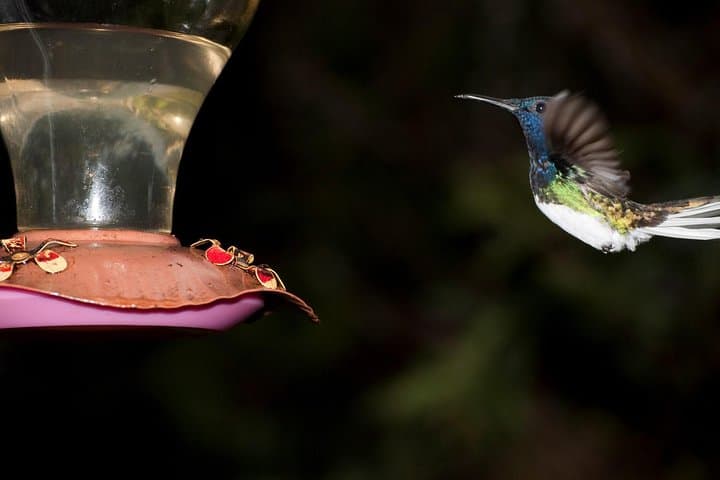
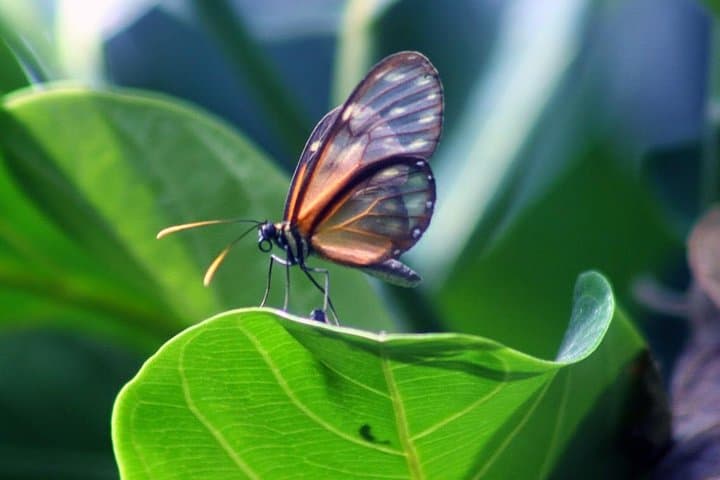
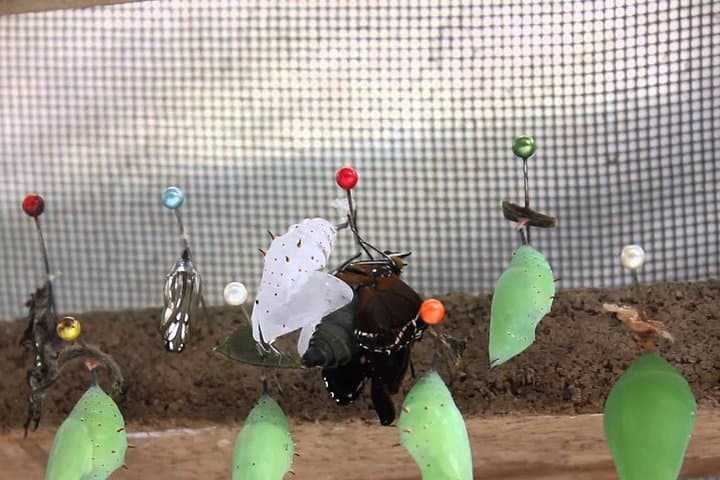
This full-day tour typically includes hotel pickup from Quito, about 2–2.5 hours on the road, a visit to a large butterfly farm (100+ species), and guided birding at nearby forest preserves. Expect close-up hummingbirds at feeders, noisy toucans and a palette of tanagers; butterflies often land on flowers or short grasses, the insect life as conspicuous as the birds.
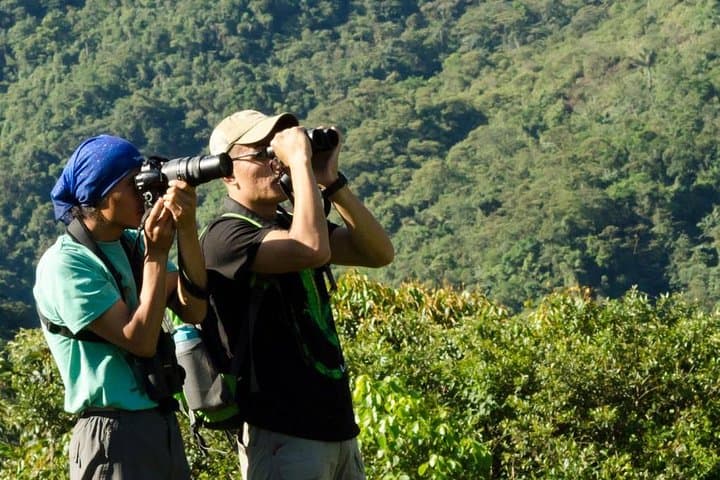
Plan for variable weather: the cloud forest can shift from bright sun to fine rain within minutes. Practicalities: bring binoculars and insect repellent, wear waterproof layers and grippy shoes for muddy paths, and reserve mornings for the best bird activity. The activity is rated easy physically but involves several hours of standing and short walks—suitable for most travelers but not recommended for those with serious spine, heart, or pregnancy restrictions. Supporting local guides and staying on marked trails helps protect this fragile montane ecosystem.
easy.
8 hours.
Suitable for most fitness levels; involves several short walks and standing during birding stops
The transfer typically takes about 2 to 2.5 hours each way depending on traffic and exact pickup location in Quito.
Binoculars are not usually provided—bring your own; some operators may have a limited supply to rent but plan to use your own optics for best results.
The tour involves short walks on uneven ground; it’s generally family-friendly but not ideal for travelers with serious mobility restrictions.
Typical inclusions are round-trip transfers from Quito, a guided visit to the butterfly farm, and guided birding stops; check the booking page for final details.
Mindo’s shift from subsistence agriculture to ecotourism accelerated in the late 20th century; BirdLife recognized the area’s birding importance in 1997, boosting conservation and community projects.
Support local guides and reserve fees—these fund habitat protection. Stick to marked paths, avoid single-use plastics and do not touch wildlife or cultivated butterflies.
BM TOURS SA operates guided outdoor trips and adventures with an emphasis on safety, stewardship, and memorable experiences.
Dawn breaks over the western slopes of the Ecuadorian Andes as a minibus threads down toward cloud forest—an orchestra of trills and wingbeats rising ahead. Travelers arrive in Mindo to the soft humidity of moss-draped trees and trails alive with hummingbirds that dart like bright punctuation.
Dawn breaks over the western slopes of the Ecuadorian Andes as a minibus threads down toward cloud forest—an orchestra of trills and wingbeats rising ahead. Travelers arrive in Mindo to the soft humidity of moss-draped trees and trails alive with hummingbirds that dart like bright punctuation.
The Mindo area sits on the eastern foothills of the Andes where steep geology and humid air create layered habitats: river-cut valleys, epiphyte-heavy forest, and smallholdings that have shifted from agriculture to ecotourism in recent decades. In 1997 BirdLife International recognized the region for its outstanding birdwatching value; today local guides steward trails, butterfly farms and small reserves that sustain both species and livelihoods.
This full-day tour typically includes hotel pickup from Quito, about 2–2.5 hours on the road, a visit to a large butterfly farm (100+ species), and guided birding at nearby forest preserves. Expect close-up hummingbirds at feeders, noisy toucans and a palette of tanagers; butterflies often land on flowers or short grasses, the insect life as conspicuous as the birds.
Plan for variable weather: the cloud forest can shift from bright sun to fine rain within minutes. Practicalities: bring binoculars and insect repellent, wear waterproof layers and grippy shoes for muddy paths, and reserve mornings for the best bird activity. The activity is rated easy physically but involves several hours of standing and short walks—suitable for most travelers but not recommended for those with serious spine, heart, or pregnancy restrictions. Supporting local guides and staying on marked trails helps protect this fragile montane ecosystem.